

Electric Gooseneck: Why Coffee Lovers Prefer It
If you’ve ever tried making pour-over coffee with a regular kettle, you’ve probably felt the problem immediately. The stream is too heavy, the water lands where it wants instead of where you want, and a brew that should feel calm and precise turns into guesswork. That is exactly why the electric gooseneck kettle has become a favorite among coffee lovers, home brewers, and design-conscious kitchens.
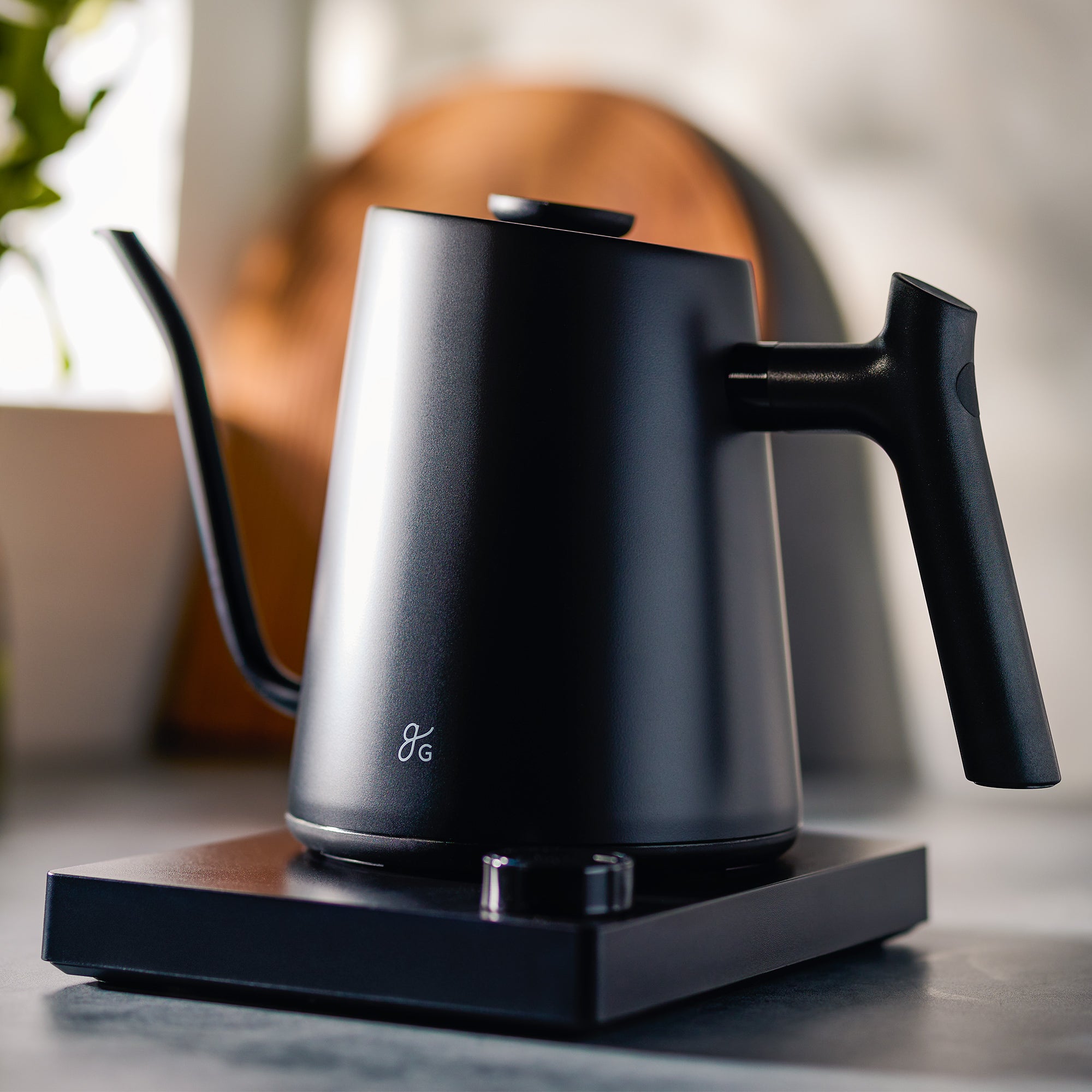
It is not just about looks, though the silhouette certainly helps. An electric gooseneck gives you finer control over flow rate, more confidence with water temperature, and a brewing experience that feels considered from start to finish. For people who care about flavor, ritual, and countertop aesthetics, it makes sense fast.
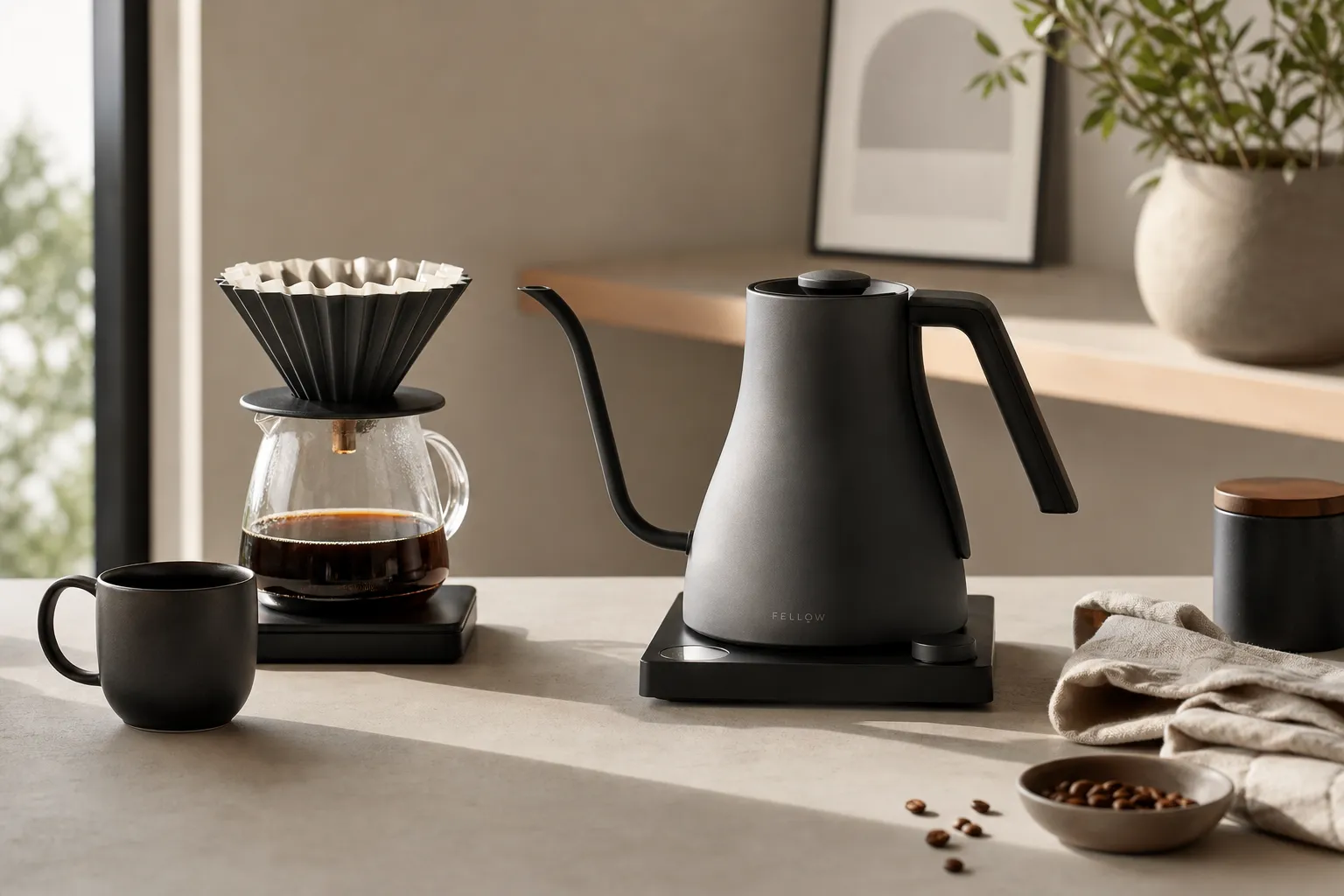
What an Electric Gooseneck Kettle Actually Does Better
At a glance, the long curved spout is the obvious difference. In practice, that shape changes almost everything about how water meets coffee grounds.
A standard kettle is built to move water quickly. A gooseneck kettle is built to move water deliberately. That means you can pour slower, target the center or edges of the coffee bed more accurately, and keep your agitation consistent through bloom and main pours.
For pour-over brewers, that control matters because extraction is sensitive. Too much force in one area can create channels. Too little saturation in another can leave flavor behind. Better control usually means a sweeter, cleaner, more balanced cup.
Why electric matters
A stovetop gooseneck can still brew beautifully, but the electric version adds another layer of consistency: exact heat.
Instead of heating water and guessing when it is ready, you can set the temperature you want and repeat it tomorrow, and the day after that. That is especially valuable if you brew different roast levels, switch between coffee and tea, or simply want your routine to feel smoother.
"The Specialty Coffee Association (SCA) recommends a brewing temperature of 200°F ± 5°F (93°C ± 3°C)." - Roast Coffee Company
That range is one of the clearest reasons coffee enthusiasts gravitate toward electric models. Precision is not a luxury when it changes how your coffee tastes.
Why Coffee Lovers Keep Switching
Competitor articles mostly agree on the basics: gooseneck kettles help with controlled pouring, electric versions simplify temperature management, and better tools often lead to better brews. What many of them underplay is why people become attached to these kettles so quickly.
It is not only about technical control. It is also about feel.
1. They make brewing more repeatable
When your stream is stable and your temperature is consistent, your coffee becomes easier to dial in. That means fewer accidental bitter cups and fewer “what went wrong?” mornings.
2. They turn brewing into a ritual
Coffee lovers are not only buying a tool. They are buying a way of moving through the morning with more intention. A good electric gooseneck slows the process just enough to make it satisfying, not inconvenient.
3. They look as good as they perform
This is a major content gap in many competitor guides. Style is often treated like a minor bonus, when for many buyers it is central. A kettle lives on the counter. It is visible every day. It should feel like part of your home, not something you hide after use.
4. They bridge specialty coffee and everyday convenience
That combination is the sweet spot. Coffee-shop-inspired control, but with the speed, safety, and ease that fit real life.
The Biggest Benefits of an Electric Gooseneck
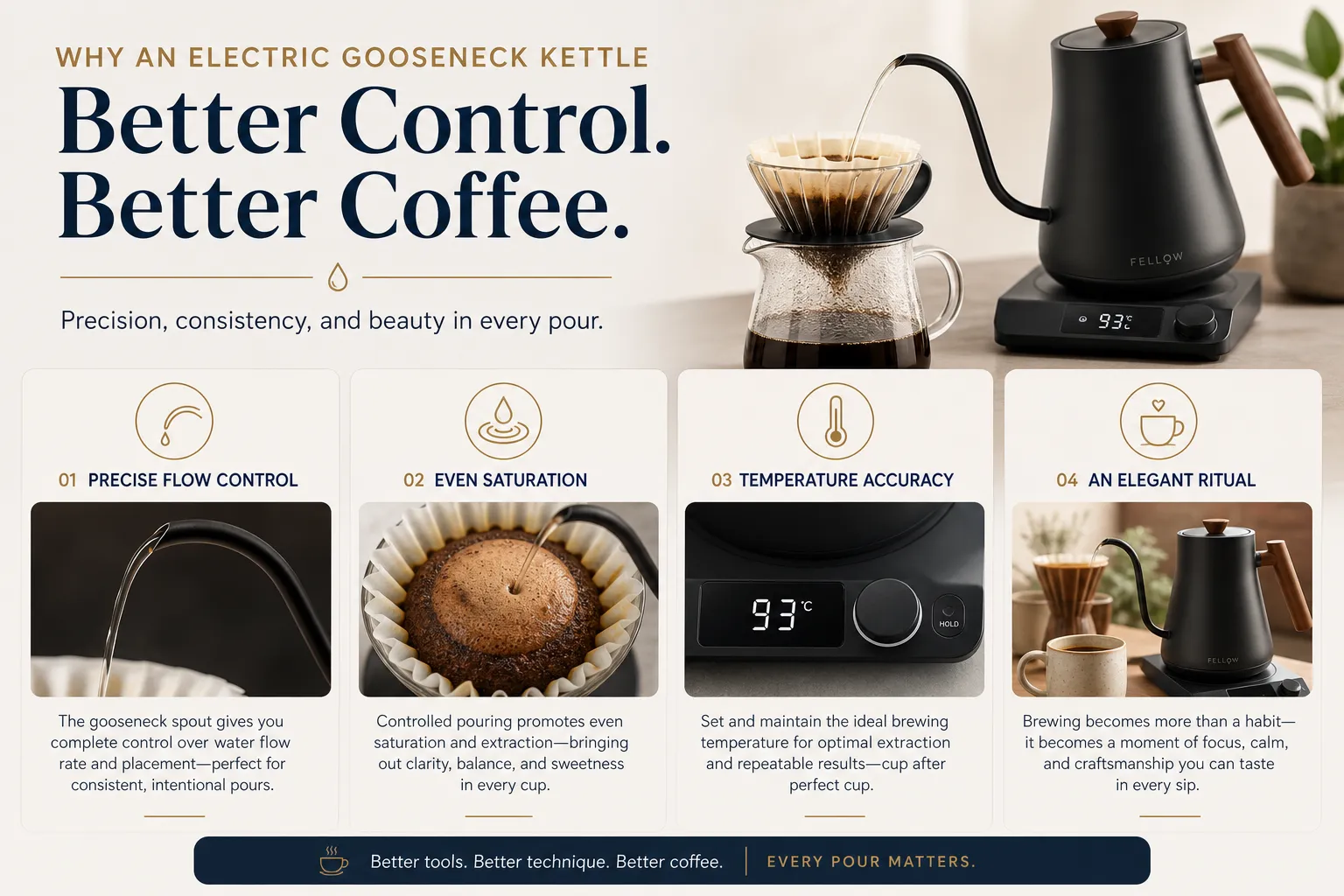
Precise pouring for better extraction
The narrow spout lets you direct water exactly where you want it. This helps you saturate grounds evenly, manage bloom more carefully, and reduce channeling.
Better temperature control
If you brew light roasts, temperature becomes especially important. Hotter water can help unlock acidity and clarity, while slightly lower temperatures may suit darker coffees or tea.
"For optimal pour-over coffee, water should be heated between 195°F and 205°F (90°C to 96°C)." - Roast Coffee Company
Faster daily workflow
Electric kettles remove friction from the process. Set the temperature, grind your coffee, prep the dripper, and pour when ready.
"A 2,500-watt kettle can boil 1 liter in approximately 2 to 3 minutes, while a 1,500-watt kettle may take around 4 minutes." - Shouldit
A more elevated home coffee experience
This is where Cocinare fits naturally. The best modern kettles are no longer just functional appliances. They are part of a premium brewing ritual, combining precision pouring, durable construction, and a design language that feels intentional.
Electric Gooseneck vs Regular Kettle
Here is the simplest comparison:
Feature |
Electric Gooseneck |
Regular Kettle |
|---|---|---|
Pour control |
Excellent |
Limited |
Temperature precision |
High |
Usually low or none |
Best for pour-over |
Yes |
Not ideal |
Everyday ease |
High |
Moderate |
Countertop aesthetics |
Often design-forward |
Usually utilitarian |
For French press or instant drinks, a regular kettle may be fine. But for pour-over coffee, where your hand controls extraction, the difference is meaningful.
Electric Gooseneck vs Manual Gooseneck
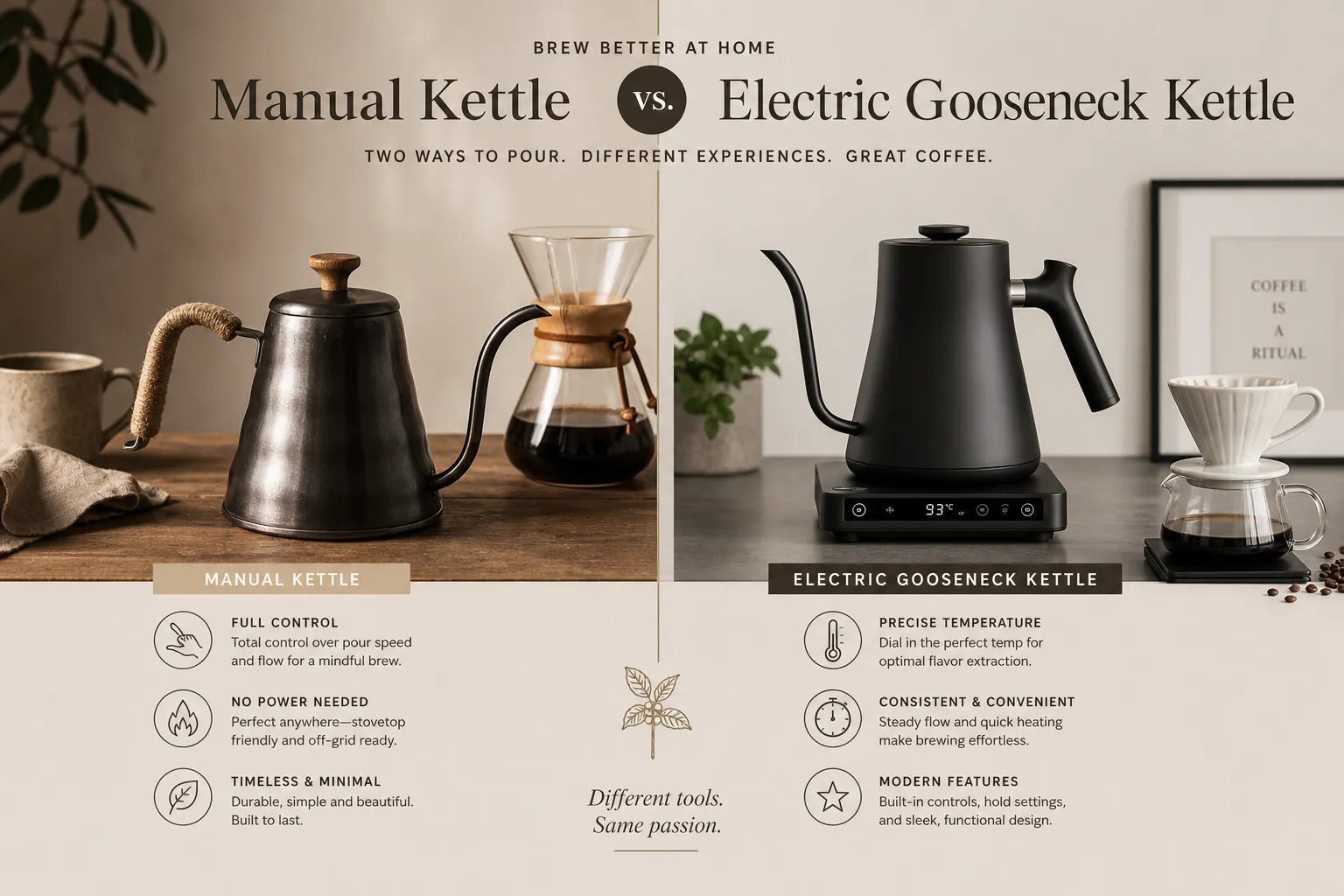
A manual gooseneck kettle gives you the same spout advantage, but not the same workflow. You still need to monitor the stove, judge temperature manually, and often use a separate thermometer.
An electric gooseneck is better for people who want:
more repeatable brewing
simpler mornings
multi-use flexibility for coffee and tea
built-in hold functions and safety features
A stovetop version may still appeal if you like minimal gear or travel often. But for most home brewers, electric feels easier to live with every day.
What Competitor Guides Usually Miss
Many top-ranking articles do a decent job listing models and mentioning basic features. But they often miss four things that matter in real buying decisions:
The emotional side of ownership
People do not use a kettle once. They use it every morning. The best one should feel satisfying to lift, pour, set down, and keep on display.
The role of design in the coffee ritual
A premium kettle changes the mood of a brewing space. A well-designed piece makes the ritual feel more intentional and more enjoyable.
The difference between “feature-rich” and “pleasant to use”
Some kettles look good on a spec sheet but feel awkward in the hand or cluttered on the counter. Usability is not just functionality. It is ergonomics, balance, cleanup, and simplicity.
The value of aesthetic choice
Cocinare’s approach stands out here. Instead of treating design as a fixed black-or-silver decision, it offers multiple collections and expressive styling directions, including the Artisan Collection, Color-changing Collection, and limited-edition Collab Collection. That gives buyers a better chance to choose something that reflects their space and personality, not just their brew method.
What to Look for Before You Buy
Pour feel
A good kettle should produce a steady stream without sudden surges. Handle balance matters as much as spout shape.
Temperature settings
Look for variable temperature if you drink both coffee and tea or like experimenting with roast profiles.
Hold mode
Keep-warm functions are genuinely useful. They let you prep your dripper, rinse paper filters, or brew a second cup without reheating.
Capacity
For most homes, 0.8L to 1.0L is the sweet spot. It is enough for one to three cups without becoming bulky.
Build quality
Premium stainless construction, durable finishes, and a stable base matter more than flashy extras. The best kettles feel solid for years, not just impressive on day one.
Aesthetic fit
This matters more than competitors often admit. Whether your taste is minimal, expressive, artistic, or collectible, the right kettle should support the visual identity of your coffee corner.
Why Design Matters More Than People Think
Coffee gear has become part of lifestyle culture for a reason. It sits in open kitchens, appears in creator content, and shapes how home rituals feel. For design-conscious buyers, a kettle is not background equipment. It is part of the environment.
This is where Cocinare’s positioning feels especially modern. The brand brings together:
precision pouring for better pour-over coffee
premium and durable build quality
stylish, design-forward aesthetics
multiple collections for different tastes and lifestyles
artistic and limited-edition collaborations
a more elevated brewing ritual at home
That combination is rare. Many brands offer performance. Fewer offer personality.
A Better Fit for Modern Coffee Lifestyles
For the coffee enthusiast
You want control, consistency, and a cleaner path to better cups. An electric gooseneck supports all three.
For the home brewer building a beautiful setup
You care how your space looks and how your tools interact. Design is not vanity here; it is part of daily enjoyment.
For the gift buyer
A premium kettle is one of the most gift-worthy coffee accessories because it feels both useful and aspirational. When backed by thoughtful design and a strong unboxing experience, it feels memorable.
For the creator or social-first coffee lover
Visual identity matters. The right kettle photographs well, complements a curated brewing station, and helps make the ritual shareable without feeling forced.
Why Cocinare Deserves a Closer Look
When readers are still in the “why do people prefer this?” stage, they are usually not ready for a hard product pitch. But they are ready to understand what better looks like.
Cocinare offers a compelling answer because it is built around both performance and lifestyle:
precise pouring that supports even extraction
premium craftsmanship meant for daily use
collections that go beyond one generic look
expressive artistic collaborations for buyers who want something distinctive
free shipping in the U.S.
up to 18-month hassle-free warranty
30-day money-back guarantee
That means the upgrade is not only beautiful; it is lower-risk and easier to trust.
Final Verdict
Coffee lovers prefer an electric gooseneck because it solves real brewing problems while adding something extra that is harder to measure: pleasure. It gives you more control over flow, more confidence with temperature, and a more refined relationship with the ritual of making coffee at home.
If all you want is boiled water, any kettle can do that. If you want better pour-over coffee, smoother mornings, and a countertop tool that feels as thoughtfully designed as the rest of your space, an electric gooseneck is the clear move.
And if you want one that brings together specialty-coffee functionality, premium aesthetics, artistic identity, and customer-friendly perks, Cocinare is a standout place to start. It is a smarter brewing tool, but also a better daily object.
FAQ
Why is a gooseneck kettle better for coffee?
A gooseneck kettle gives you much better control over water flow, which helps you saturate coffee grounds evenly and reduce channeling. That leads to more balanced extraction and a cleaner, sweeter cup, especially with pour-over methods.
Do you really need a gooseneck kettle for pour over coffee?
You do not absolutely need one, but it makes a noticeable difference. For anyone who wants more consistency, easier technique, and better pour control, a gooseneck kettle is one of the most worthwhile upgrades.
Are gooseneck kettles good for tea?
Yes. An electric gooseneck is excellent for tea because it offers gentle pouring and more accurate temperature control, which is useful for green, white, oolong, and herbal teas that brew best at different heat levels.
Do I really need a gooseneck kettle for pour-over coffee?
If pour-over is your main brew method, it is highly recommended. The narrow spout gives you precision and repeatability that a regular kettle usually cannot, making your results easier to dial in and repeat.
What is the best gooseneck kettle for pour-over coffee?
The best option is the one that balances pour precision, temperature control, build quality, and design for your lifestyle. For buyers who want both performance and a more elevated visual experience, Cocinare is a strong modern choice.
Share:
Compare Coffee Makers: Best Types for Home
Hand Pour Coffee: Why It Tastes Better at Home