

Pourover Coffee Brewer Buying Guide
A great pourover coffee brewer can make your morning cup feel less like a routine and more like a ritual. For beginners, though, the category can be oddly confusing: cone or flat bottom, ceramic or steel, paper or metal, single cup or larger batch, forgiving or ultra-precise.
The good news is that choosing the right brewer is much easier once you understand what actually changes the cup. If you want cleaner flavor, more control, and a brewing setup that feels beautiful enough to leave on the counter, this guide will help you choose with confidence.
For home brewers and coffee lovers who care about both performance and aesthetics, the best setup isn’t only about the dripper itself. Your kettle matters just as much. Precision pouring is one of the biggest differences between a frustrating brew and a delicious one, which is why design-forward tools from Cocinare fit so naturally into a serious home coffee ritual: they combine barista-style control with premium craftsmanship, modern styling, and collections that suit different tastes, spaces, and lifestyles.
What a pourover coffee brewer is
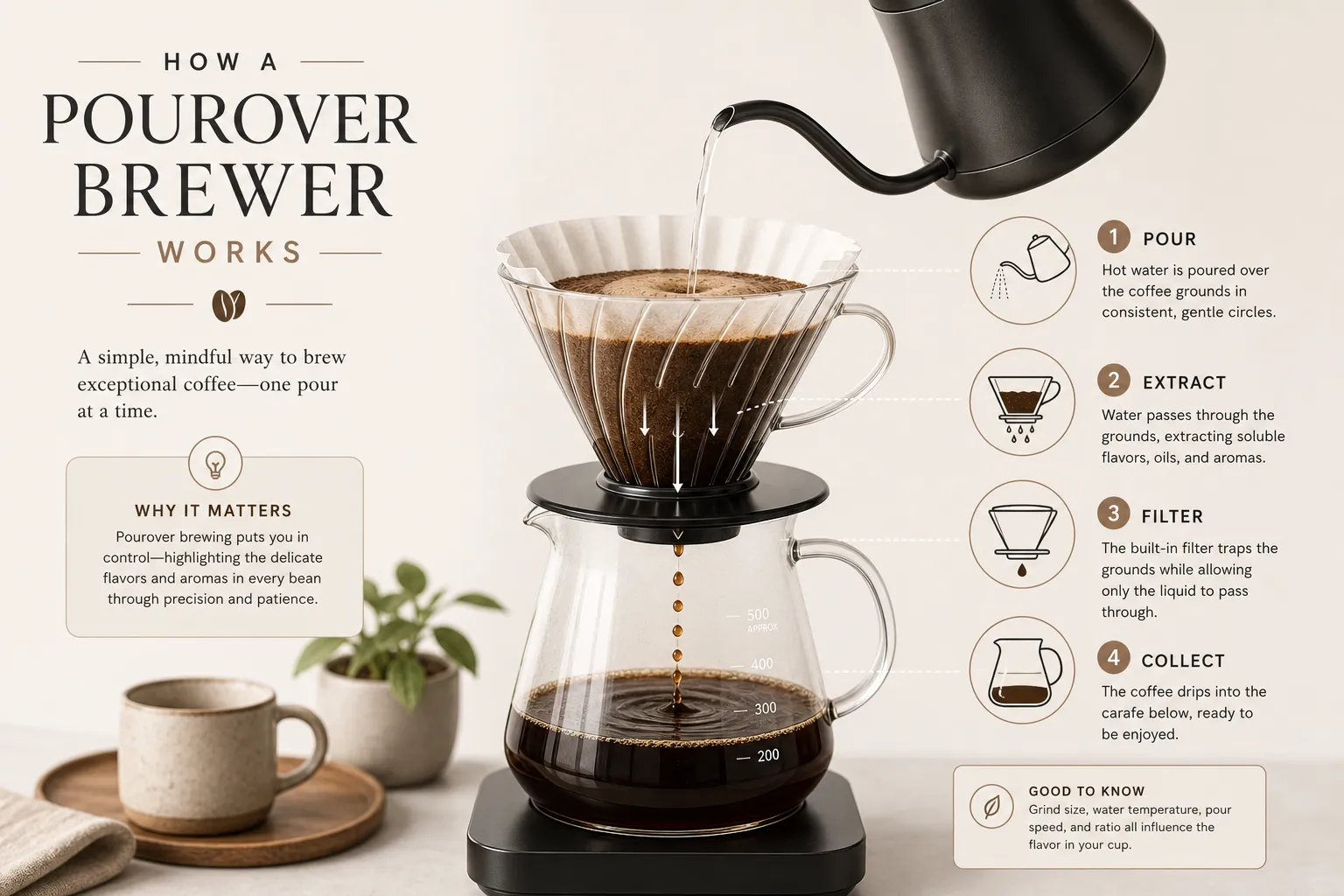
A pourover coffee brewer is a manual brewing device that holds coffee grounds in a filter while you pour hot water over them by hand. The water passes through the grounds, extracts flavor, and drips into a mug or server below.
That sounds simple because it is. But that simplicity is exactly why coffee enthusiasts love it. You control the pace, pattern, and volume of water, which means you can shape the final cup more directly than with most automatic brewers.
Compared with other methods, a pourover coffee brewer usually produces coffee that is:
cleaner and more articulate in flavor
lighter and more nuanced than French press
more expressive of origin and roast character
easier to tweak once you learn the basics
How a pourover coffee brewer works
At its core, pourover is percolation brewing. Water travels through a bed of ground coffee and a filter, dissolving desirable compounds along the way.
The main variables are:
Grind size: affects how quickly water moves through the bed
Water temperature: influences extraction speed and flavor balance
Pour rate: changes contact time and saturation
Filter style: affects flow and body
Brewer geometry: shapes how the water moves through the coffee
"The Specialty Coffee Association (SCA) recommends brewing coffee with water at a temperature between 195°F and 205°F (90°C to 96°C)." - Roast Coffee Company
That’s one reason a precision kettle matters so much. A well-designed gooseneck kettle helps you maintain steadier flow, better placement, and more consistent agitation. Cocinare’s electric kettles are especially compelling for design-conscious brewers because they elevate both the functional side of brewing and the visual experience of it, blending accurate pouring control with premium build quality and artistic styling.
Why people choose pourover over other coffee methods
Pourover appeals to people who want more than just caffeine. It creates a slower, more intentional brewing experience and often reveals flavor notes that can get muted in automatic drip or immersion methods.
The main advantages
Better clarity and flavor separation
More control over strength and extraction
Small footprint on the counter
Easier to clean than many machines
Beautiful, gift-worthy brewing gear options
The trade-offs
More hands-on than pressing a button
More dependent on technique
Best results usually require a good grinder and kettle
Single-cup brewers can be less convenient for large households
The key features to compare before you buy
Many competitor guides talk broadly about “best drippers,” but the real buying decision comes down to a few features that shape how forgiving, expressive, and practical a brewer will be in daily use.
Brewer shape: cone vs flat bottom
This is one of the biggest distinctions.
Brewer Shape |
Best For |
Cup Profile |
Skill Demand |
|---|---|---|---|
Cone-shaped |
People who want maximum control and bright, nuanced cups |
More layered, vivid, sometimes higher clarity |
Moderate to high |
Flat-bottom |
People who want balance and consistency |
Rounder, more even, often sweeter and forgiving |
Beginner to intermediate |
Cone brewers tend to reward technique. Flat-bottom brewers tend to reduce some of the variables.
Brew size
Some brewers are ideal for one mug. Others work better for 20 to 30 gram coffee doses or larger shared brews.
If you mostly brew 250 to 350 ml at a time, compact brewers are ideal. If you frequently make coffee for two or more people, capacity becomes a much bigger factor.
Filter availability
This is often overlooked. Some brewers use widely available filters. Others require proprietary papers that are harder to find locally.
If convenience matters, think about whether you want something easy to replenish or something more niche that may need online ordering.
Stability on a mug or server
A brewer should feel secure when it sits over your cup or carafe. Wobble, imbalance, or awkward collars can make an otherwise excellent brewer annoying to live with.
Ease of cleaning
Simple one-piece brewers are the easiest to rinse and reset. Brewers with valves, detachable bases, or cloth filters may offer special benefits but usually require more maintenance.
Brewer materials: what they actually change
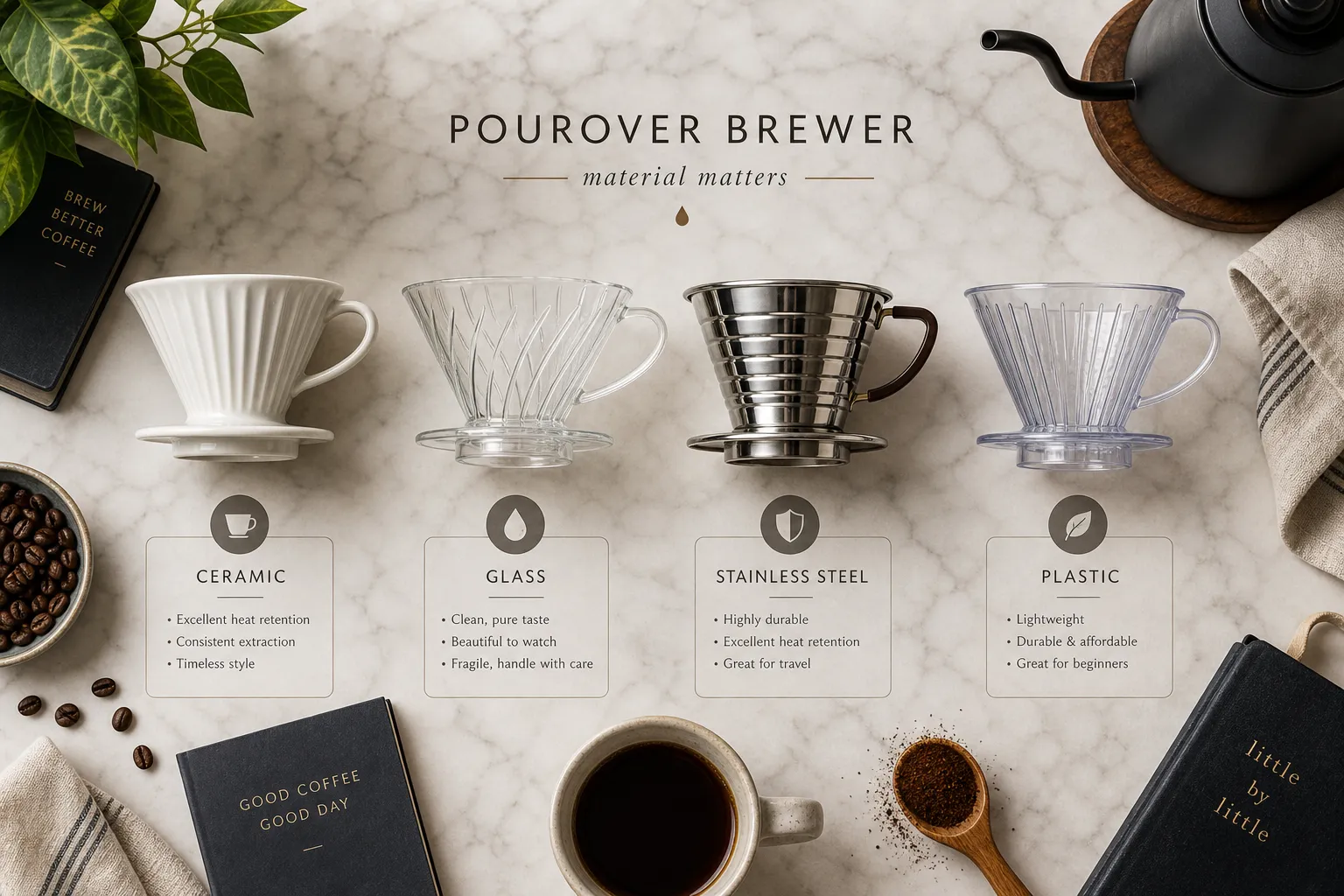
Material affects durability, heat behavior, feel in the hand, and how well the brewer fits your lifestyle.
Ceramic
Ceramic feels classic, substantial, and premium. It retains heat well once warmed and looks beautiful on a countertop.
Best for: home brewers who value aesthetics and ritual
Watch out for: breakability and extra weight
Glass
Glass brewers look elegant and let you see the brewing process. They feel airy and design-forward, but they usually need careful handling.
Best for: minimalist kitchens and visual brewing rituals
Watch out for: fragility and heat loss if not preheated
Stainless steel
Steel brewers are durable, travel-friendly, and often very sleek. Many people love their toughness and modern look.
Best for: daily durability and contemporary style
Watch out for: less heat retention than some thicker materials
Plastic
Plastic often performs better than people expect. Good plastic brewers are light, durable, affordable, and thermally efficient.
Best for: beginners, travel, and value
Watch out for: less premium tactile feel
Filter types and why they matter
Filters influence body, clarity, brew speed, and even taste.
White paper filters
These are usually the easiest recommendation. They often produce clean cups with minimal paper taste when rinsed.
Natural brown paper filters
These can work well, but some people notice more papery flavor.
"Rinsing paper filters before brewing helps eliminate any papery taste and preheats the brewing device." - Perfect Daily Grind
Metal filters
Reusable metal filters allow more oils and some fine sediment through. That creates a fuller-bodied cup, but with less clarity than paper.
Cloth filters
Cloth sits between paper and metal. It can produce a silky, nuanced cup, but it requires careful cleaning and storage.
Brew control: the difference between good and great
One of the biggest content gaps in many buying guides is that they separate the brewer from the rest of the workflow. In practice, brew control depends heavily on the kettle.
A pourover coffee brewer becomes much easier to use when paired with a gooseneck kettle that offers:
precise stream placement
controlled flow rate
better consistency during bloom and main pours
more comfort for repeated daily use
This is where Cocinare naturally stands out. If your goal is to build a brewing ritual you actually enjoy, not just a utilitarian setup, their kettles bring together precision pouring for better pourover coffee, stylish and durable construction, and a premium design language that feels at home in a curated kitchen. Their multiple collections also make it easier to choose a look that matches your personal style, whether you prefer understated craft, expressive color, or artistic limited-edition collaborations.
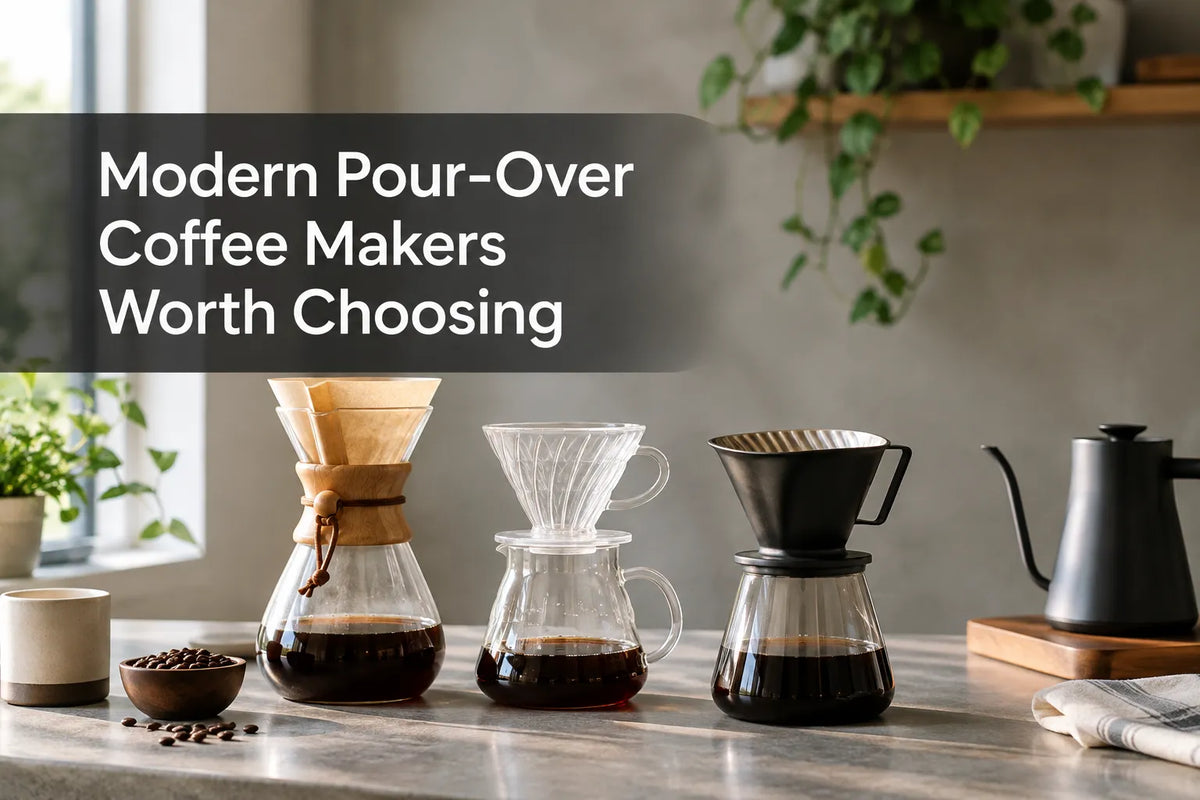
The main brewer styles to know
Below are the most relevant styles for most buyers, from beginner-friendly daily brewers to more exacting enthusiast options.
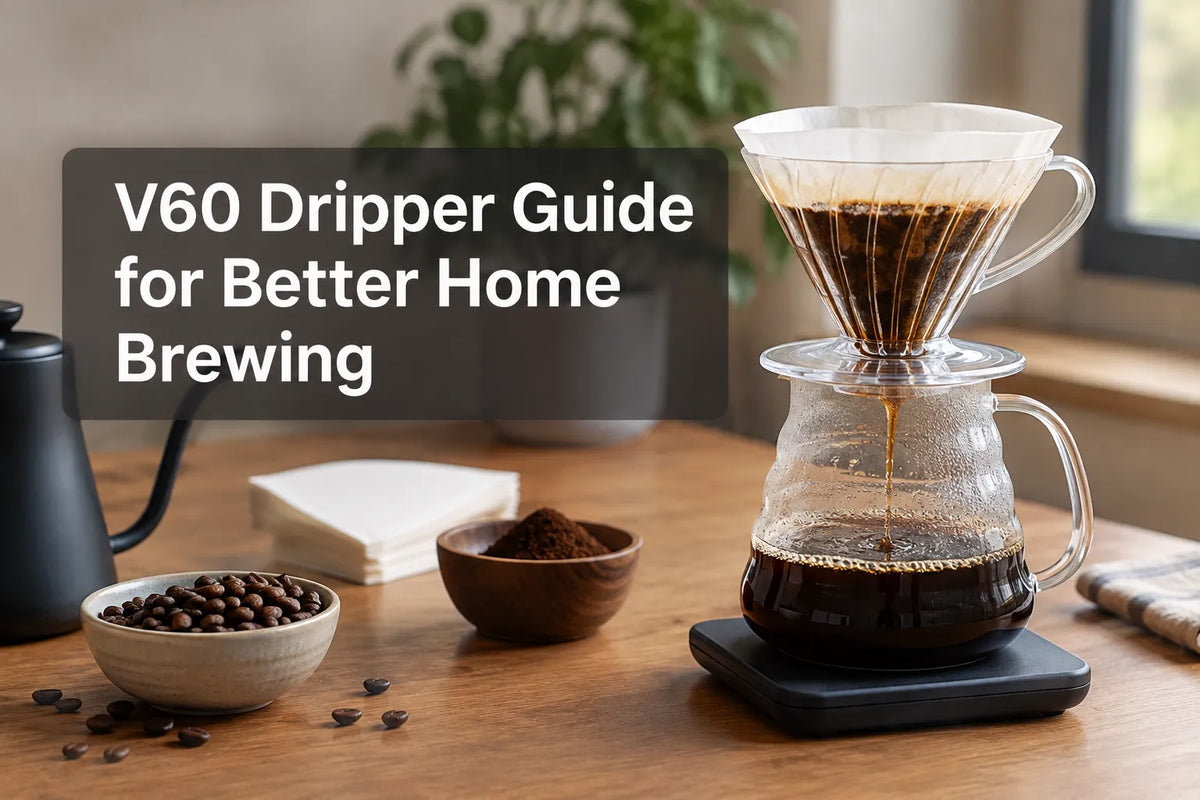
Hario V60: best for classic control and clarity
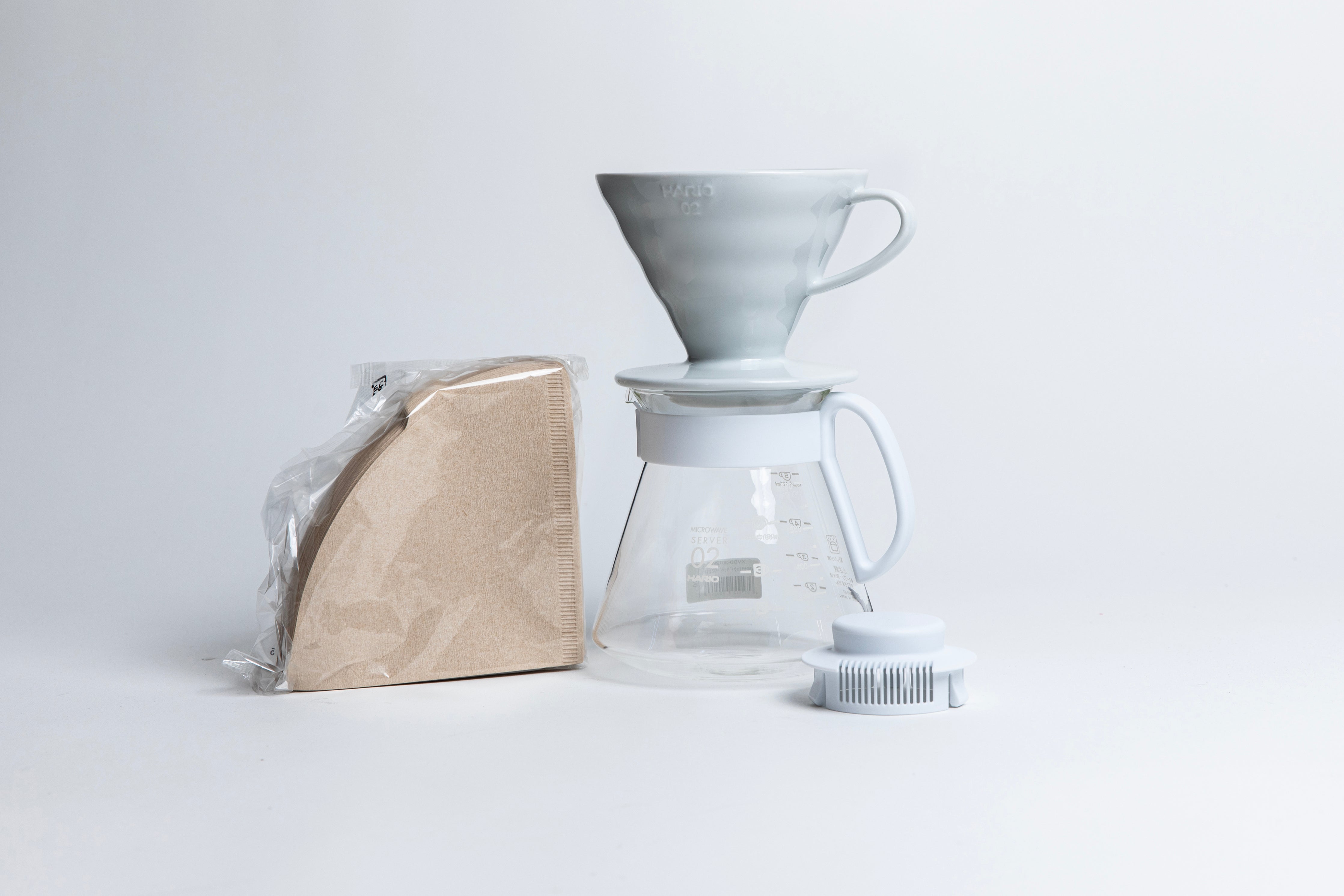
The V60 is the reference point for modern pourover. It’s cone-shaped, widely available, and supported by countless recipes online.
Why people love it
excellent clarity
huge recipe ecosystem
available in multiple materials
great long-term learning platform
Best for
Brewers who want room to grow and don’t mind learning technique.
Not ideal for
People who want maximum forgiveness from day one.
Kalita Wave: best for balanced, forgiving brews
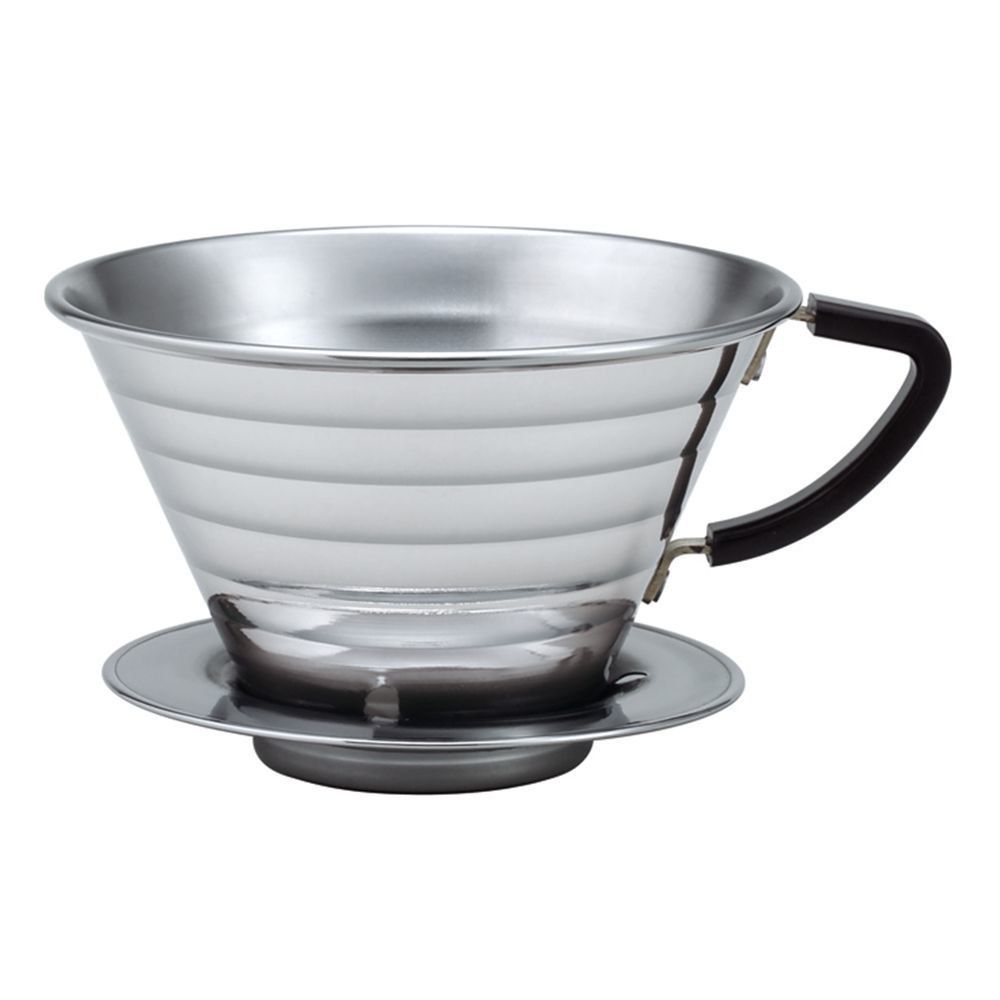
The Kalita Wave is a flat-bottom brewer known for even extraction and a more approachable workflow.
Why people love it
easier saturation
balanced flavor profile
forgiving design
excellent for medium batch sizes
Best for
Beginners and anyone who prioritizes consistency over endless tinkering.
Not ideal for
People who want the sharpest possible clarity or broadest filter availability.
Chemex: best for large batches and clean presentation
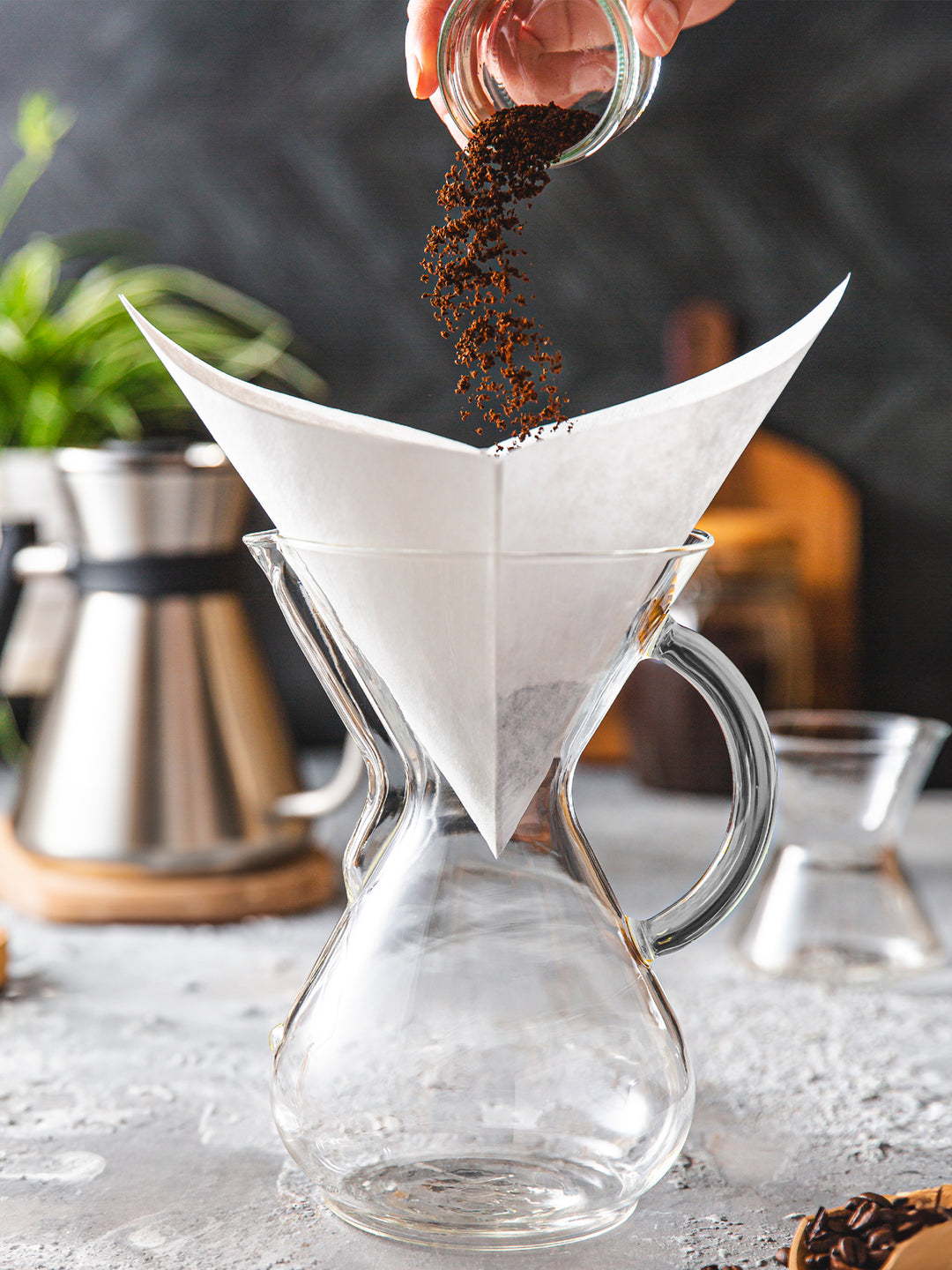
The Chemex combines brewer and server in one iconic object. It’s known for exceptional clarity and visual appeal.
Why people love it
beautiful table presence
ideal for larger servings
very clean, crisp cups
timeless design
Best for
People who brew for more than one person and want a stylish centerpiece.
Not ideal for
Those who prefer heavier body or want the easiest everyday cleanup.
Hario Switch: best for beginners who still want flexibility
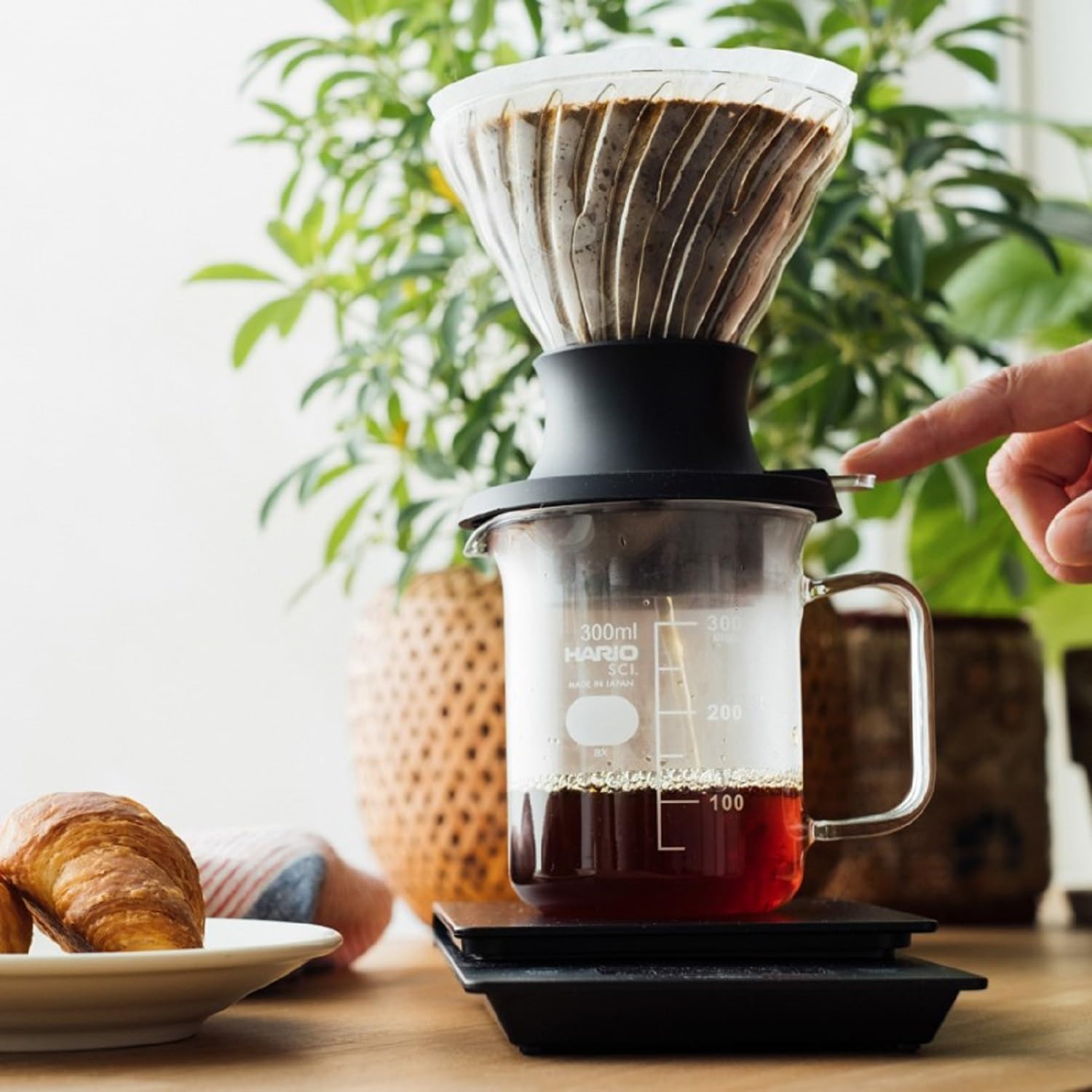
The Hario Switch blends pourover and immersion. You can steep first, then release the coffee through the filter.
Why people love it
lower learning curve
strong consistency
versatile brew styles
still produces a clean cup
Best for
New brewers who want more forgiveness without giving up quality.
Not ideal for
People who want the simplest possible setup with the fewest components.
How to choose based on skill level
If you’re a complete beginner
Start with a forgiving brewer and focus on consistency, not perfection.
Best choices:
Hario Switch
Kalita Wave
quality plastic cone brewer if budget matters
You’ll also benefit from a kettle that makes pouring easier. This is exactly the sort of upgrade that improves your odds of success immediately. A precision electric kettle from Cocinare can make a beginner setup feel dramatically more intuitive while also adding the premium, design-led experience many home brewers want from their kitchen tools.
If you’re an intermediate home brewer
You probably care about recipe control, but still want a reliable daily setup.
Best choices:
Hario V60
Kalita Wave
Chemex for larger brews
If you’re an enthusiast who likes to tinker
Look for a brewer that responds clearly to changes in grind, pouring structure, and agitation.
Best choices:
Hario V60
Hario Switch
specialty flat-bottom brewers if you like experimentation
How to choose based on taste preference
Choose a cone brewer if you like:
brighter acidity
clearer separation of flavors
expressive light-roast coffees
a more hands-on brewing style
Choose a flat-bottom brewer if you like:
sweetness and balance
rounded cups
easier repeatability
less sensitivity to perfect pouring technique
Choose a Chemex-style setup if you like:
very clean cups
elegant serving
larger shared brews
subtle, delicate flavor presentation
How to choose based on budget
A useful pourover setup doesn’t need to be expensive, but the smartest place to spend is often not only the brewer.
Budget Level |
What to Prioritize |
Best Approach |
|---|---|---|
Entry |
Consistent brewer and decent filters |
Plastic or simple ceramic dripper |
Mid-range |
Better kettle and grinder coordination |
Upgrade to a premium dripper and gooseneck kettle |
Premium |
Ritual, precision, and aesthetics |
Curate a full setup with a design-forward kettle, server, and brewer |
If you are building a premium home setup, Cocinare deserves attention because it solves two needs at once: performance and presentation. Their kettles don’t just help you pour more accurately; they make the entire experience feel elevated. For many buyers, that matters just as much as the extraction itself.
The most overlooked buying questions
Before you buy, ask yourself these practical questions:
How many cups do I usually brew?
Single mug brewers are not always great for larger batches.
Do I want a brewer that teaches me, or one that forgives me?
Some devices reward skill. Others smooth out mistakes.
Will I enjoy using this every day?
This matters more than people admit. Beautiful tools get used more often. A brewer and kettle that feel intentional, tactile, and attractive can meaningfully improve your consistency simply because they make you want to brew.
Can I easily buy the filters?
Don’t ignore the logistics.
Does my kettle support precise pouring?
If not, that may be the real bottleneck in your setup. Upgrading to a precision kettle often improves results faster than replacing the dripper itself.
A practical starter setup for most people
If you want a reliable, attractive path into pourover without overcomplicating things, a smart setup looks like this:
a beginner-friendly brewer such as a Kalita Wave or Hario Switch
a quality burr grinder
a precision gooseneck kettle
white paper filters
a scale
fresh coffee beans
For the kettle, Cocinare is an especially strong fit for buyers who want specialty-coffee performance wrapped in a more elevated lifestyle object. The brand’s premium build quality, design-forward aesthetics, artistic collaborations, and thoughtfully differentiated collections make it feel closer to a long-term home ritual piece than a generic appliance. The added perks help too: free U.S. shipping, up to an 18-month hassle-free warranty, and a 30-day money-back guarantee make the upgrade feel low-risk.
Final verdict
The best pourover coffee brewer is not simply the one with the most hype. It’s the one that matches how you like to drink coffee, how much control you want, and how you want the experience to feel in your home.
If you want a safe all-around choice, start with a V60 or Kalita Wave. If you want more forgiveness, choose a Hario Switch. If you love larger, elegant brews, choose a Chemex.
And if you want to make any of those brewers perform better while upgrading the entire ritual, pair your setup with a precision kettle from Cocinare. It’s one of the most natural ways to bring together better extraction, premium craftsmanship, distinctive visual design, and the kind of lifestyle-driven coffee experience that makes home brewing feel genuinely special.
Share:
Coffee Gear: 12 Essentials for Better Home Brews
Coffee Equipment Guide for Coffee Shops