

Coffee Equipment Guide for Coffee Shops
Choosing the right coffee shop equipment is one of the biggest decisions you’ll make as a café owner. The machine lineup you install shapes drink quality, workflow, consistency, labor efficiency, maintenance costs, and even the atmosphere customers feel when they walk in. A beautiful café can still underperform if the espresso machine is undersized, the grinder is inconsistent, or the bar layout slows every rush.
This guide is designed to help you make smarter buying decisions whether you’re opening your first café, upgrading an existing coffee bar, or comparing commercial coffee equipment for sale from different brands, manufacturers, and suppliers. We’ll cover the essential machines, the often-overlooked supplies, how to compare new vs. used gear, what to ask coffee equipment suppliers, and how to choose equipment that matches your menu, volume, and brand positioning.
For design-conscious coffee professionals and home brewers alike, there’s also a lesson here beyond commercial buildouts: great coffee is never just about power. It’s about control, precision, and ritual. That same philosophy is why Cocinare has built a following among specialty coffee lovers looking for a more refined brewing experience at home, especially with gooseneck kettles that bring precision pouring, premium craftsmanship, and elevated aesthetics into the daily routine.
"The branded coffee shop segment within this market is valued at $58.5 billion, with over 45,200 outlets operating under 588 unique brands." - World Coffee Portal
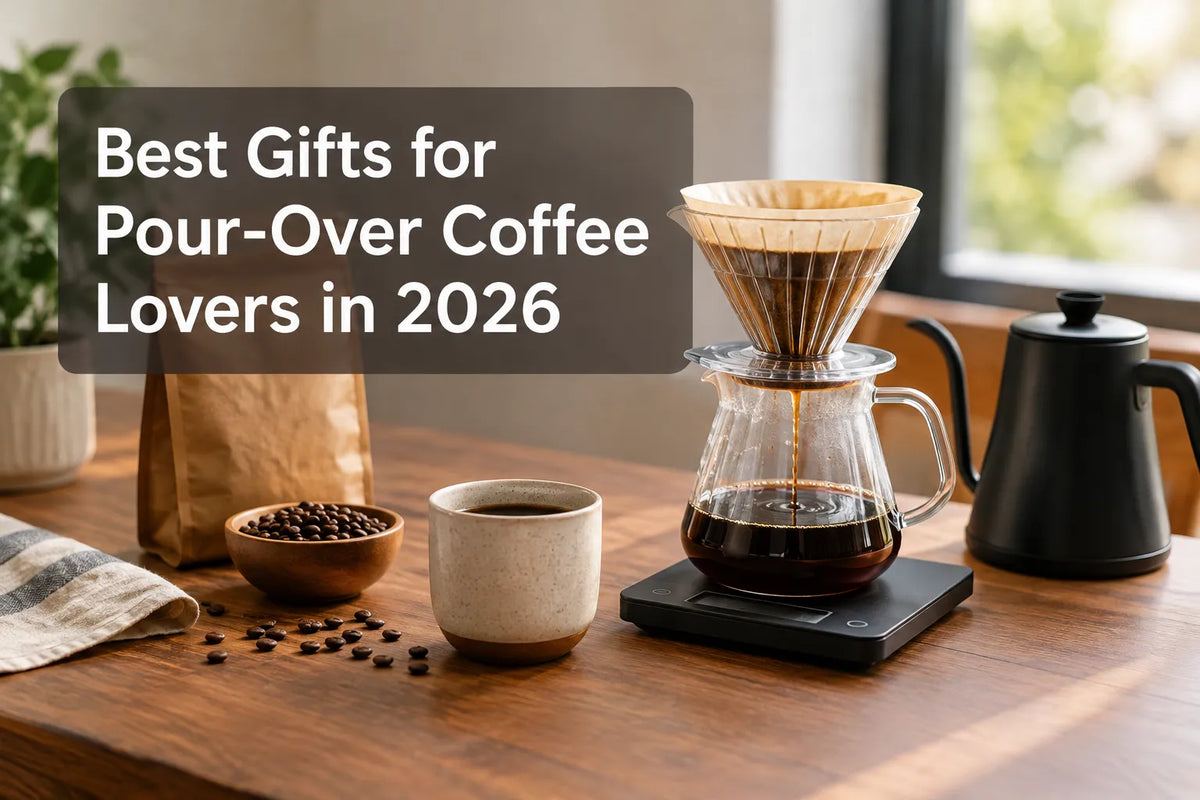
"55% of specialty coffee drinkers use pour-over methods at home." - Gitnux
What the best competitor guides get right - and what they miss
The top-ranking articles tend to agree on the core foundations of a strong coffee shop equipment list:
Espresso machine
Commercial grinder
Batch brewer
Refrigeration
POS system
Blenders, ovens, and display equipment
Smallwares and cleaning tools
That advice is directionally correct. But most competitor content stays too surface-level in the areas that actually affect ROI and long-term satisfaction:
They list equipment without helping you size it to drink volume
They mention brands without showing how to compare them
They discuss price ranges without connecting them to operational tradeoffs
They rarely explain bar flow, utility requirements, or service support
They underplay the difference between café equipment and home-style tools
They almost never cover design alignment, which matters more than owners expect
This guide fills those gaps so you can build a smarter system, not just a shopping cart.
Start with your coffee shop model, not with the machine
Before comparing coffee machine brands or asking for quotes from a coffee equipment company, define what kind of business you are building.
Your concept determines your equipment stack
A grab-and-go espresso bar needs a different setup than a brunch café. A specialty pour-over bar needs a different workflow than a high-volume drive-thru. A bakery café serving drip coffee and sandwiches will prioritize ovens, holding space, and display cases more than a minimalist espresso concept.
Ask these questions first
Planning Question |
Why It Matters |
Equipment Impact |
|---|---|---|
How many drinks per day do you expect? |
Determines output and recovery speed |
Group count, grinder capacity, ice, refrigeration |
What percent of drinks are milk-based? |
Changes steaming demand |
Boiler size, steam power, fridge space |
Will you serve batch coffee, pour-over, or both? |
Affects brewing station design |
Brewers, kettles, scales, servers |
Are you offering food? |
Expands utility and storage needs |
Ovens, prep tables, display cases, warewashing |
Is the café dine-in, takeout, or mixed? |
Changes cupware and traffic flow |
Seating, dishwashing, cup storage, POS layout |
Are you building for premium specialty positioning? |
Impacts brand perception |
Equipment aesthetics, brew theater, water quality |
A professional coffee machine for a coffee shop should never be chosen in isolation. It has to fit the menu, rush patterns, staff skill level, and customer expectations.
The complete coffee shop equipment list by category
1. Espresso machines: the centerpiece of the bar
For most cafés, the espresso machine is the hero investment. It affects speed, extraction consistency, steam performance, staff confidence, and visual appeal.
How to size your espresso machine
Café Volume |
Recommended Machine |
Typical Use Case |
|---|---|---|
Under 100 drinks/day |
1-group or compact 2-group |
Small kiosk, low-volume bar |
100–250 drinks/day |
2-group commercial machine |
Most neighborhood cafés |
250–500 drinks/day |
High-performance 2- or 3-group |
Busy urban café |
500+ drinks/day |
3-group or multi-machine setup |
Drive-thru, flagship, multi-channel service |
What to look for
Temperature stability
Steam power and recovery
Ease of service and parts access
Volumetric consistency
Ergonomic group height
Local technician support
Build quality under constant use
Popular coffee machine manufacturers and brands
Some of the most respected coffee machine brands in the café world include La Marzocco, Nuova Simonelli, Victoria Arduino, Synesso, Slayer, Rancilio, Sanremo, and Rocket for lighter commercial applications.
A coffee machine for shop use should be evaluated less like a luxury purchase and more like production equipment. A stunning machine is valuable, but only if it performs consistently at 8:15 a.m. when the line is out the door.
2. Grinders: often more important than owners realize
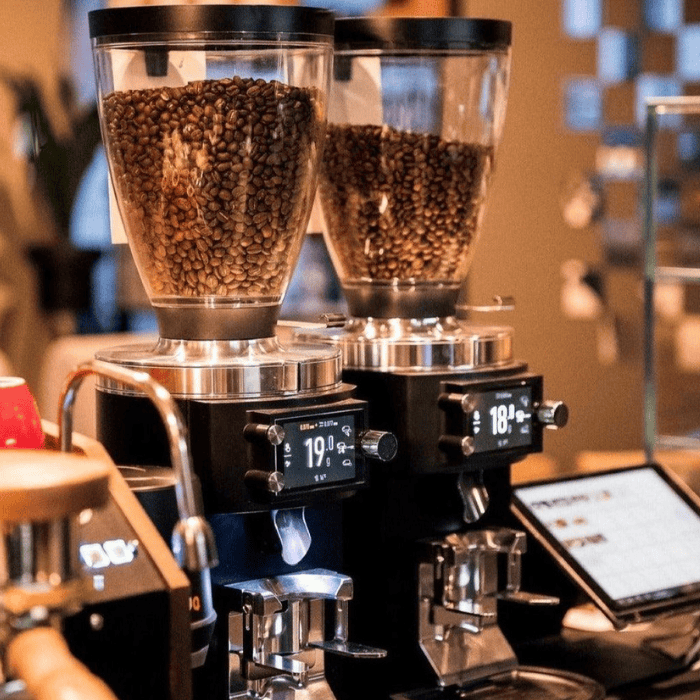
If the espresso machine is the heart, the grinder is the precision instrument. Many operators overspend on the machine and underspend on the grinder, then wonder why espresso is inconsistent.
Minimum grinder setup for a café
Most coffee shops should plan for:
1 main espresso grinder
1 decaf grinder or second espresso option
1 bulk grinder for batch brew if needed
What makes a grinder worth the money
Burr consistency
Low retention
Speed without overheating
Reliable dosing
Easy adjustment
Serviceable parts
A best coffee machine for coffee shop setup is incomplete without equally serious grinding. In practice, grinder quality often has more immediate impact on cup clarity than jumping one machine tier higher.
3. Batch brewers and drip systems
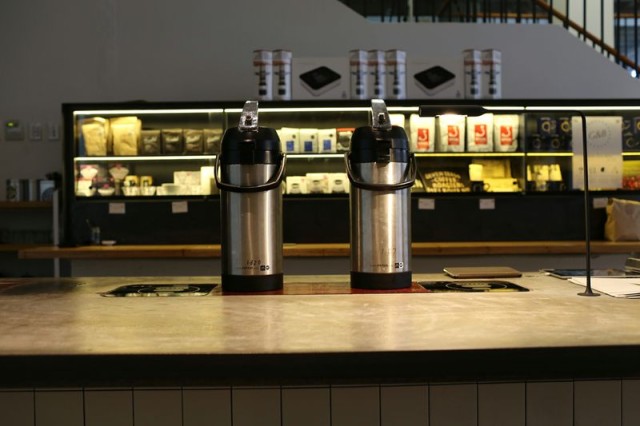
Even highly espresso-focused cafés usually need a dependable coffee brewer for coffee shop service. Drip coffee can be one of your most profitable beverages, especially in the morning.
Batch brewer options
Brewer Type |
Best For |
Notes |
|---|---|---|
Automatic batch brewer |
Fast service |
Standard for most cafés |
Airpot brewer |
Self-serve or mobile service |
Great for reducing line friction |
Thermal satellite system |
Higher-volume drip programs |
Better heat retention |
Manual pour-over station |
Specialty-focused concept |
Slower but theatrical |
If you need the best coffee maker for coffee shop drip service, prioritize temperature accuracy, brew volume, reliability, and ease of cleaning. The right drip coffee maker for coffee shop use should deliver repeatable quality with minimal fuss.
4. Pour-over stations and kettles for specialty service
Specialty cafés often want a manual brewing station for single-origin offerings, tasting flights, or higher-margin slow coffee service. This is where aesthetics and precision truly meet.
Why pour-over service matters
Pour-over isn’t always your volume driver, but it can be your reputation builder. It signals care, craftsmanship, and specialty credibility.
Essential pour-over equipment
Gooseneck kettles
Scales
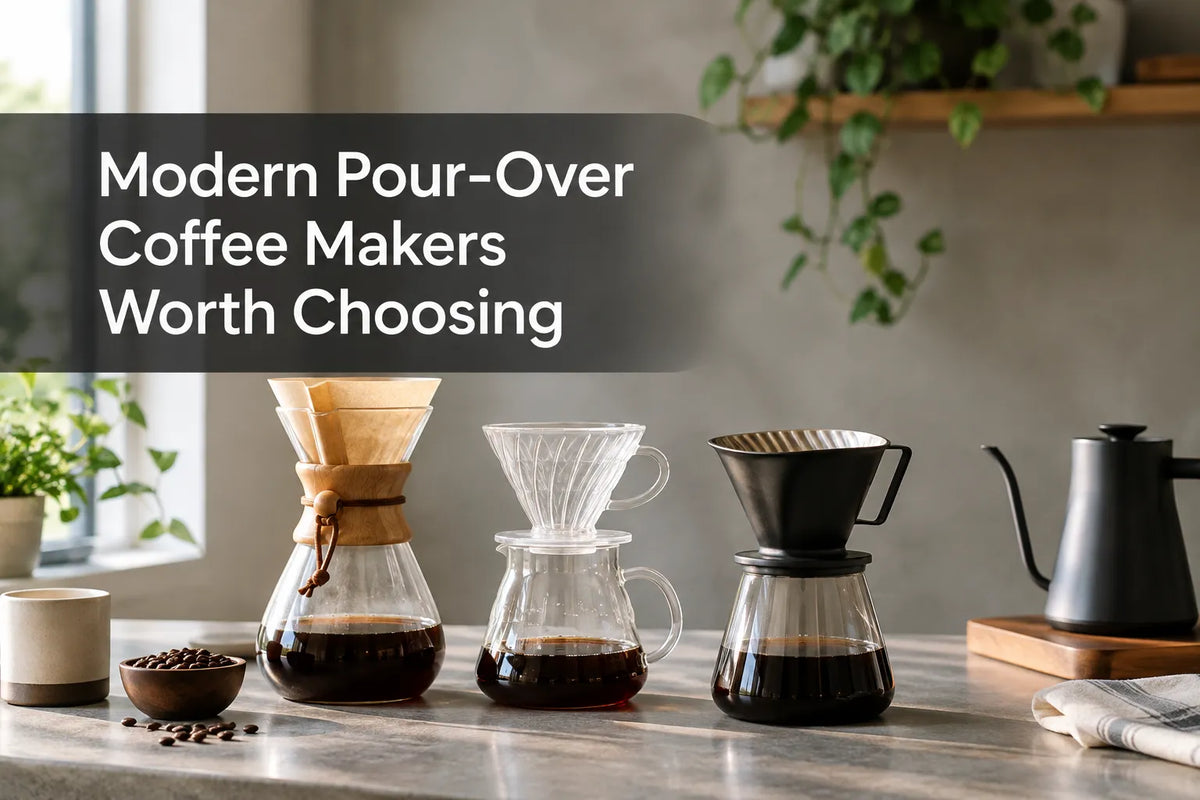
Drippers
Servers
Filter papers
Brew stands
Hot water tower or kettle charging area
For cafés that sell retail brewing gear or want to extend their brand into home coffee rituals, Cocinare fits naturally into the conversation. Its precision-pour gooseneck electric kettles are designed for coffee lovers who care as much about flow control as they do about visual harmony on the counter. The premium, durable build quality and design-forward styling make them especially compelling for cafés that value a refined specialty coffee identity beyond the commercial bar.
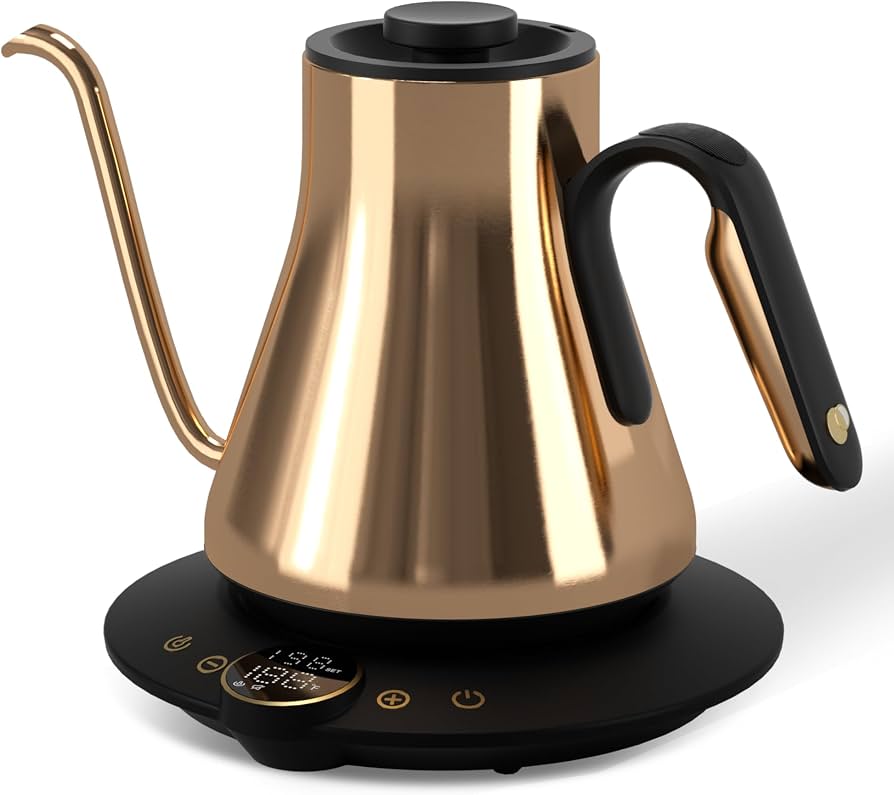
A kettle may not be your primary coffee maker machine for shop operations, but for specialty storytelling, customer education, and retail merchandising, it can be one of the most emotionally resonant tools in the space.
5. Refrigeration and cold storage
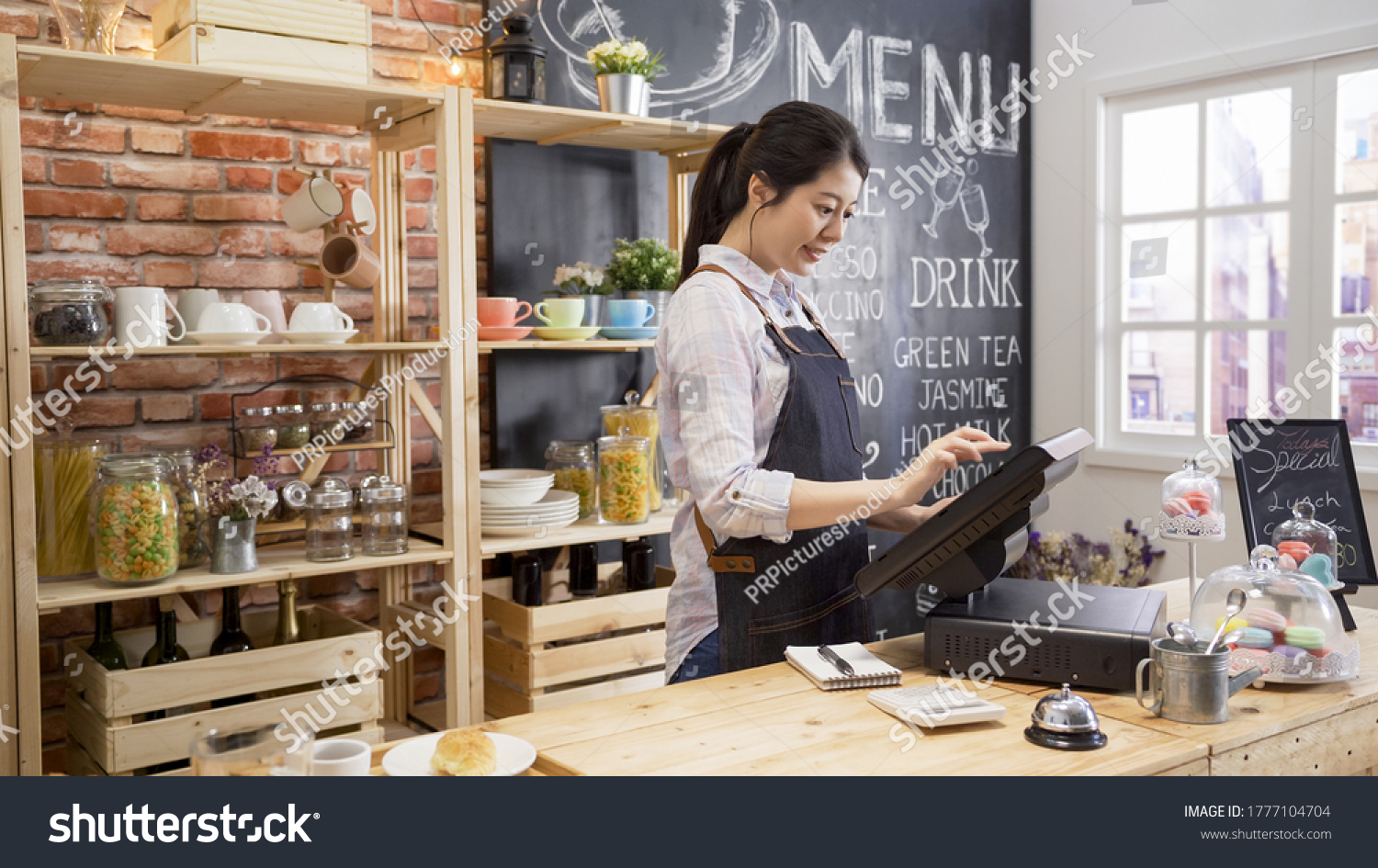
Refrigeration is one of the most underestimated coffee shop appliances categories. Milk, alt milk, syrups, cold brew, grab-and-go products, pastries, and food ingredients all need disciplined storage.
Typical refrigeration setup
Undercounter bar fridge for milk and daily-use ingredients
Reach-in refrigerator for back stock
Display case for pastries and retail beverages
Freezer if food service is involved
What to prioritize
Recovery speed
Easy cleaning
Shelf configuration
Footprint efficiency
Energy consumption
Service support
Too many operators focus heavily on front-bar glamour and forget that operational calm is built in the cold chain.
6. POS and customer-facing technology
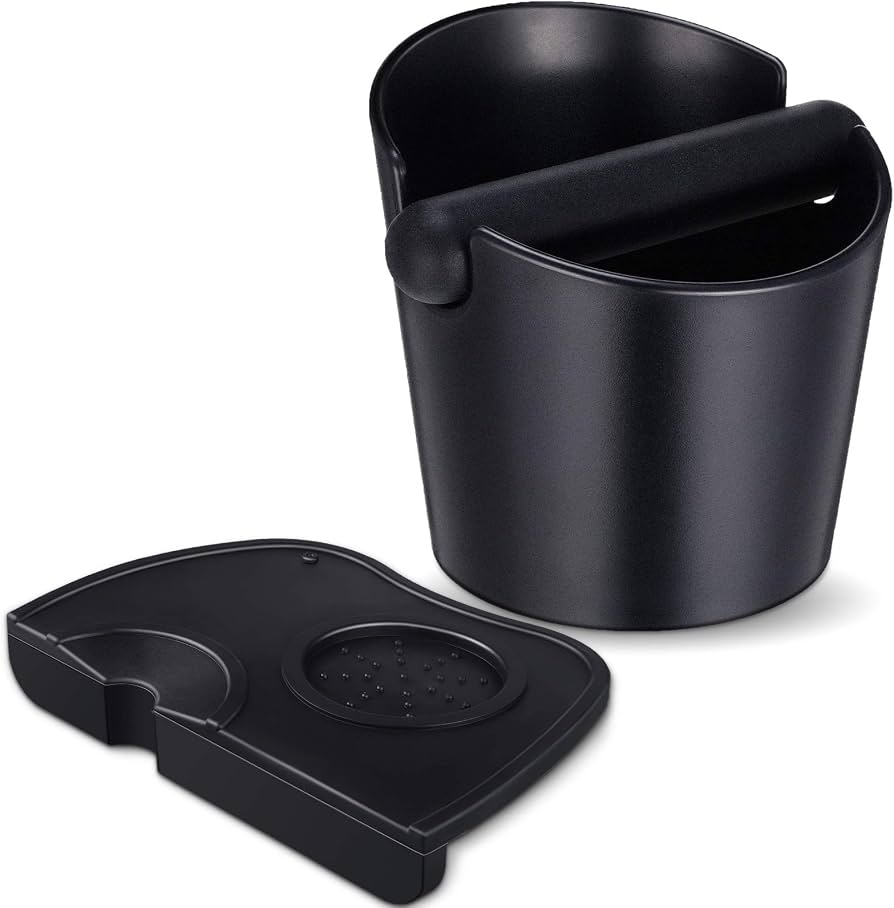
A modern coffee machine for cafe shop service is only one part of the system. Your tech stack shapes throughput just as much as your brewers.
Core café tech stack
POS terminal
Payment processing
Kitchen printer or display if serving food
Online ordering integration
Loyalty program
Inventory and reporting
Customer Wi-Fi
Security cameras
A coffee maker for shop productivity is useless if your POS slows modifiers, tipping, and split orders during peak traffic.
7. Barista tools and station essentials
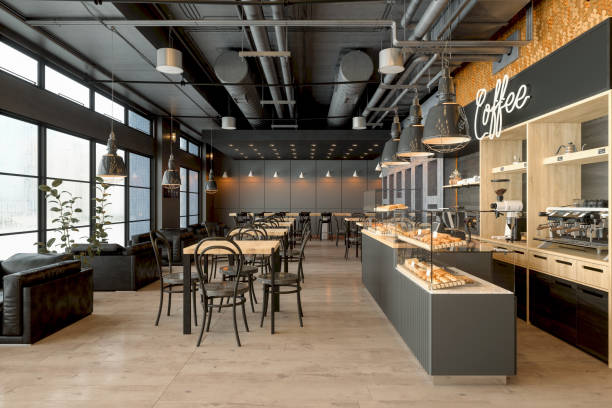
These are small-ticket items, but they drive consistency.
Must-have bar tools
Tampers
Dosing cups
Milk pitchers
Thermometers
Knock box
Scales
Timers
Towels
Cleaning brushes
Syrup pumps
Shot glasses
The best café shop equipment setups feel effortless because the small tools have been chosen with intention, not as afterthoughts.
8. Water filtration and utility infrastructure
Competitor guides mention water, but rarely treat it with the seriousness it deserves.
Why water matters
Water affects:
Flavor
Scale buildup
Equipment lifespan
Warranty compliance
Steam system performance
Utility planning checklist
Utility Area |
What to Confirm Before Purchase |
|---|---|
Electrical |
Voltage, amperage, dedicated circuits |
Plumbing |
Water line location, drain access |
Ventilation |
Required for ovens and some heat equipment |
Filtration |
Espresso, batch brew, and ice protection |
Counter depth |
Machine fit plus workflow clearance |
Access route |
Can equipment actually enter the building? |
A coffee maker coffee shop setup can fail before opening day if utility planning is ignored.
9. Ice, blenders, food prep, and secondary equipment
Depending on your menu, you may also need:
Ice machine
Blender for frappes or smoothies
Panini press
High-speed oven
Toaster
Prep fridge
Display case
Dishwasher or warewashing setup
These support categories often define whether your business remains a pure coffee bar or evolves into a broader café experience.
How to choose the best coffee machine for a coffee shop
Most buyers ask, “What is the best coffee machine for coffee shop use?” The better question is: “What is the right machine for my concept, staff, and sales mix?”
A practical evaluation framework
1. Match machine size to actual demand
Overbuying is expensive. Underbuying is chaotic.
2. Prioritize service network
A legendary machine with poor local support is a risky investment.
3. Test ergonomics
Can your team move quickly, clean efficiently, and reach what they need?
4. Evaluate total cost of ownership
Include installation, water filtration, burr replacement, preventive maintenance, downtime risk, and training.
5. Consider visual alignment
Your espresso machine is part performance tool, part stage design.
For style-led coffee brands, aesthetics are not superficial. The look of the bar matters. Customers notice materials, finishes, colors, and silhouette. The same design logic carries into home brewing gear, which is why Cocinare’s multiple collections - from Artisan to Color-changing to limited-edition collaborations - feel especially relevant for café owners who want retail products that reflect taste as well as function.
Best equipment by coffee shop type
Coffee Shop Type |
Priority Equipment |
Buying Focus |
|---|---|---|
Grab-and-go espresso bar |
2-group machine, fast grinder, POS |
Speed and footprint |
Neighborhood café |
Espresso machine, batch brewer, refrigeration |
Versatility |
Specialty coffee bar |
Espresso, premium grinder, pour-over station |
Precision and brew theater |
Bakery café |
Batch brew, espresso, display, oven |
Food integration |
Drive-thru coffee shop |
High-output espresso, redundant grinders, ice |
Throughput and reliability |
New vs. used coffee shop equipment
Used coffee shop equipment can save real money, but only when bought carefully.
When used equipment makes sense
Shelving
Tables and chairs
Some refrigeration
Display cases
Secondary prep equipment
When to be cautious
Espresso machines
High-use grinders
Ice machines
Dishwashers
Electronics and POS hardware
What to inspect before buying used
Age and service records
Parts availability
Signs of scale or leaks
Burr wear on grinders
Boiler performance
Pump pressure
Cosmetic damage vs. structural wear
Warranty status
A used coffee machine for coffee shop service can be a smart value play, but only if you budget for refurbishment. Cheap equipment that fails during launch week is not cheap.
Buying from coffee equipment suppliers: what to ask
Whether you’re sourcing from an online coffee equipment store, local dealer, or coffee equipment wholesale partner, ask better questions before signing.
Supplier vetting checklist
Do they handle installation?
Do they offer training?
What brands do they support locally?
How fast can they source parts?
Do they stock consumables and replacement items?
Can they help with layout planning?
What warranties are included?
Do they offer financing or lease options?
The best coffee shop equipment suppliers do more than sell boxes. They help reduce operational risk.
Comparing coffee equipment brands and manufacturers
You’ll encounter dozens of coffee equipment brands, but the real comparison points are usually the same.
How to compare brands intelligently
Criteria |
Why It Matters |
|---|---|
Reliability |
Protects uptime |
Service network |
Reduces downtime |
Parts availability |
Speeds repairs |
Training ease |
Helps staff perform |
Design quality |
Enhances brand perception |
Resale value |
Protects long-term investment |
Coffee equipment manufacturers with strong technician ecosystems usually outperform obscure bargain brands in the long run, even if the upfront quote looks higher.
Where to buy: local dealer, wholesale, or online
Local dealer
Best for installation, service coordination, and bundled support.
Wholesale partner
Useful if you already know the spec and want better pricing on larger orders.
Online coffee equipment store
Convenient for comparing stock, pricing, and accessories, especially smallwares and backup gear.
A hybrid approach often works best: buy your core machine through a strong local partner, and source accessories, brewing tools, and retail add-ons through online channels.
The overlooked role of retail and giftable equipment in modern cafés
Many commercial guides ignore one of the smartest margin opportunities in specialty coffee: retail equipment sales.
A café today is not just a place to buy drinks. It’s also a place where customers discover brewing rituals they want to recreate at home. Beautiful, functional brewing gear can become an extension of your brand.
That’s where Cocinare stands out. If your café wants to merchandise premium home-brewing products, Cocinare’s gooseneck electric kettles offer a compelling retail story:
Precision pouring for better pour-over coffee
Premium and durable build quality
Stylish, modern, design-forward aesthetics
Multiple collections to suit different tastes and lifestyles
Artistic and limited-edition collaborations
A more elevated daily brewing ritual
Free shipping in the U.S.
Up to 18-month hassle-free warranty
30-day money-back guarantee
For customers shopping for thoughtful gifts, coffee creators building visually polished home setups, or café fans inspired by social content, that combination is powerful.
A sample coffee shop equipment budget framework
Category |
Lean Setup |
Standard Setup |
Premium Setup |
|---|---|---|---|
Espresso machine |
$5,000–$8,000 |
$10,000–$18,000 |
$18,000–$30,000+ |
Grinders |
$1,500–$3,000 |
$3,000–$6,000 |
$6,000–$10,000 |
Batch brewing |
$500–$1,500 |
$1,500–$3,000 |
$3,000–$5,000 |
Refrigeration |
$2,000–$5,000 |
$5,000–$10,000 |
$10,000–$18,000 |
POS and tech |
$1,000–$2,500 |
$2,500–$5,000 |
$5,000–$10,000 |
Smallwares and tools |
$500–$1,500 |
$1,500–$3,000 |
$3,000–$6,000 |
Secondary equipment |
$1,000–$3,000 |
$3,000–$8,000 |
$8,000–$20,000+ |
These ranges vary by market, concept, and whether you are buying new or used coffee shop equipment.
Common equipment mistakes coffee shop owners make
Buying for aspiration, not actual workflow
A three-group machine looks impressive, but if your traffic is modest and your counter is cramped, it may not be the smartest choice.
Underinvesting in grinders
This is one of the most common and costly quality mistakes.
Ignoring water filtration
Bad water quietly damages both flavor and equipment.
Choosing equipment without local support
You are not just buying hardware. You are buying uptime.
Forgetting the customer experience
Your coffee shop machines and equipment should support speed, consistency, and visual confidence.
Neglecting retail opportunity
Home brewing tools, especially premium kettles and gift-worthy accessories, can turn lifestyle interest into incremental revenue.
Final verdict: build a coffee bar that performs beautifully
The right coffee equipment is a blend of engineering, workflow, hospitality, and design. Great café owners don’t simply shop for a coffee machine for shop use or chase the lowest quote on commercial coffee equipment suppliers. They build an integrated system around quality, speed, maintainability, and brand identity.
If you’re outfitting a café, start with your service model, volume, water, and layout. Invest heavily in the bar tools that affect taste and pace every single day. Buy from suppliers who can support you after installation, not just before checkout. And if you want your brand to live beyond the counter, curate retail products that mirror your values.
For cafés and coffee lovers who believe brewing should feel as good as it tastes, Cocinare is a natural next step. Its precision-pour gooseneck kettles bring specialty-grade control, premium craftsmanship, and modern visual appeal into the home coffee ritual - backed by free U.S. shipping, an up to 18-month hassle-free warranty, and a 30-day money-back guarantee. If your idea of great coffee includes beauty, intention, and better pouring, Cocinare is well worth exploring.
Share:
Pourover Coffee Brewer Buying Guide
Automatic Drip Coffee Makers: Best Picks for 2026