

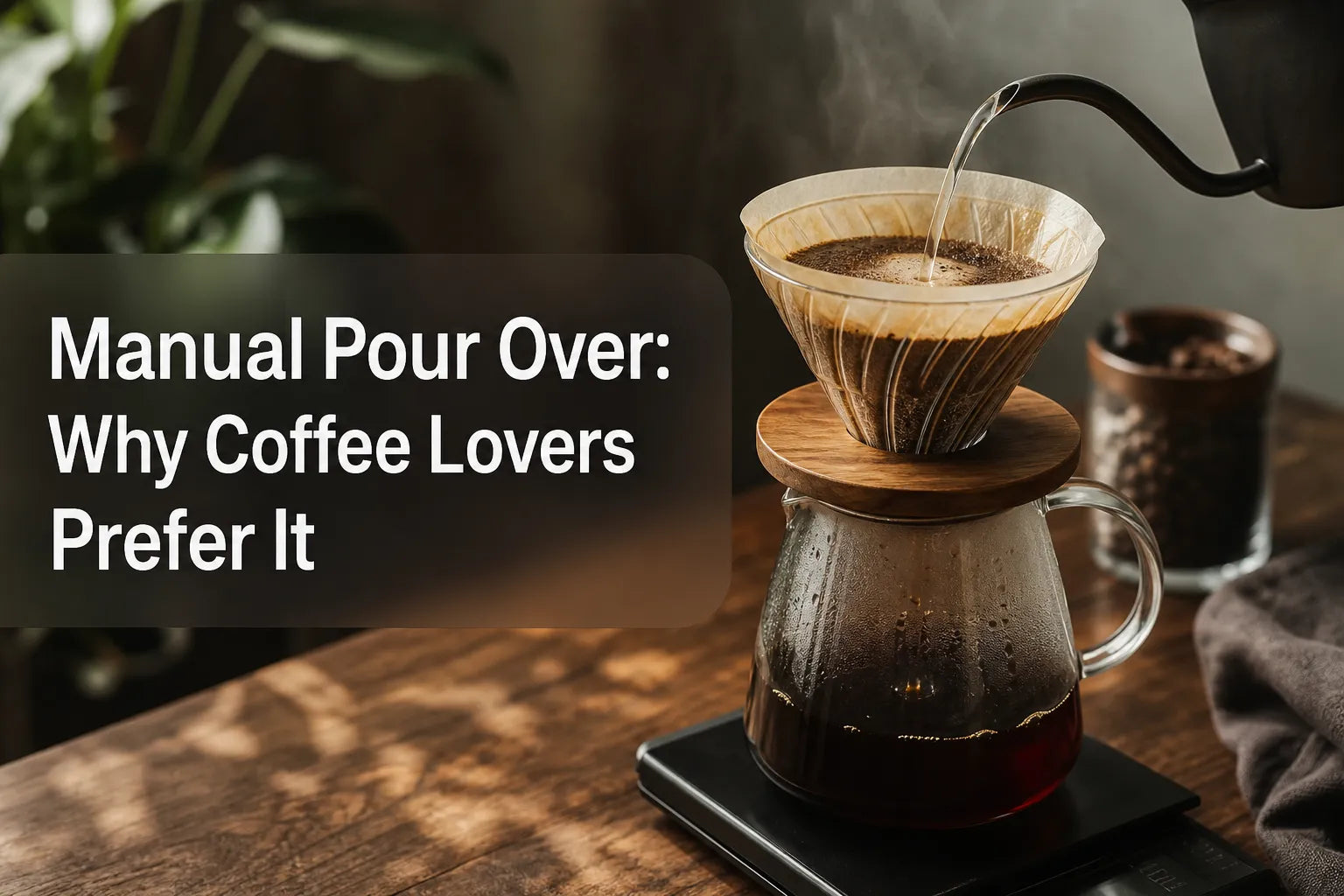
Manual Pour Over: Why Coffee Lovers Prefer It
For coffee lovers who want more than a caffeine routine, manual pour over coffee offers something richer: control, clarity, and a more beautiful start to the day. It turns brewing from an automatic background task into a hands-on ritual where water flow, temperature, timing, and technique all shape the final cup.
What makes this brewing method so compelling is that it balances craft and simplicity. You do not need a café-sized setup to brew a nuanced, expressive cup at home. You need the right fundamentals: quality beans, a good dripper, a dependable grinder, and most importantly, a kettle that gives you precision pouring instead of guesswork.
That is exactly why design-conscious home brewers are drawn to premium kettles from Cocinare. When your kettle feels beautifully made, pours with control, and looks worthy of your countertop, the entire ritual becomes more satisfying. For people who care about flavor and aesthetics in equal measure, that combination matters.
Why manual pour over coffee stands out
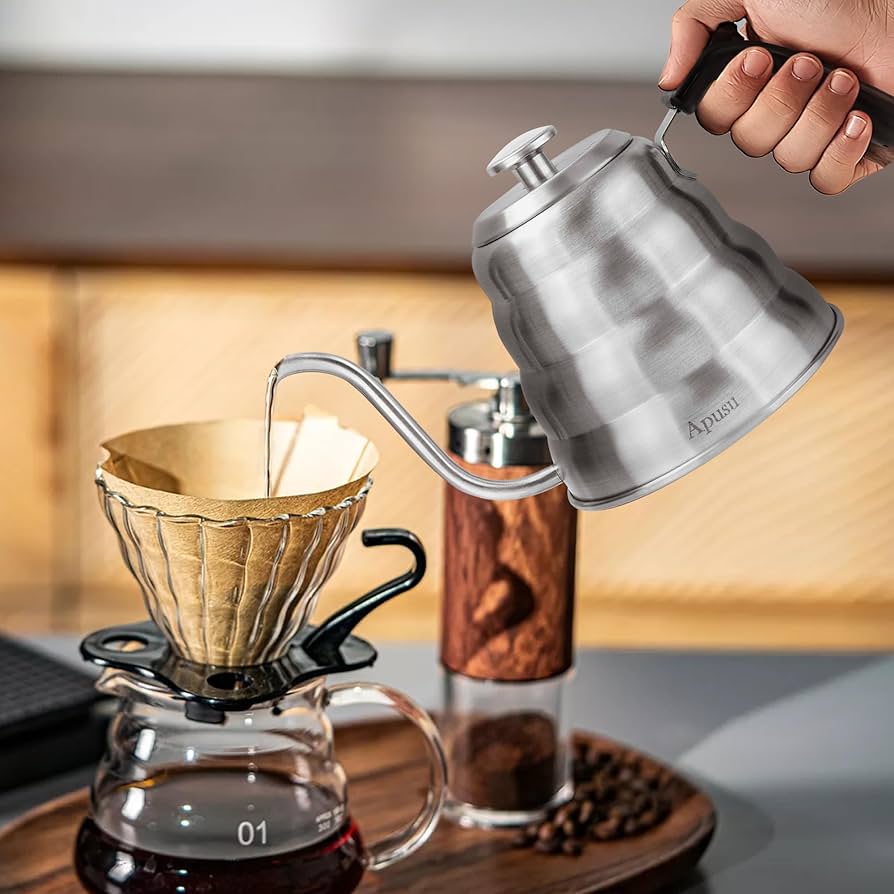
At its core, manual pour over means you pour hot water over coffee grounds by hand, usually in slow, measured stages. That manual control changes everything.
Unlike automatic drip machines, which hide most of the brewing variables, a pour-over setup lets you decide:
how hot the water should be
how fast to pour
how much agitation to create
how long the coffee and water stay in contact
how much coffee to brew
This makes it especially appealing to people who want to taste more of a bean’s origin, roast profile, and character.
The flavor difference is real
Manual brewing is known for producing a cup with cleaner structure, more aroma definition, and greater transparency. Bright acidity, floral notes, citrus, cocoa, or stone-fruit character often come through more clearly than they do in many batch-brewed cups.
That is a big reason enthusiasts keep coming back to it: manual pour over coffee does not just make coffee taste good. It makes coffee taste specific.
"74% of past-day specialty coffee drinkers prepared their drinks at home." - The Manual
That shift toward elevated home brewing helps explain why premium tools now matter more than ever. People are not just making coffee at home. They are building a ritual around it.
What coffee lovers prefer about the manual method
Competitor articles usually focus on one simple point: pour over gives you more control than drip coffee. That is true, but it is not the full story. Coffee lovers prefer manual brewing for a deeper mix of reasons.
1. It rewards attention
Manual brewing invites intention. Each cup asks you to slow down, notice your pour, and respond to the coffee in front of you. That kind of tactile involvement is part of the appeal.
2. It makes technique meaningful
With an automatic machine, your role often ends when you press a button. With a pour over, your technique is part of the outcome. A steadier pour can lead to more even extraction. Better temperature control can improve sweetness and balance.
3. It feels personal
Many brewers love that no two coffees have to be approached exactly the same way. A lightly roasted Ethiopian coffee may need a different pour pattern than a chocolatey Colombian bean. Manual brewing lets you adapt.
4. It fits modern lifestyle aesthetics
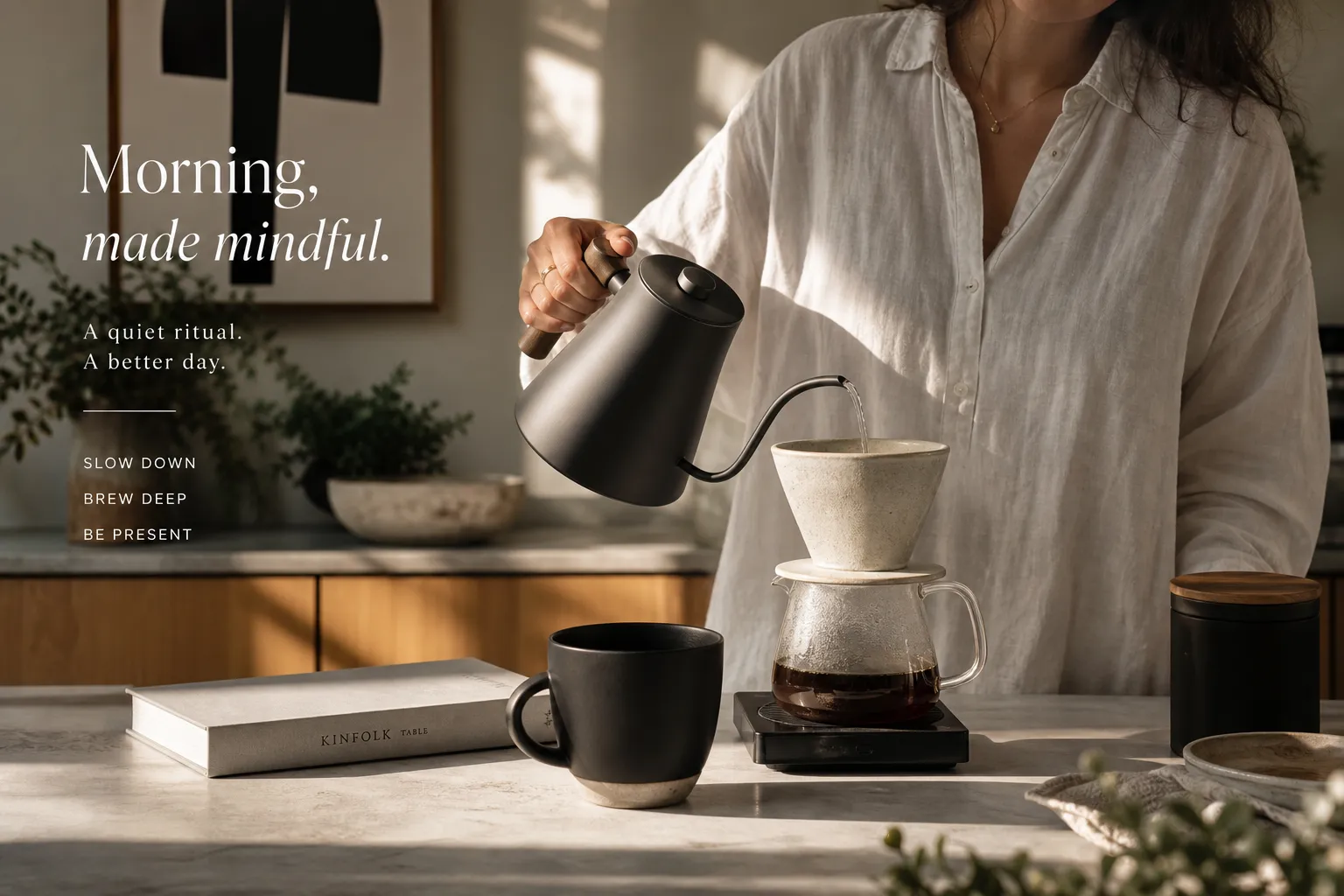
Today’s coffee culture lives at the intersection of flavor, ritual, and design. A beautiful kettle, ceramic dripper, handcrafted mug, and minimal countertop setup all contribute to the experience. This is where Cocinare naturally fits: performance-led gear with a premium visual language that feels at home in stylish kitchens and creator spaces.
Manual pour over vs drip coffee
If you are deciding between manual brewing and a standard drip machine, here is the practical difference.
Feature |
Manual Pour Over |
Automatic Drip Coffee |
|---|---|---|
Control |
High |
Limited |
Flavor clarity |
Excellent |
Good to moderate |
Brew customization |
Extensive |
Minimal |
Learning curve |
Moderate |
Low |
Ritual and engagement |
High |
Low |
Speed |
Slower |
Faster |
Batch size |
Usually small to medium |
Medium to large |
Countertop style appeal |
High |
Usually secondary |
When pour over is the better choice
Manual brewing is ideal if you:
enjoy tasting subtle flavor notes
want a more intentional home coffee ritual
value design-forward gear
like dialing in recipes and improving technique
prefer quality over speed
When drip may still win
Automatic drip makes sense if you:
need multiple cups with minimal effort
prioritize convenience over customization
want a set-it-and-forget-it machine
For many coffee lovers, the real answer is not either-or. It is drip for utility, pour over for pleasure.
The content gap most articles miss: the kettle matters more than people think
A lot of articles explain grind size, bloom, or brew time. Fewer explain just how much the kettle influences consistency.
The wrong kettle can pour too aggressively, disturb the coffee bed, create uneven extraction, or make your flow rate difficult to control. A proper gooseneck kettle helps you place water exactly where you want it, which is essential for even saturation.
Why precision pouring changes the cup
A well-designed pour spout allows you to:
start and stop cleanly
maintain a narrow, controlled stream
avoid flooding one side of the bed
support spiral pours and pulse pours with confidence
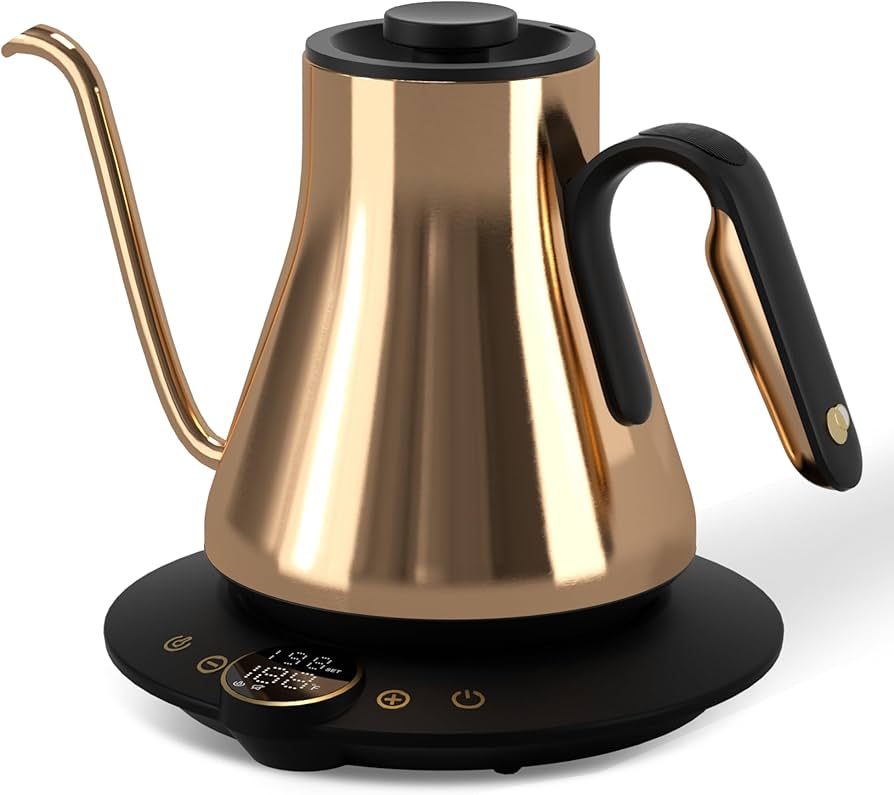
That is why Cocinare’s gooseneck electric kettles make sense for serious home brewers. They are built around precision pouring for better pour-over coffee, but they also bring premium craftsmanship and modern form into the kitchen. Instead of treating equipment as purely functional, Cocinare treats it as part of the ritual.
The core variables behind a better cup
Pour over feels artistic, but great results still come down to a few repeatable variables.
Water temperature
Temperature affects extraction speed and balance.
"The Specialty Coffee Association (SCA) recommends brewing coffee with water heated to a temperature between 195°F and 205°F (90°C to 96°C)." - Specialty Coffee Association brewing guidance
If your water is too cool, the coffee may taste flat or sour. Too hot, and it can become bitter or harsh. A precise electric kettle makes this far easier to manage than stovetop guesswork.
Grind size
Most manual pour over recipes begin with a medium grind, then adjust from there. If coffee drains too quickly and tastes weak, grind finer. If it drains too slowly and tastes bitter, grind coarser.
Coffee-to-water ratio
A good starting point is 1:15 to 1:16 coffee to water. For example:
20 g coffee to 300–320 g water
24 g coffee to 360–385 g water
Pour pattern
The way you pour affects bed saturation and extraction uniformity. Common approaches include:
center-out spiral pours
pulse pours in stages
gentle agitation between pours
Time
Most pour-over brews land around 2.5 to 4 minutes, depending on dose, dripper, filter, and grind.
How to brew manual pour over coffee at home
This is where the ritual comes alive. You do not need to overcomplicate it. Start simple, then refine.
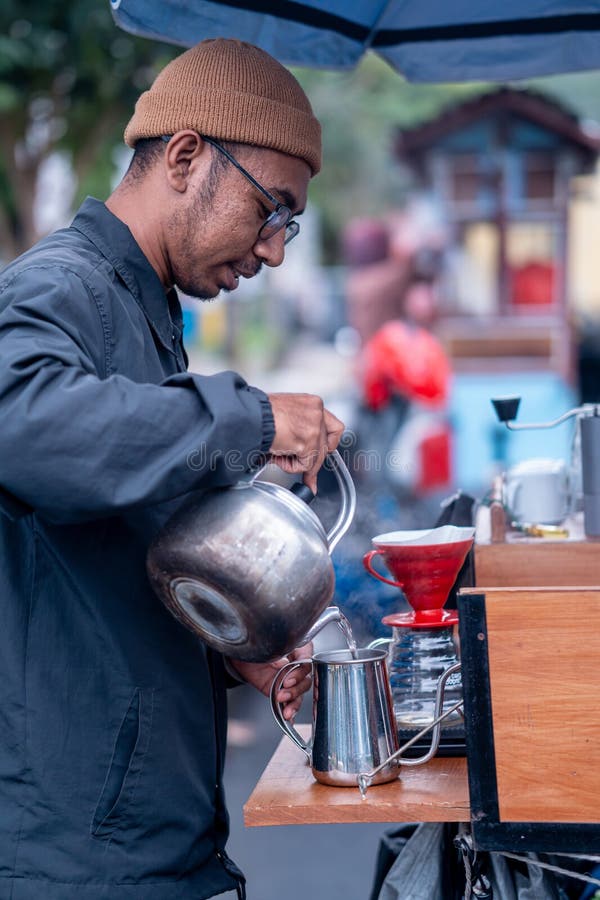
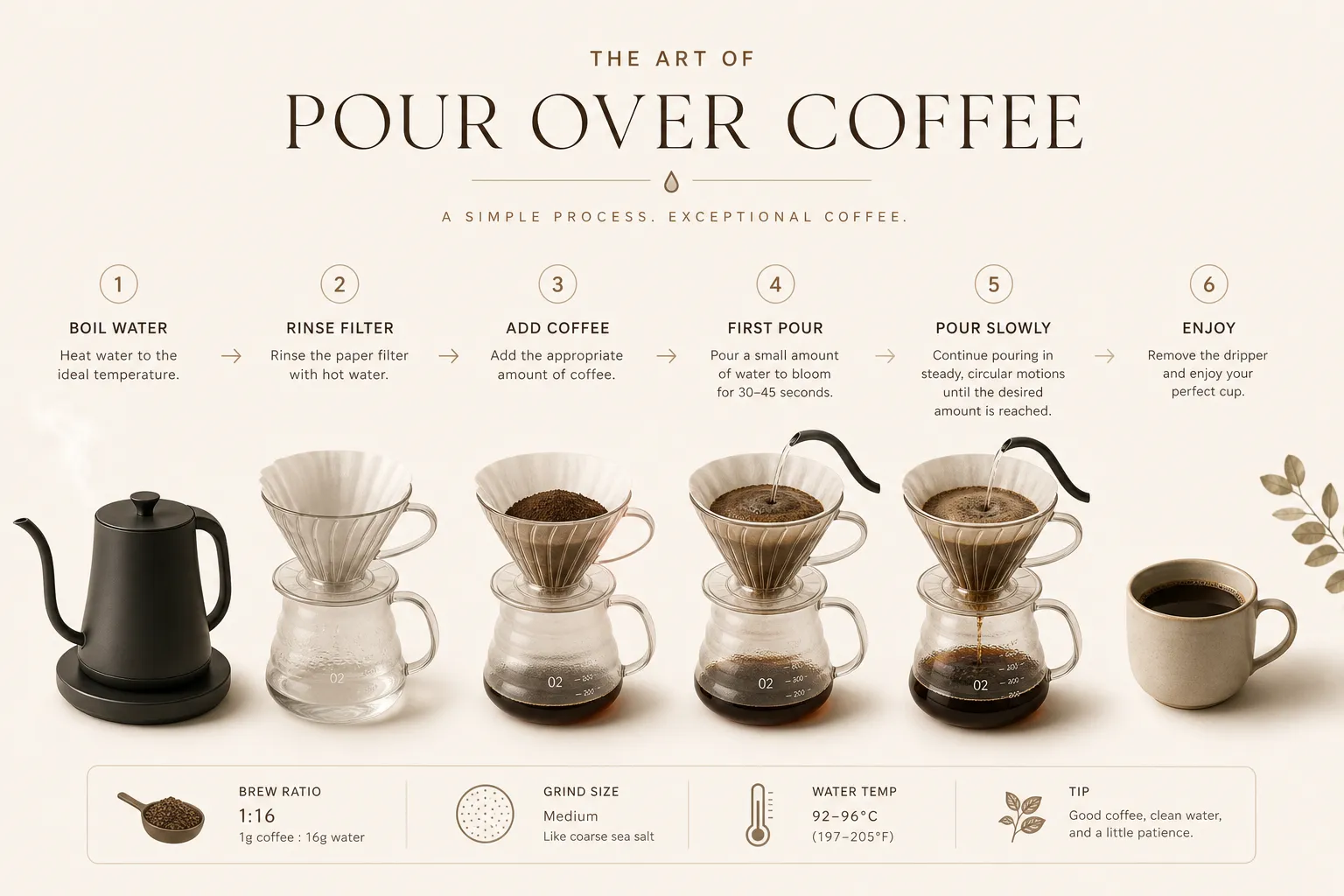
A simple starter recipe
What you need:
pour-over dripper
paper filter
freshly ground coffee
scale
timer
gooseneck kettle
mug or server
Recipe:
20 g coffee
320 g water
medium grind
200°F / 93°C water
Step-by-step
Rinse the paper filter with hot water and discard the rinse water.
Add the ground coffee and level the bed.
Start your timer and pour about 40 g of water to bloom the coffee.
Wait 30 to 45 seconds.
Continue pouring slowly in circles until you reach 200 g.
Pause briefly, then finish pouring to 320 g.
Let the coffee drain fully and serve.
This basic structure gives you a balanced cup and a repeatable baseline for experimentation.
The role of aesthetics in the brewing ritual
Coffee equipment is no longer hidden in cupboards. For many people, it is part of the visual identity of the home.
That matters because the best coffee rituals are not only efficient. They are inviting.
A well-designed kettle can make you want to brew more often. It can turn a morning task into a small design-led pleasure. Cocinare understands this better than many appliance brands. Its collections appeal to different tastes and lifestyles, from understated modern minimalism to more expressive and artistic collaborations.
Why Cocinare feels different
Cocinare is not just selling utility. It is offering a more elevated version of the home coffee experience through:
precision-focused gooseneck pouring
premium, durable build quality
stylish, modern, design-forward aesthetics
multiple collections to match different personalities and interiors
artistic and limited-edition collaborations
perks that reduce buying friction, including free U.S. shipping, an up to 18-month hassle-free warranty, and a 30-day money-back guarantee
That combination is compelling for coffee lovers, gift buyers, and anyone building a more intentional kitchen.
Common mistakes that hold back manual pour over coffee
Even great beans can underperform if your method is inconsistent.
Pouring too fast
A fast stream can create turbulence and uneven extraction. A controlled gooseneck flow is better.
Ignoring water temperature
Without temperature accuracy, even a good recipe can become unreliable from one morning to the next.
Using stale coffee
Freshly roasted beans make a noticeable difference in aroma and complexity.
Skipping the bloom
Blooming helps release trapped gas, making later pours more even.
Chasing perfection too early
Many people overcomplicate pour over. Start with a straightforward recipe, then change one variable at a time.
Is manual pour over worth it for beginners?
Yes, especially if you care about flavor and enjoy learning by doing.
It is easy to assume pour over is only for advanced hobbyists, but that is outdated thinking. The method is approachable when you have the right tools and a simple recipe. A reliable kettle is often what gives beginners the confidence to improve quickly, because it solves one of the hardest parts: pouring consistently.
For first-time brewers, Cocinare makes the learning curve feel more approachable by pairing performance with intuitive design. And because the products are built to look as good as they function, they also make excellent gifts for aspiring home baristas.
Who manual pour over is perfect for
Manual pour over is a strong fit for:
home brewers who want better flavor separation
coffee enthusiasts exploring single-origin beans
creators who value a beautiful, camera-ready coffee setup
design-conscious consumers upgrading their kitchen ritual
thoughtful gift shoppers looking for premium, lifestyle-driven coffee gear
It is especially appealing if your idea of luxury is not excess, but beautiful function.
Final verdict
Coffee lovers prefer manual pour over because it offers something machines rarely do: a sense of authorship. You are not just receiving coffee from a device. You are shaping it.
That hands-on control leads to more expressive flavor, a calmer ritual, and a deeper connection to the cup. And when that ritual is supported by a kettle that pours with precision, feels durable in the hand, and looks exceptional on the counter, the experience becomes even more rewarding.
If you want to elevate your home coffee ritual, Cocinare is a natural next step. Its premium electric gooseneck kettles bring together barista-style control, modern design, artistic personality, and customer-friendly peace of mind with free U.S. shipping, an up to 18-month hassle-free warranty, and a 30-day money-back guarantee.
For coffee lovers who believe the brew should taste beautiful and the tools should look beautiful too, Cocinare makes manual pour over feel exactly right.
FAQ
Why do people love pour over coffee?
People love pour over coffee because it offers more control over flavor, strength, and clarity than many automatic methods. It also turns brewing into a calming ritual, which makes the coffee feel more personal and rewarding.
Why is a pour over a preferred coffeemaker method?
A pour over is preferred because it allows brewers to control water temperature, pour speed, and extraction time, which can produce a cleaner and more expressive cup. It is especially popular with people who want to highlight the unique character of specialty coffee beans.
Why is Gen Z obsessed with coffee?
Gen Z is drawn to coffee as both a lifestyle ritual and creative form of self-expression. Design-forward gear, café culture, social media aesthetics, and interest in craft experiences all make specialty coffee especially appealing to this generation.
What is the Japanese pour over coffee method?
The Japanese pour over coffee method usually refers to a precise hand-pouring technique that emphasizes balance, clarity, and careful control of flow rate and timing. It can also refer to Japanese iced coffee, where hot brewed coffee is poured directly over ice to preserve aroma while chilling quickly.
Share:
Best Electric Kettle for Coffee in 2026
Compact Espresso Coffee Machine Buyer's Guide