

Coffee Pot With Temperature Control Guide
If your morning coffee sometimes tastes bright and layered, and other days flat or bitter, the issue may not be your beans at all. More often, it’s heat. A coffee pot with temperature control gives you one of the most important variables in brewing: consistency. And whether you’re comparing a coffee maker with temperature control, a coffee maker with temp control, or a drip coffee maker with temperature control, the real goal is the same - repeatable flavor, less guesswork, and a better ritual at home or at work.
For design-conscious coffee lovers, the conversation goes beyond raw function. The best brewing setup should feel precise, beautiful, and effortless to live with. That’s where the right appliance mix matters: a dependable temperature-stable brewer for batch coffee, and a precision gooseneck kettle for manual brewing when you want greater control over flow rate, extraction, and the entire sensory experience.
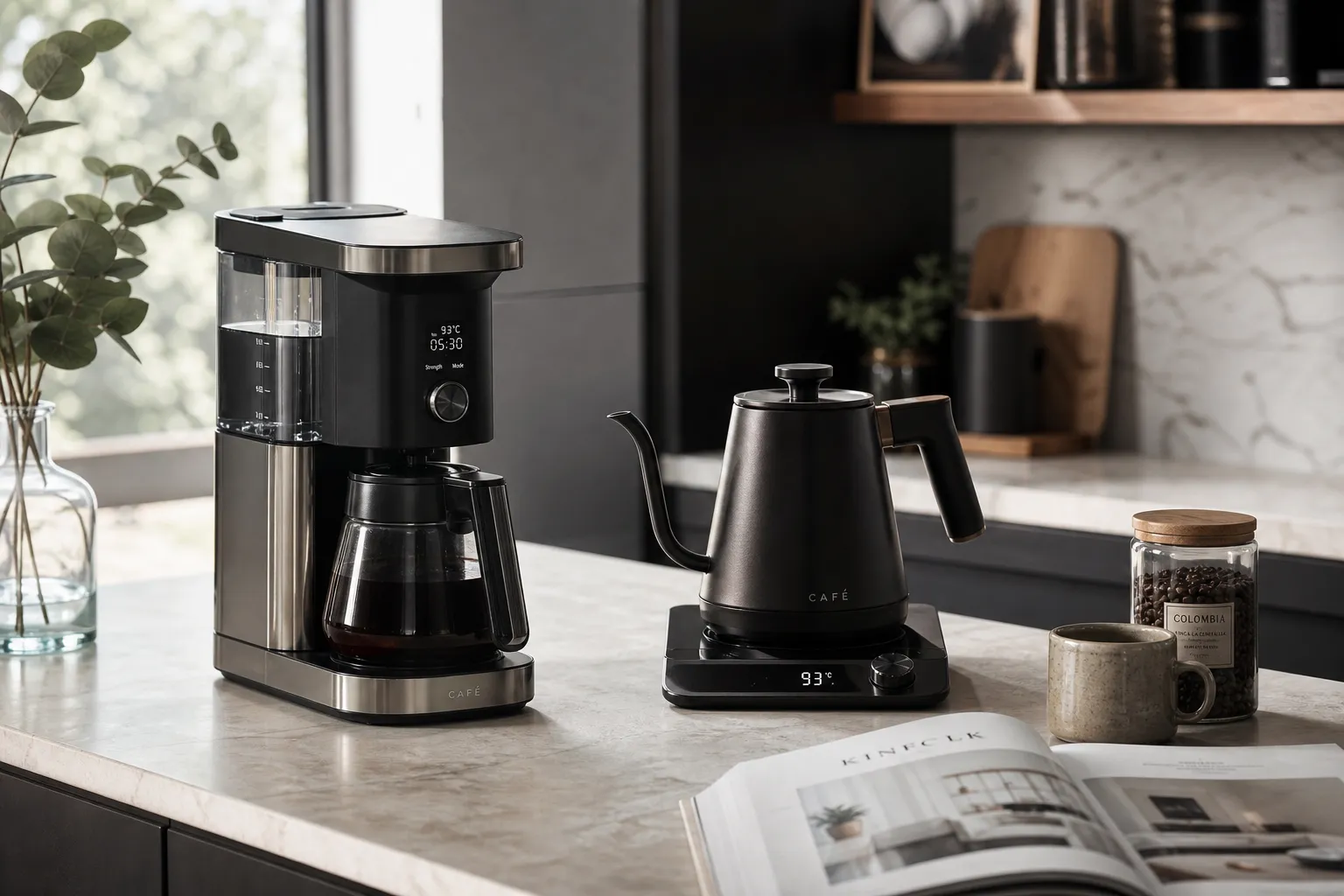
Why temperature control changes everything
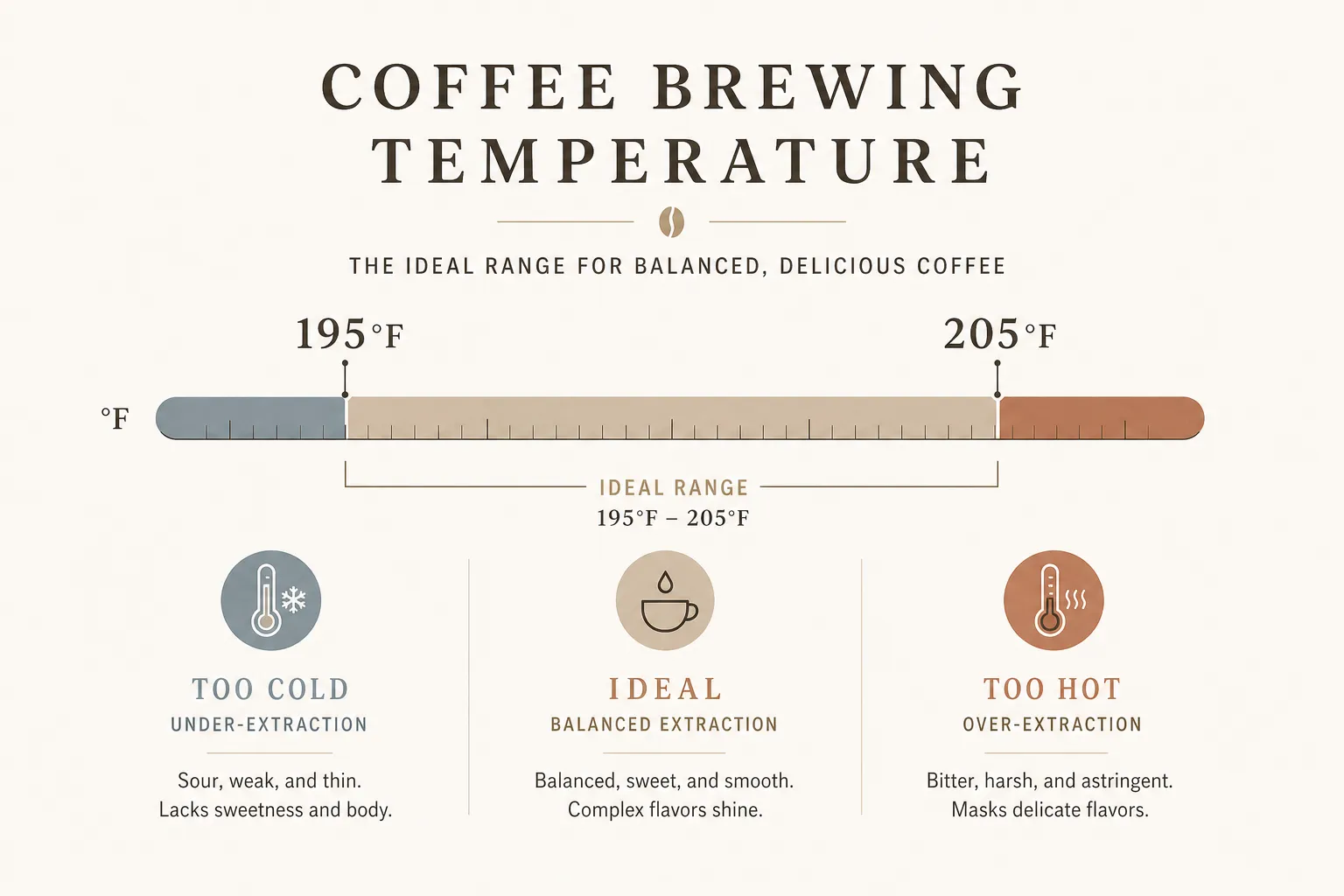
Coffee extraction is chemistry in motion. Water that’s too cool leaves behind sweetness, body, and aromatic complexity. Water that’s too hot can pull out bitterness and muddle clarity. The right temperature helps unlock balance.
"The National Coffee Association recommends brewing coffee with water heated between 195°F and 205°F to achieve optimal extraction of flavors from the coffee grounds." - GE Appliances / National Coffee Association summary
That 195–205°F window shows up again and again for a reason: it’s where most coffees taste structured, sweet, and expressive.
"One of the key criteria for certification is the brewer's ability to maintain a water temperature between 195°F and 205°F throughout the brewing process." - Specialty Coffee Association
This is also why premium brewers and specialty kettles matter. It’s not just about heating water. It’s about holding the right heat long enough to brew well.
Coffee pot vs coffee maker vs precision kettle: what’s the difference?
A lot of shoppers use these terms interchangeably, but they aren’t always the same thing.
Product Type |
Best For |
What It Controls |
Ideal User |
|---|---|---|---|
Coffee pot with temperature control |
Keeping brewed coffee warm at a chosen holding temperature |
Post-brew serving temperature, sometimes brew temperature |
Households that drink over time |
Coffee maker with temperature control |
Brewing coffee automatically with more stable extraction |
Brew water temperature and sometimes keep-warm settings |
Busy home brewers, offices |
Drip coffee maker with temperature control |
Batch brewing with convenience and consistency |
Automated water heating and drip cycle temperature |
Families, teams, daily batch drinkers |
Precision gooseneck electric kettle |
Pour-over, tea, and manual brewing |
Exact heating and precise pouring control |
Enthusiasts, design lovers, specialty coffee fans |
The biggest content gap in many guides is this: brew temperature control and pouring control are not the same thing. Even the best automatic brewer can’t replace the tactile control of a well-designed gooseneck kettle for pour-over coffee. If you love V60, Chemex, Origami, or other manual methods, your kettle matters as much as your grinder.
That’s why Cocinare has a distinct role in a premium setup. Its electric gooseneck kettles are designed for precision pouring for better pour-over coffee, while also delivering the durable build quality and elevated aesthetics people want on an open kitchen counter.
The ideal brewing temperature for different coffee styles
Not every coffee shines at exactly the same point within the ideal range.
195–199°F: lighter touch, more clarity
This range often works beautifully for:
darker roasts
coffees that already extract easily
drinkers who prefer smoother, less aggressive cups
You may notice more chocolate, nut, and roast notes without pushing bitterness.
200–203°F: the sweet spot for most specialty coffee
This is the zone many home brewers should start with. It tends to produce:
balanced sweetness
clean acidity
better body
strong aromatic expression
For most fresh, medium-roast specialty coffees, this is an excellent target.
204–205°F: higher energy for denser or lighter roasts
This can be useful for:
very light roasts
dense washed coffees
situations where your brewer loses heat quickly
Done well, it can bring out floral notes, fruit, and complexity. Done poorly, it can also expose bitterness if your grind is too fine or contact time is too long.
What competitor articles often miss
Most temperature-control coffee content covers the basics: hot enough water, grind fresh, measure carefully. Helpful - but incomplete. Here’s what often gets overlooked and what actually improves your cup.
Temperature stability matters more than peak temperature
A machine that briefly hits 205°F but drops too quickly may perform worse than one that steadily brews at 200°F. Look for consistency across the full brew cycle, not just a marketing number.
The showerhead and saturation pattern matter
In drip machines, even extraction depends on how evenly water is distributed over the bed of grounds. Good temperature without even saturation still leads to uneven flavor.
Thermal retention after brewing matters too
If coffee sits on a hot plate, flavor quality often declines fast. A thermal carafe is typically the more premium choice because it preserves warmth without “cooking” the coffee.
Manual brewing needs flow control, not just heat control
For pour-over, precise temperature is only half the story. A controlled, even pour affects turbulence, contact time, bloom, and extraction. This is where a well-balanced gooseneck kettle becomes essential.
How a drip coffee maker with temperature control compares to pour-over
For many people, this isn’t an either-or decision. It’s a “weekday versus weekend” choice.
Feature |
Temperature-Control Drip Machine |
Precision Pour-Over Kettle |
|---|---|---|
Convenience |
Excellent |
Moderate |
Batch size |
Best for multiple cups |
Best for 1–4 cups |
Speed |
Fast and automated |
Slower, intentional |
Control over pouring |
Limited |
Excellent |
Extraction customization |
Moderate |
High |
Design ritual |
Functional |
Immersive |
Best use case |
Home kitchens, offices, families |
Specialty coffee lovers, mindful routines |
A drip brewer is perfect when you want reliable volume. A Cocinare kettle shines when you want to turn brewing into a ritual and bring out the best in high-quality beans.
Features to compare before you buy
1. True brew temperature control
Some machines advertise “hot brewing” without giving actual temperature ranges. Look for clear specs, ideally in the 195–205°F zone, and trustworthy certification when available.
2. Thermal carafe vs hot plate
A thermal carafe is usually the smarter choice for flavor. It keeps coffee warm while protecting sweetness and aroma longer.
3. Pre-infusion or bloom mode
This is especially valuable for fresh coffee. Wetting the grounds briefly before the main brew can help release trapped gas and improve extraction consistency.
4. Showerhead design
A wider, more even showerhead helps saturate grounds uniformly, reducing channeling and weak spots.
5. Brew size flexibility
If you brew one mug on weekdays and a full batch on weekends, flexibility matters. Some brewers perform well only at full volume.
6. Ease of cleaning
Descaling access, removable baskets, and wide-mouth carafes make a real difference over time.
7. Build quality and countertop presence
Coffee equipment lives in plain sight. If you care about interiors, materials and visual language matter. This is one reason premium buyers gravitate toward thoughtfully designed tools rather than purely utilitarian appliances.
Who should buy what?
Best for the busy household
Choose a coffee maker with temperature control if you want:
automatic brewing
multiple cups at once
less daily hands-on work
dependable results before work or school
Best for the office
Choose a drip coffee maker with temperature control if you need:
larger capacity
repeatable output
simple workflows
less training for multiple users
For offices with coffee enthusiasts, pairing a batch brewer with a premium kettle creates the best of both worlds.
Best for the specialty coffee lover
Choose a precision kettle if you care about:
brewing control
better pour-over coffee
refined extraction
a more beautiful morning routine
Cocinare’s gooseneck kettles are especially compelling here because they combine performance with style. You get premium and durable build quality, a modern, design-forward aesthetic, and multiple collections to match different homes and personalities - from quietly minimal to more expressive and artistic.
Signs you actually need temperature control
You’ll benefit from upgrading if any of these sound familiar:
your coffee tastes different every day using the same beans
dark roasts taste burnt or harsh
light roasts taste sour or thin
your current brewer leaves coffee lukewarm
you love pour-over but struggle with consistency
you want your coffee setup to look as elevated as it performs
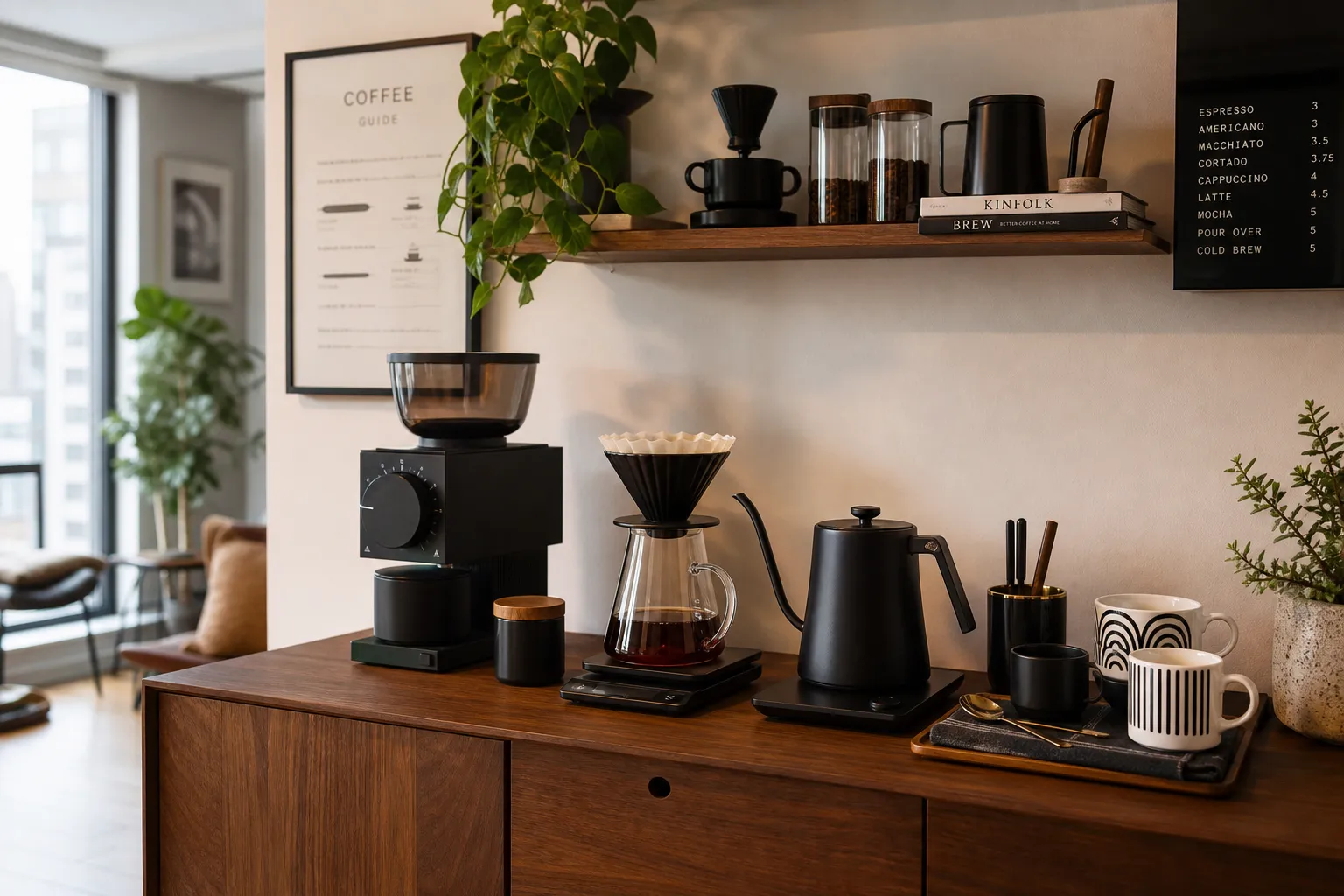
For many people, the answer isn’t replacing everything at once. It’s building a better system step by step: good grinder, better water, temperature-aware brewer, and a precision kettle for manual brewing.
A practical setup guide for home and office
Home setup: balanced convenience and ritual
A strong home coffee station often includes:
an automatic brewer for weekday batches
a precision kettle for weekends or single-cup brewing
a burr grinder
a scale
fresh coffee stored well
This gives you speed when you need it and craft when you want it.
Office setup: consistency first
For office use, prioritize:
batch capacity
stable brewing temperature
thermal serving
easy maintenance
durable materials
Then add a precision kettle in the breakroom if your team enjoys specialty coffee. It’s a small upgrade that can dramatically improve morale for coffee-focused teams.
Why kettle design matters more than most buyers expect
Many buying guides focus only on coffee makers, but serious home brewers know the kettle is where brewing becomes tactile. Handle balance, spout shape, lid fit, and responsiveness all affect how easily you can pour with confidence.
That’s where Cocinare stands apart. The brand doesn’t treat coffee gear as generic appliances. Its kettles are built to elevate the ritual:
precision pouring for cleaner, more consistent extraction
thoughtful craftsmanship and durable materials
distinctive aesthetics that feel at home in design-led kitchens
multiple collections for different tastes and lifestyles
artistic and limited-edition collaborations for buyers who want tools with personality
For gifting, this matters even more. A temperature-aware, visually striking kettle feels both useful and personal - ideal for coffee lovers, new homeowners, newlyweds, or anyone curating a more intentional kitchen.
Is SCA certification important?
Yes - especially for automatic brewers. If you’re shopping for a machine rather than a kettle, SCA certification is one of the fastest ways to narrow the field. It suggests the brewer can meet specialty-level performance standards, including temperature stability.
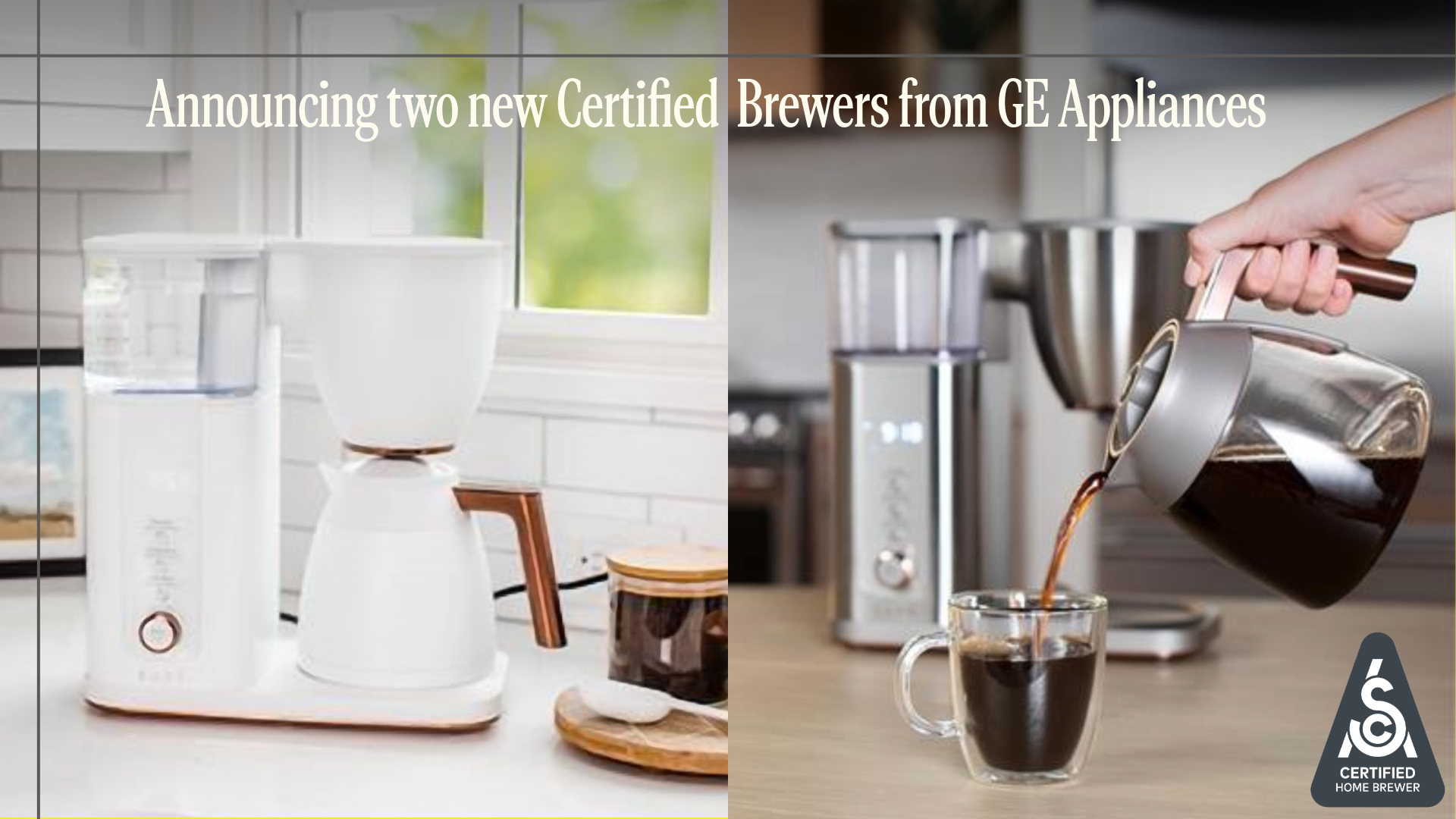
That said, certification is not the whole story. User experience, cleaning, carafe design, brew basket geometry, and longevity still matter. For manual coffee, certification is less relevant than usability and pour precision.
Common mistakes that ruin temperature-controlled brewing
Grinding too far in advance
Fresh grinding preserves aromatics and helps your temperature-controlled setup deliver its full value.
Ignoring water quality
Even perfect temperature won’t fix poor-tasting water. Use clean, filtered water whenever possible.
Brewing too much and leaving it on a hot plate
Fresh coffee tastes best early. If you like to linger over it, prioritize a thermal carafe.
Chasing higher temperatures instead of adjusting grind
If coffee tastes weak, the problem may be grind size or dose rather than heat. Temperature is one variable, not the only one.
Forgetting to descale
Mineral buildup affects heating performance and flavor. A great machine or kettle still needs regular care.
The best choice for flavor consistency
If your priority is effortless batch brewing, a high-quality automatic brewer with stable temperature performance is the right foundation. If your priority is flavor nuance and control, a precision kettle is the tool that unlocks your coffee’s range.
The most satisfying setup for many enthusiasts is hybrid:
a temperature-stable drip brewer for daily convenience
a Cocinare gooseneck kettle for elevated pour-over sessions
That combination gives you practicality without sacrificing craft.
Final verdict
A coffee pot with temperature control is worth considering if you care about serving temperature and keeping coffee pleasant for longer. A coffee maker with temperature control or drip coffee maker with temperature control is the better choice if your main concern is better extraction and more consistent flavor. And if you want true specialty-level involvement, a precision kettle is what transforms brewing from routine into ritual.
Cocinare fits beautifully into that modern coffee lifestyle. Its kettles deliver the kind of control home brewers actually feel in the cup, while offering the premium finish, artistic point of view, and countertop-worthy design many competitors ignore. Add in free shipping in the U.S., an up to 18-month hassle-free warranty, and a 30-day money-back guarantee, and it becomes an easy upgrade for anyone building a more intentional home coffee setup.
If you want coffee gear that performs like a barista tool and looks like a design object, Cocinare is where to start.
FAQ
Are thermal coffee pots worth it?
Yes - if you want coffee to stay warm without damaging flavor, thermal coffee pots are absolutely worth it. They preserve heat more gently than a hot plate, which helps protect sweetness and aroma over time.
What is the 15-15-15 rule for coffee?
The 15-15-15 rule usually refers to freshness: coffee is often at its best within roughly 15 days of roasting, 15 minutes after grinding, and about 15 seconds after brewing begins or serving starts, depending on who’s using the phrase. The broader takeaway is simple: fresher coffee and faster use after grinding lead to better flavor.
Which coffee maker has the hottest temperature?
The best brewers are not the ones that get the hottest - they’re the ones that stay in the ideal 195°F to 205°F brewing range. Look for machines with strong temperature stability, and preferably SCA certification, rather than chasing the highest heat number.
How to adjust the temperature on a coffee maker?
If your machine includes temperature settings, use the control panel or app to choose the brew or keep-warm temperature. If it doesn’t, the best path is to choose a coffee maker with temperature control or use a precision kettle like Cocinare for manual brewing.
What is the best thermal coffee maker?
The best thermal coffee maker is one that combines stable brew temperature, even saturation, easy cleaning, and a well-insulated carafe. For most buyers, flavor consistency matters more than extra features, so prioritize brewing performance first.
Why don't people use coffee percolators anymore?
Many people moved away from percolators because they tend to recirculate brewed coffee through heat, which can lead to over-extraction and bitterness. Modern drip brewers and precision kettles usually offer cleaner flavor and better control.
Share:
Perfect Pour Over Coffee: Brew It Right
Drip Coffee Kettle: Best Picks for Better Brews