


Choose a Japanese ceramic pour over coffee maker by its shape and filter first. The Hario V60 gives you room to practice your pour. The Kalita Wave suits a more settled routine, while Origami lets you try two filter styles in one distinctive dripper. The right paper and a kettle you can pour from with care will do more for your morning cup than a glaze you like.
Hario’s V60 demonstration shows how much attention a cone brewer asks of you:
What makes a Japanese pour-over maker distinct?
A Japanese coffee dripper sits on a cup or server. Add paper and coffee grounds, then pour water over the bed. You control how water passes through it, rather than leaving that work to a coffee machine. The dripper takes little counter space, yet its shape changes the brewing process and the taste of the brewed coffee.
Check whether the brewer has a cone or flat bed, where its drain holes sit, and what paper it takes. Each affects coffee extraction alongside grind, dose, and pouring. For a full-bodied cup, you will need to get those parts of the recipe right. Material makes a different kind of difference: how the dripper handles heat, how it feels in your hand, and how well it takes daily wear.
Choosing a Japanese ceramic pour over coffee maker at a glance
Dripper |
Brew shape and paper |
Best fit |
Main trade-off |
|---|---|---|---|
Hario V60 ceramic |
Cone; matching V60 paper |
Someone who enjoys adjusting grind and pouring |
Technique makes a noticeable difference |
Kalita Wave |
Flat-bottom style; matching Wave paper |
A beginner seeking a repeatable routine |
Less flexibility in filter choice |
Origami ceramic |
Ribbed cone; accepts cone and wave-style papers |
A design-led brewer who wants to experiment |
Paper choice changes how it brews |
ZERO JAPAN ceramic dripper |
Ceramic dripper with two drain holes |
A restrained kitchen or direct-to-mug routine |
Choose compatible paper before buying |
Each pick is a dripper, not a powered brewer. To make a Japanese pour over coffee set you can use straight away, add matching filters, a cup or server, coffee, and hot water. A scale and gooseneck kettle help you repeat a recipe.
Hario V60 ceramic: for control and a classic cone
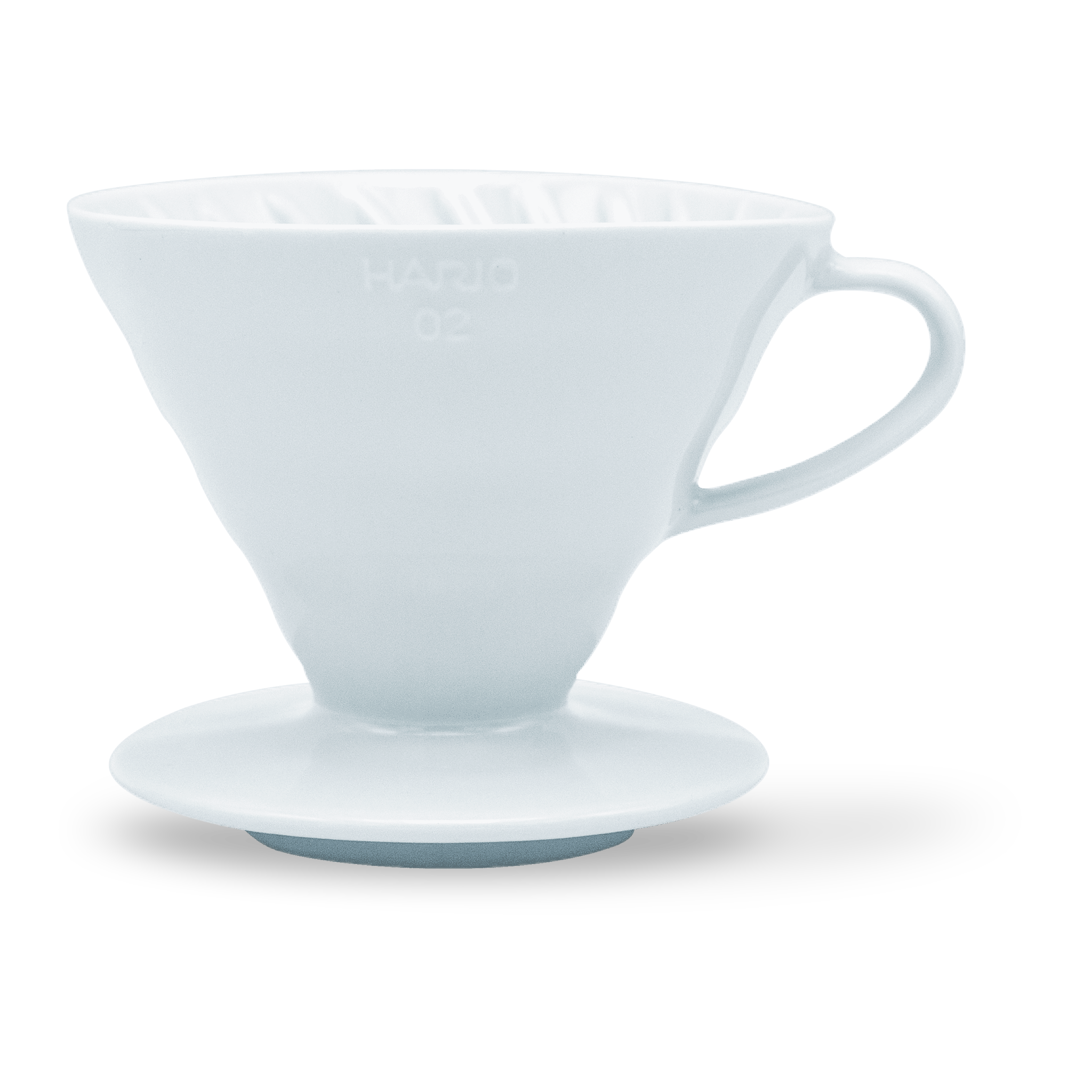
Pick the V60 if you want to learn what grind size and pouring pattern do to your coffee. Its cone-shaped paper and open flow leave plenty in your hands. A fast pour or coarse grind can send water through too quickly; change one variable at a time to find the cup you like.
Hario also sells a V60 ceramic kit with an 02 dripper, glass server, and papers, a useful option when you are assembling a gift. You still need a kettle and coffee. The kit has a simpler look than a sculptural standalone dripper.
"100 natural-brown paper filters" - Hario USA
Kalita Wave: an approachable flat-bottom option
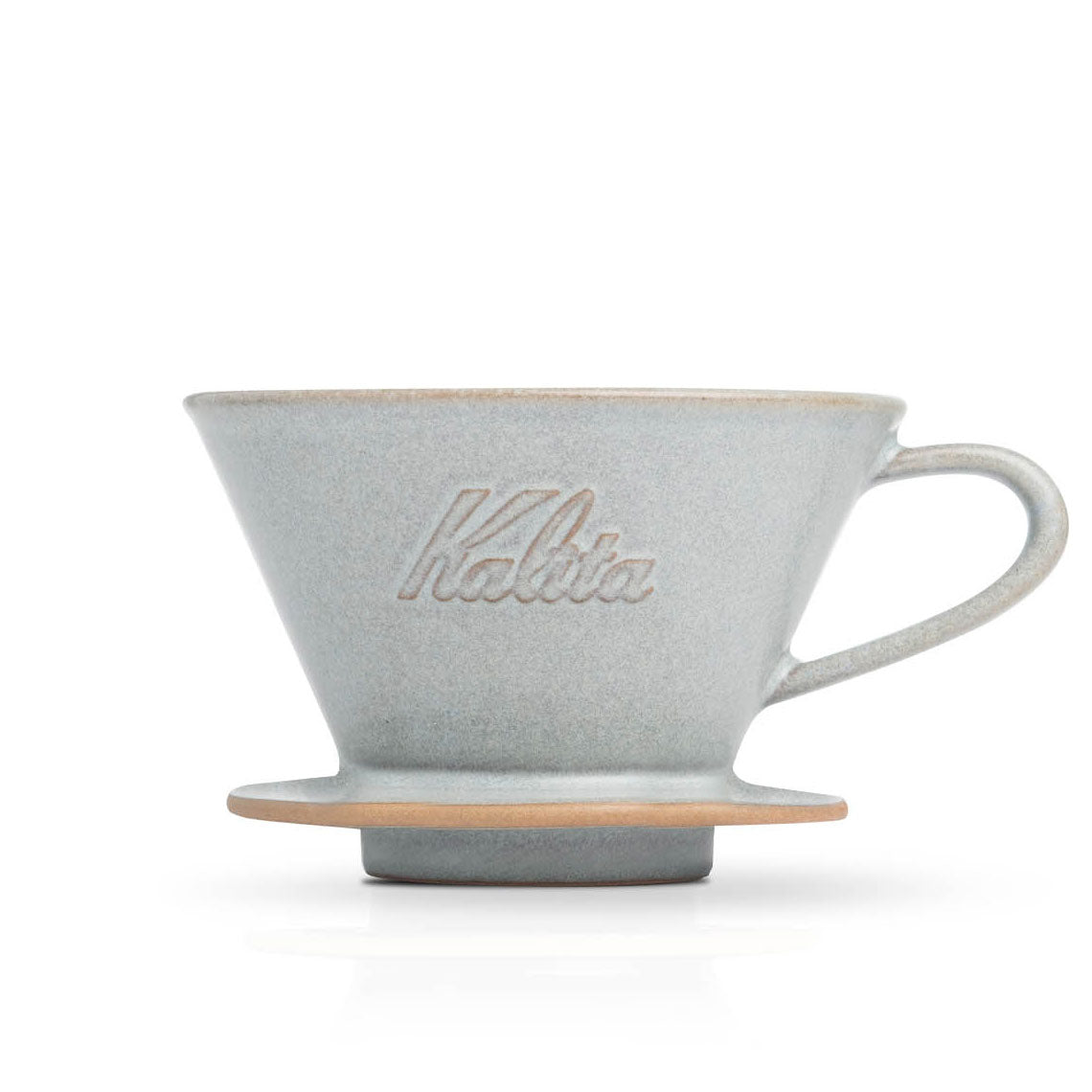
The Wave’s flatter brew bed and wave-shaped papers suit a developing pour. It also works well when several people in the house share one morning routine. Pick up Wave filters with it; spare V60 cone papers will not do the job.
The Wave comes in more than one material and size, so choose the specific version that belongs in your kitchen. Its distinctive papers are less interchangeable than a plain cone filter.
Origami ceramic: for a more expressive setup
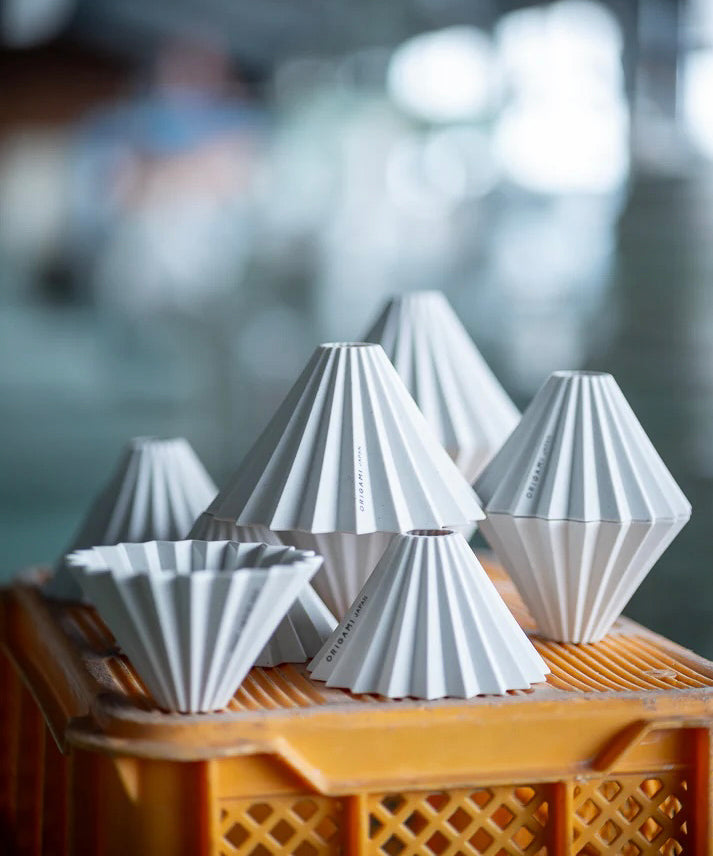
Origami’s fluted form looks at home on an open shelf. It takes cone-shaped or wave-style paper, giving you two ways to brew with one dripper. Stick with one paper and recipe for a few cups before changing both.
It makes an appealing gift for someone who owns a scale and kettle. For a first-time brewer, add a compatible filter pack and a suitable cup or server.
ZERO JAPAN ceramic: for the mug-first brewer
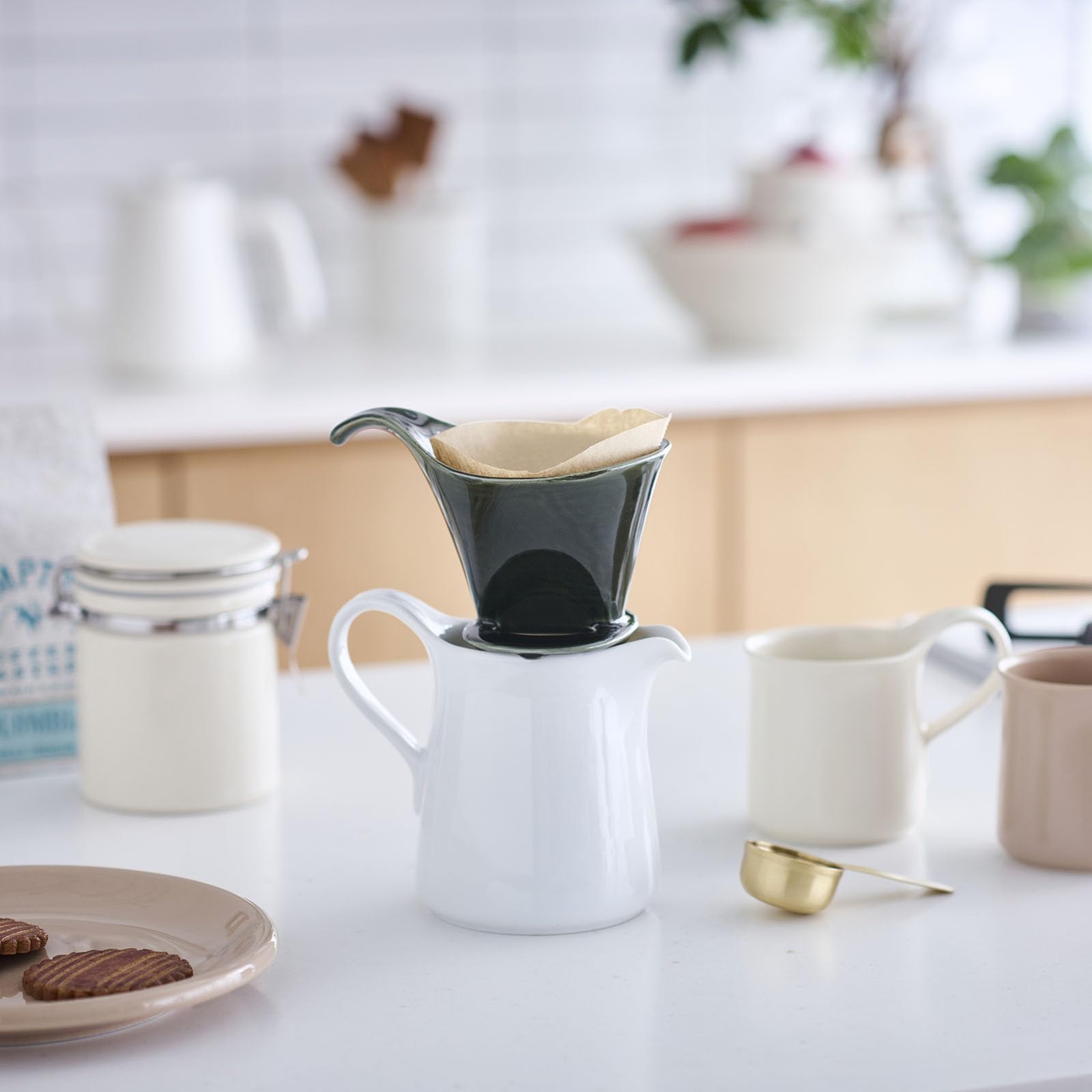
ZERO JAPAN describes its coffee dripper as a mug-top design with two drain holes. Keep it by your everyday cups if you want to brew directly into a mug. Its ceramic body has the weight and finished look many people seek in Japanese coffee equipment.
The base needs to sit securely on your mug, and the paper needs to fit. For a gift with a server and dripper in one box, choose a set instead.
Ceramic, glass, or metal: what changes in the cup and kitchen?
Material |
What it feels like to use |
Main caution |
|---|---|---|
Ceramic |
Substantial in the hand; many finishes and colors; attractive on display |
Can chip or crack if dropped; warming it before brewing helps avoid a cold start |
Glass |
Lets you see the brewer and coffee bed; pairs neatly with a glass server |
Fragile and can be hot to handle |
Metal |
Slim, durable for storage or travel; quick to rinse |
Can feel hot and may transfer heat quickly |
Shape and filter affect flow more directly than material does. Swap the paper or dripper and the same coffee can taste different. A metal V60 still brews through a cone; it will not give you the Wave’s flatter bed. Choose the geometry, then pick the material you want to handle each morning.
Build the setup around how you brew
If you are new to pour-over, start with a Wave and its matching papers for a straightforward routine. Prefer to learn on a cone? The V60 ceramic kit puts the dripper, server, and papers together. Add a scale to help repeat a cup you like.
Short on counter space? Brew from a mug-top dripper into your usual cup. You need filters and a kettle, but no separate server. Ceramic can sit with the mugs, while metal is easier to pack away or carry.
For a gift, a Japanese pour over coffee set with matching papers and a server gives the recipient the brewing pieces in one package. If they already own a scale or kettle, skip the duplicate. For someone who likes to keep their gear on display, a ceramic dripper pairs well with a kettle they would leave out.
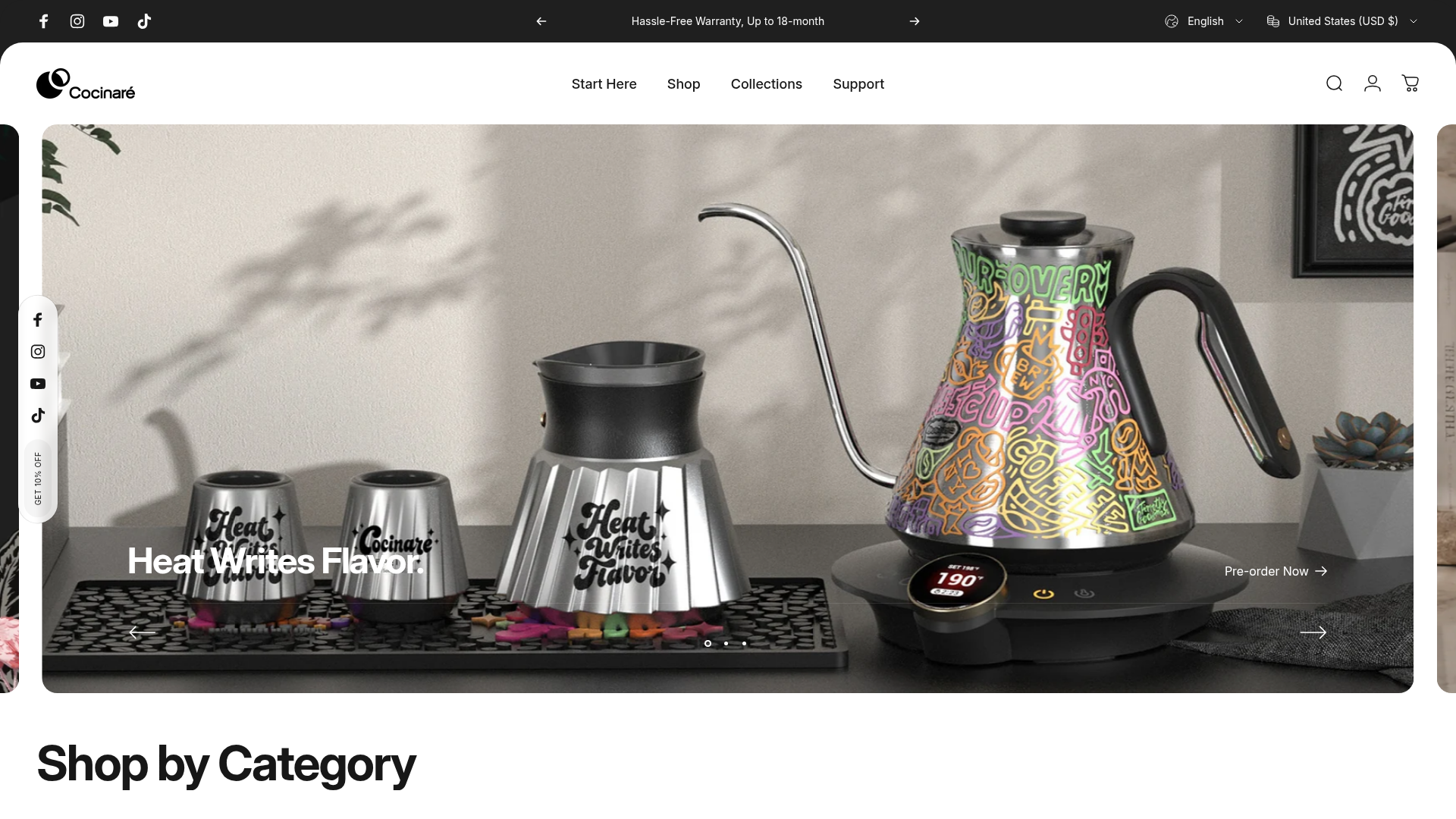
A narrow spout helps you wet the grounds evenly instead of flooding one spot. Cocinare makes gooseneck electric kettles for that controlled pour. Its Artisan, Color-changing, and Collab collections offer different looks; each still needs a dripper, filters, and ideally a scale alongside it. If you like the kettle you have, put your budget toward the brewer and papers. See Cocinare’s pour-over setup guide for the rest of the gear.
A simple starting brew
Set the dripper over a mug or server, insert the paper, and rinse it with hot water. Discard the rinse water; with ceramic, this also warms the brewer.
Add medium-fine ground coffee. Start with 15 g of coffee and 250 g of water for one cup, then change the ratio to suit your taste.
Pour enough water to wet all the grounds and pause briefly. Continue in controlled pours, keeping the bed evenly wet rather than filling the dripper to the rim.
Taste before changing the recipe. If the cup is sharp or thin, try a finer grind; if it is harsh or heavy, try a coarser grind. Keep the coffee and water amounts consistent while you adjust. Cocinare’s grind-size guide helps you make that adjustment.
A V60 often invites more attention to pour speed and grind. With a Wave, focus on keeping the filter seated and pouring evenly. For Origami, settle on one paper style first so you know which change made the next cup taste different.
The Specialty Coffee Association uses a slightly lighter coffee-to-water ratio in its home brewer certification requirements. It is a reference point, not a V60-specific rule:
"55 g of coffee per liter of water" - Specialty Coffee Association
The verdict
For a classic ceramic cone, choose the Hario V60. The Kalita Wave suits an easy-to-repeat routine, while Origami suits anyone who wants both a striking object and filter flexibility. ZERO JAPAN keeps the routine at the mug. In each case, get the matching paper and a pour you can control.
Pair your chosen dripper and papers with a Cocinare gooseneck kettle if you want controlled pouring and a kettle you are happy to leave on the counter. Its collections give you room to choose the look that fits your kitchen.


Share:
Easiest Pour Over Coffee Makers to Use
Best Pour Over Carafes for Daily Brewing