

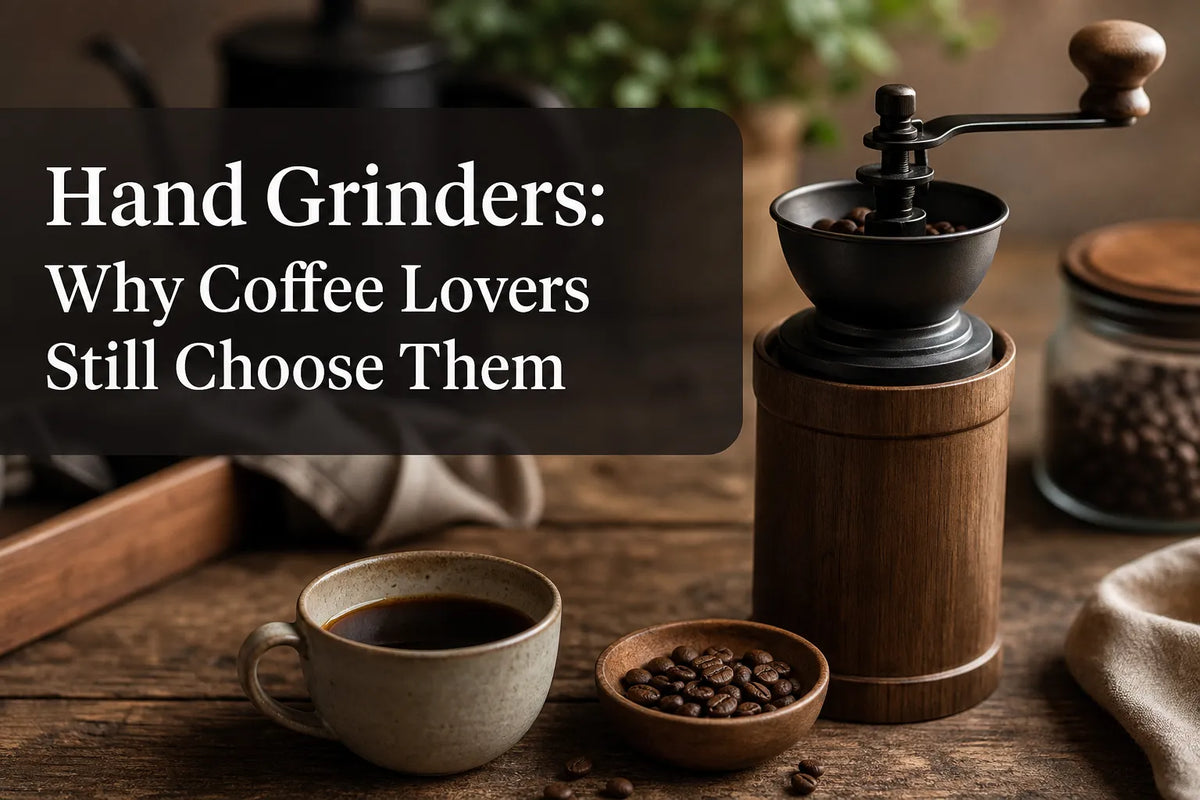
Hand Grinders: Why Coffee Lovers Still Choose Them
For all the innovation in coffee gear, hand grinders still hold their place on the counter of serious home brewers. Not because they are nostalgic curiosities, but because they offer something many coffee lovers still value deeply: control, simplicity, portability, and a more intentional brewing ritual.
If you care about how your coffee tastes, how your setup looks, and how your morning feels, a manual grinder still makes a compelling case. It can deliver impressive grind quality for the money, travel beautifully, and turn a rushed routine into a small daily craft. And when paired with precise brewing gear - especially a thoughtfully designed gooseneck kettle - the result can feel less like making coffee and more like creating a moment worth slowing down for.
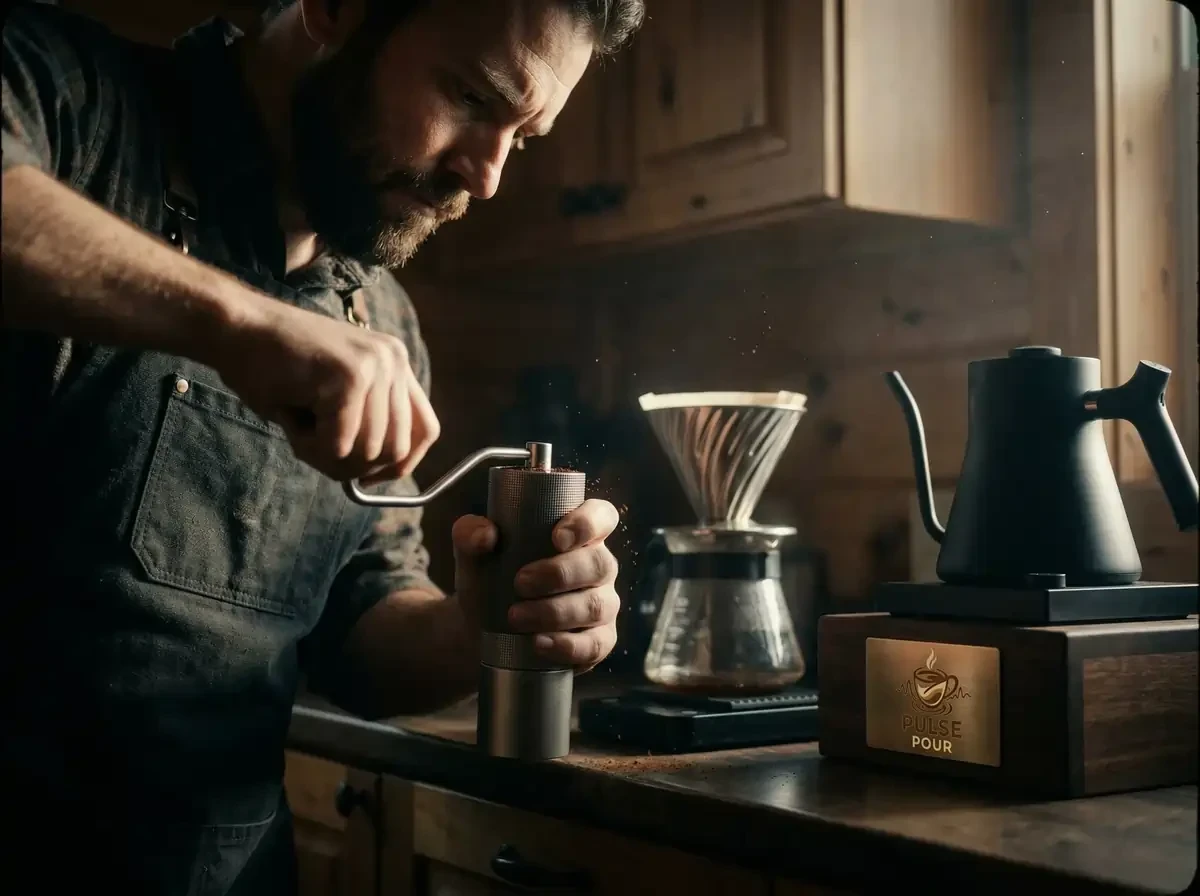
What the Best Competitor Advice Gets Right
The strongest articles on this topic tend to agree on a few core ideas:
hand grinders can offer excellent grind quality for the price
they are ideal for travel and small-space living
they are often quieter than electric grinders
they suit pour-over and single-dose brewing especially well
they appeal to people who enjoy the ritual of making coffee
All of that is true. But most articles stop there.
What they often gloss over is the bigger lifestyle reason people keep choosing manual grinders: they fit perfectly into a modern specialty coffee setup built around intention. A great hand grinder is not just a cheaper alternative to electric. It is part of a system - fresh beans, careful dosing, precision pouring, and design-led equipment - that creates a better overall experience at home.
That is where the conversation gets more interesting.
Why Coffee Lovers Still Reach for a Hand Grinder
Better value where it matters most
With a manual grinder, more of your budget can go toward burr quality, alignment, and grind consistency instead of motors, electronics, and bulky housing. That is one of the biggest reasons hand grinders remain so attractive.
For coffee lovers brewing one or two cups at a time, this value proposition is hard to ignore. A well-made manual grinder can outperform many entry-level electric grinders in cup quality, especially for pour-over, AeroPress, and other single-dose methods.
More control over the brewing ritual
A hand grinder forces you to slow down just enough to notice what you are doing. You feel the resistance of the beans. You hear the burrs working. You measure, grind, bloom, and pour with purpose.
That tactile rhythm matters more than many buying guides admit. Coffee lovers are not always optimizing for raw speed. Often, they are optimizing for experience.
A natural match for single-dose brewing
Most specialty coffee enthusiasts are grinding only what they need for each brew. Manual grinders excel here. They are inherently low-retention, easy to dose, and ideal for switching between coffees without stale grounds lingering in a chute or hopper.
Quiet enough for real life
If you make coffee before the house wakes up, noise matters. A manual grinder is never silent, but it is dramatically less intrusive than many electric grinders.
Travel-ready by design
Hand grinders are still the easiest way to bring genuinely good coffee on the road. Whether you are packing an AeroPress, a compact dripper, or a small scale, a manual grinder keeps your setup capable without demanding much space.
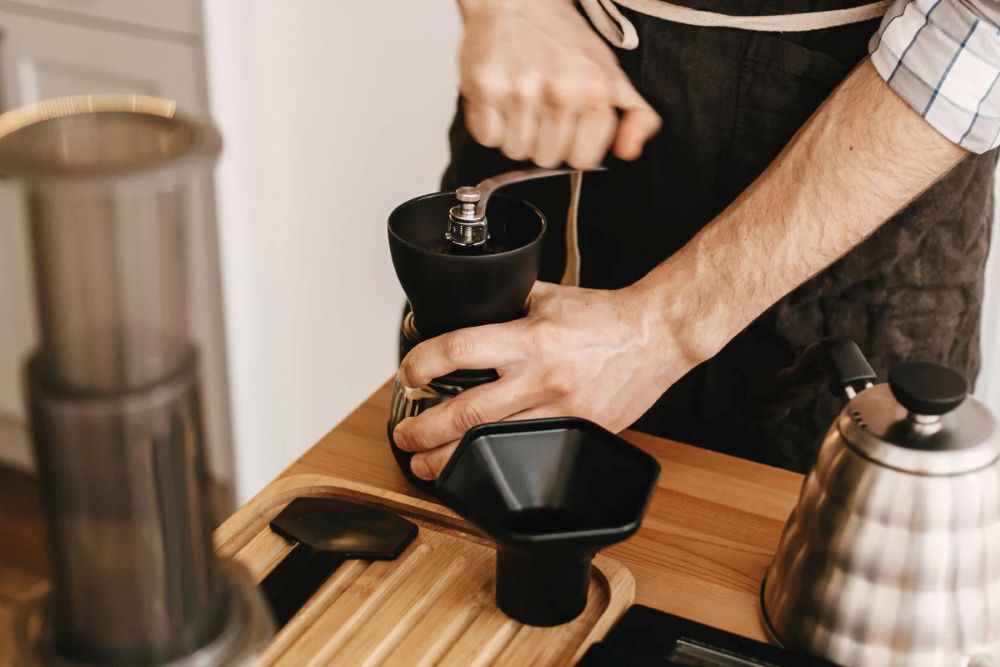
The Real Advantages of Hand Grinders
1. Impressive grind quality for the price
This is the practical reason manual grinders continue to win fans. Because there is no motor to pay for, brands can invest more in burr design and internal stability. That often means cleaner, more consistent grounds than comparably priced electric options.
For pour-over coffee lovers, that consistency translates into more balanced extraction, better sweetness, and clearer flavor separation in the cup.
2. They encourage fresher coffee habits
Coffee tastes better when it is ground just before brewing. That part is simple. But hand grinders make fresh grinding feel easy to integrate into a daily ritual rather than a loud mechanical step you tolerate.
3. They are ideal for pour-over lovers
Hand grinders and pour-over brewing belong together. Both reward attention to detail. Both are built around small, repeatable variables. And both tend to attract people who care about flavor nuance.
A quality manual grinder paired with a precision gooseneck kettle gives you much more authority over extraction than pre-ground coffee ever can.
4. They look better in a design-forward kitchen
This is not superficial. For many consumers, countertop gear is part of the home environment. A sleek hand grinder, a sculptural dripper, and a premium electric kettle can make a brewing station feel deliberate and elevated.
That is also why design-conscious coffee lovers gravitate toward brands like Cocinare. Performance matters, but so does the feeling the object brings into your space. Cocinare’s kettles are built around that same philosophy: precision pouring for better pour-over coffee, premium and durable craftsmanship, and a modern aesthetic that feels at home in a curated kitchen.
5. They are easier to own long term
Fewer electrical parts usually means fewer failure points. A good hand grinder can stay in service for years with minimal maintenance.
Where Competitor Articles Leave Gaps
Many top-ranking articles mention affordability, portability, and nostalgia. Fewer talk about these important realities:
Hand grinders are not always the “cheap” option
Some premium models cost as much as serious electric grinders. The smarter argument is not that they are always inexpensive, but that they often deliver better value in the sub-premium range.
They are not ideal for everyone
If you brew large batches every morning or need multiple espresso shots back-to-back, hand grinding can become tiring fast.
The rest of your setup matters
A grinder alone will not transform your coffee. Water temperature, pouring control, and brew consistency matter just as much. That is why a premium kettle is not a side accessory - it is a core piece of the system.
Aesthetics influence use
People are more likely to use equipment they love seeing and touching every day. Beautiful gear gets used. Clunky gear gets hidden.
Hand Grinder vs Electric Grinder: Which One Fits Your Life?
Factor |
Hand Grinder |
Electric Grinder |
|---|---|---|
Upfront value |
Often excellent for grind quality |
Better if speed is the top priority |
Noise |
Quiet |
Usually louder |
Portability |
Excellent |
Poor to moderate |
Counter footprint |
Small |
Larger |
Batch size |
Best for 1–2 cups |
Better for larger volumes |
Ritual and tactile experience |
High |
Lower |
Espresso convenience |
Possible, but labor-intensive |
Much easier |
Design flexibility |
Often compact and elegant |
Wider style range, but bulkier |
Who Should Absolutely Consider a Hand Grinder
A manual grinder makes a lot of sense if you are:
brewing pour-over, AeroPress, or one-cup filter coffee
short on counter space
traveling frequently
upgrading from pre-ground coffee
sensitive to noise
drawn to intentional, ritual-led brewing
building a beautiful home coffee corner
It is especially compelling if your coffee habits are less about volume and more about quality.
Who Might Prefer Electric Instead
You may be happier with an electric grinder if you:
make coffee for several people every morning
pull multiple espresso shots daily
have wrist or grip limitations
want pure convenience above all else
switch often between very fine and very coarse settings at speed
That does not make hand grinders worse. It just means the best tool depends on the rhythm of your life.
Why Hand Grinders Feel So Right in Specialty Coffee Culture
There is a reason specialty coffee creators, home brewers, and design-led coffee accounts still feature manual grinders so often. They communicate care.
A hand grinder says the brewer values process. Pair it with a scale, fresh beans, and a precision kettle, and you have a setup that turns technique into pleasure.
That is also why Cocinare fits naturally into this world. If a hand grinder is about control before the grounds hit the brewer, a Cocinare kettle is about control once water enters the equation. Precision pouring helps unlock more even extraction, especially in pour-over. And unlike purely utilitarian appliances, Cocinare brings a premium, style-forward presence to the counter - whether your taste leans minimalist, expressive, or art-led through limited-edition collaborations.
The Ritual Advantage: Why This Matters More Than It Sounds
Most competitor content mentions ritual as a side note. In reality, it is central to the appeal.
A better coffee ritual can:
make mornings feel calmer
increase consistency because you repeat the same steps
help you notice changes in beans and brew settings
make home brewing feel rewarding rather than transactional
For many coffee lovers, this is the whole point. Coffee is not just caffeine delivery. It is a daily act of taste, craft, and atmosphere.
Building a Better Manual Brewing Setup
A strong hand-grinder setup usually includes:
A grinder that matches your brew style
If you mostly brew pour-over, look for clarity, consistency, and easy adjustment. If you occasionally make espresso, make sure the grinder can handle finer settings without becoming frustrating.
A precision kettle
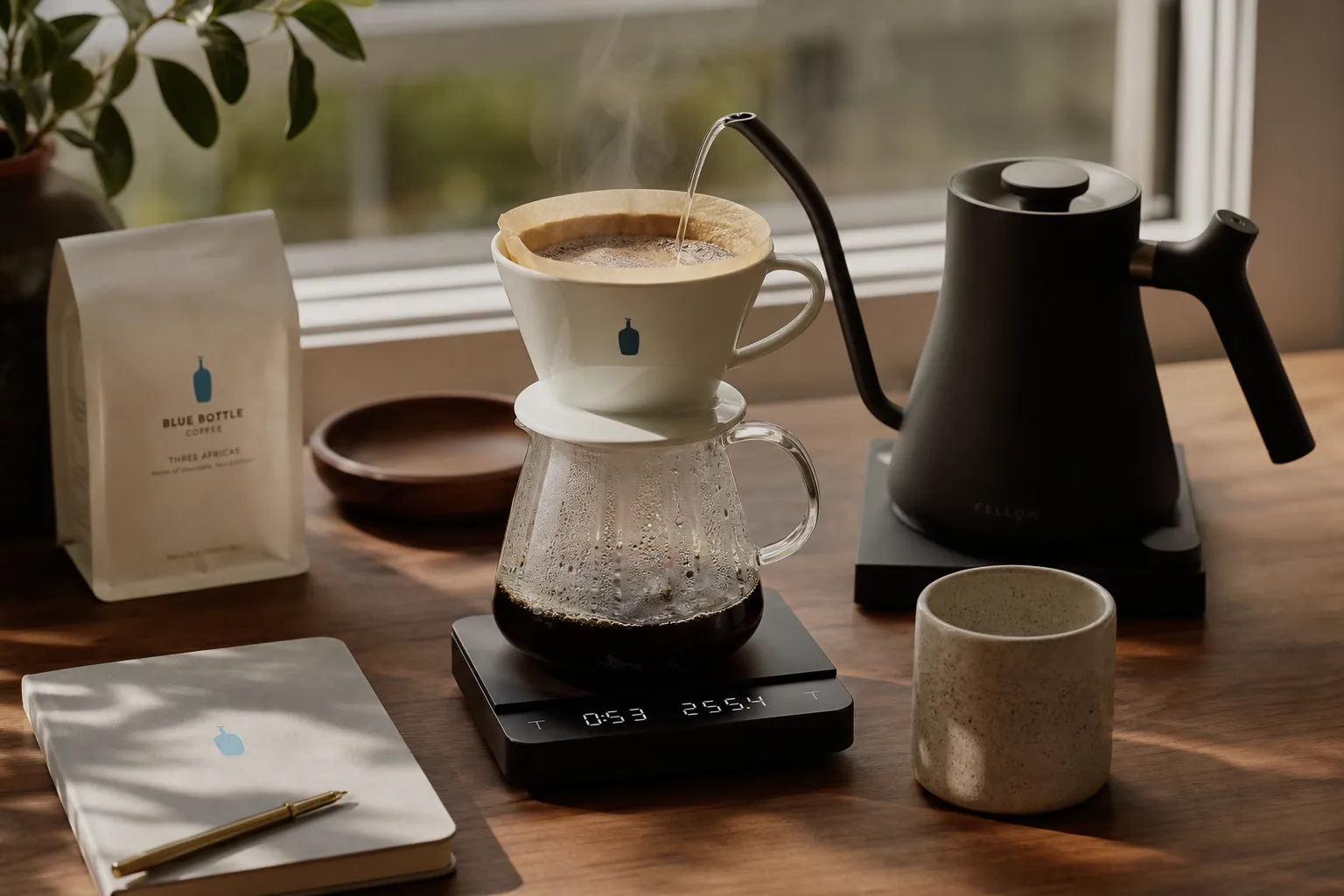
This is where Cocinare becomes especially relevant. Precise pouring is one of the biggest unlocks for better pour-over coffee. A controlled spout helps manage bloom, flow rate, agitation, and bed saturation.
Cocinare’s premium electric kettles are made for this exact part of the ritual - delivering barista-style functionality in a refined, durable form. The brand’s multiple collections let you choose a look that suits your kitchen and personality, whether you want understated modernism, expressive color, or collectible artist collaborations.
A scale and good beans
No grinder can compensate for stale coffee or guesswork dosing.
A setup you actually want to use
This matters. Beautiful, well-made tools invite consistency. Cocinare’s modern, design-forward approach turns brewing gear into lifestyle objects without sacrificing performance.
What to Look for in a Great Hand Grinder
Burr quality
Steel burrs are generally faster and more consistent than ceramic. This is one of the clearest performance upgrades.
Stable alignment
A grinder with poor stabilization creates more uneven particles and less predictable cups.
Comfortable ergonomics
Body diameter, grip texture, and handle shape all affect usability.
Easy grind adjustment
External adjustment systems are more convenient, especially if you move between brew methods.
Capacity
If you only brew one cup, smaller capacity is fine. If you regularly brew for two or more, check the hopper size.
Build quality
A premium feel matters in daily use. So does durability.
Common Myths About Hand Grinders
“They are only for beginners or budget shoppers”
Not true. Some of the most respected grinders in specialty coffee are manual.
“They always make better coffee than electric grinders”
Also not true. Excellent electric grinders can be superb. The better claim is that hand grinders often offer outstanding grind quality for the money.
“They are just about nostalgia”
Modern hand grinders are highly engineered tools. Their appeal is as much about performance and usability as it is about romance.
“They are too slow to be practical”
That depends on your brew size. For one or two cups, many hand grinders are perfectly manageable.
Final Verdict: Why Coffee Lovers Still Choose Hand Grinders
Coffee lovers still choose hand grinders because they deliver more than a grind. They deliver agency.
They let you shape the brew from the first mechanical turn. They offer strong value, real portability, quiet performance, and a satisfying connection to the process. For pour-over enthusiasts especially, they remain one of the smartest and most enjoyable ways to improve coffee at home.
And if you want to make the most of that manual ritual, pair your grinder with gear that brings the same level of intention to the water. That is exactly where Cocinare stands out: precision pouring for better extraction, premium craftsmanship built to last, distinctive modern aesthetics, and collections that feel personal rather than generic. Add free U.S. shipping, up to an 18-month hassle-free warranty, and a 30-day money-back guarantee, and it becomes much easier to build a coffee setup that performs beautifully and looks the part.
If the goal is not just better coffee, but a better home brewing experience, hand grinders still make perfect sense. And with the right kettle beside them, they make even more.
FAQ
Are hand grinders better for coffee?
They can be better for certain coffee drinkers, especially people brewing pour-over or single cups who want strong grind quality for the price. They are not automatically better than all electric grinders, but they often offer excellent consistency, low retention, and a more intentional brewing ritual.
Who makes the best hand coffee grinder?
There is no single best brand for everyone, because the right choice depends on your brew style, budget, and preference for clarity or body. Well-regarded makers typically stand out for burr quality, alignment, ergonomics, and adjustment precision.
Why did grocery stores get rid of coffee grinders?
Many stores reduced in-store grinders because of maintenance, cleanliness, space, and operational costs. Consumer habits also changed as more people bought pre-ground coffee or invested in home grinders for fresher, more controlled brewing.
Why is Costco getting rid of their coffee grinders?
Retailers like Costco may remove grinders for similar reasons: hygiene concerns, upkeep, lower usage, and changing customer behavior. More shoppers now prefer whole beans for home grinding or convenient pre-ground options.
What is considered the best coffee grinder?
The best coffee grinder is the one that fits your brewing habits while delivering consistent particles, easy workflow, and durable construction. For many home brewers, that means a high-quality hand grinder for pour-over or a strong electric grinder for speed and espresso convenience.
Share:
Best Burr Grinder for Espresso: Flat vs Conical
V60 Equipment: What You Need for Better Brews