

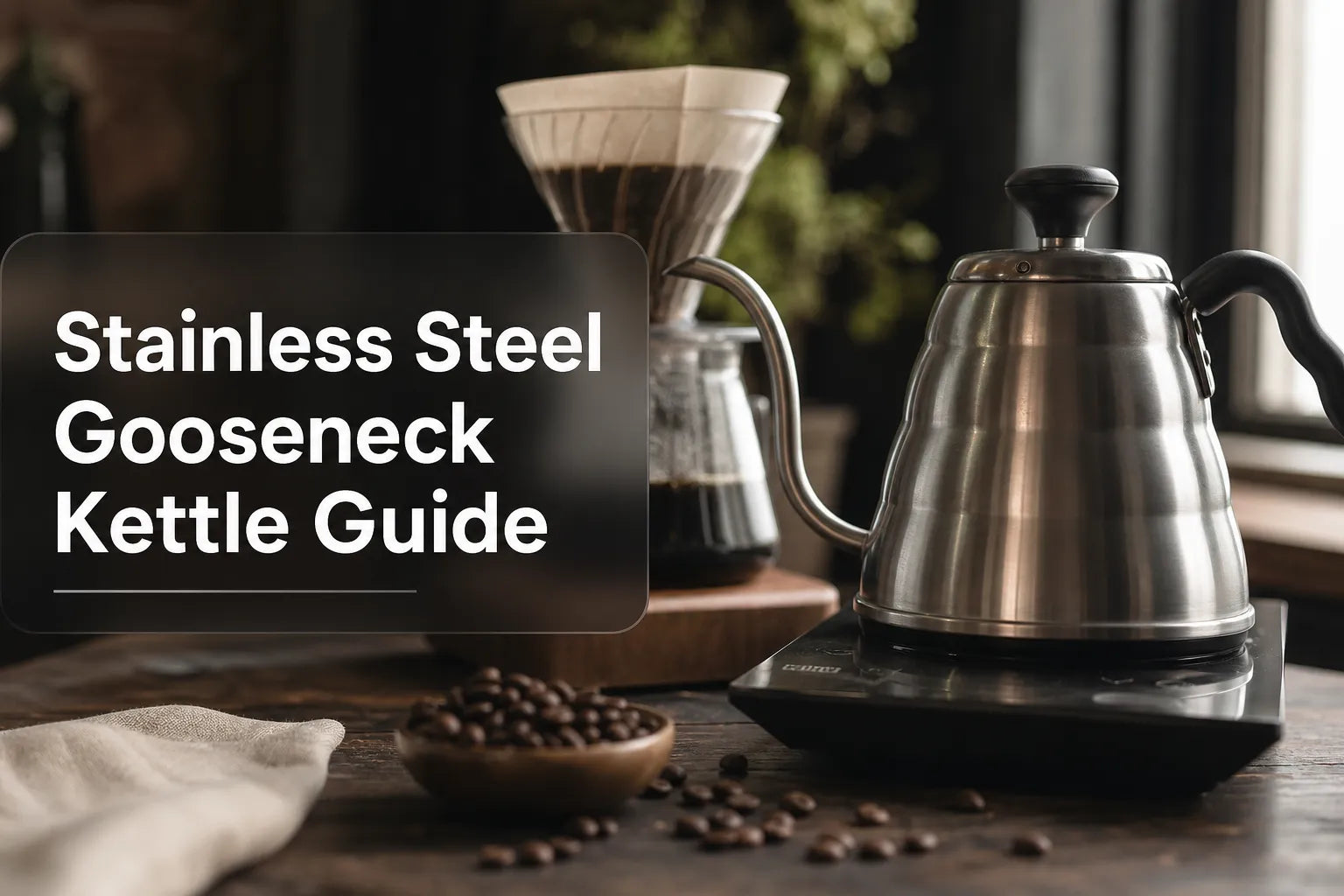
Stainless Steel Gooseneck Kettle Guide
If you care about pour-over coffee, your kettle is not a sidekick. It is the tool that controls flow, pace, contact time, and ultimately flavor. A good stainless steel gooseneck kettle helps you pour with intention, hit the right brewing temperature, and turn an ordinary morning into a ritual that actually feels worth slowing down for.
For home brewers, tea drinkers, and design-minded coffee lovers, the challenge is that many kettles look similar at first glance. But in daily use, the differences show up fast: awkward balance, sloppy spouts, inconsistent temperature control, hot handles, difficult cleaning, and finishes that do not age well.
This guide is built to help you choose confidently - whether you are comparing a stovetop model with a stainless steel gooseneck electric kettle, or simply trying to find the right balance of precision, aesthetics, and durability.
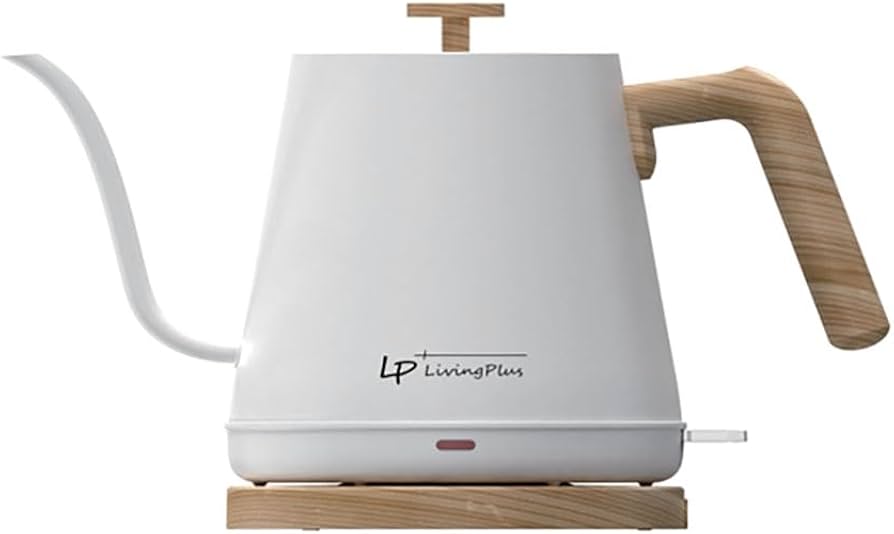
Why a Gooseneck Kettle Matters More Than Most People Think
A standard kettle can boil water. A gooseneck kettle helps you brew better coffee.
The difference is control. With a narrow, curved spout, you can direct water exactly where you want it, at the speed you want. That matters because pour-over brewing depends on even saturation. If you dump water too aggressively, you disturb the bed, channel the grounds, and create uneven extraction. If you pour too timidly or inconsistently, you can stall the brew and flatten sweetness.
A well-designed stainless steel gooseneck kettle improves:
pour precision
extraction consistency
temperature management
comfort during longer brew routines
visual harmony in your coffee setup
It is one of the few pieces of coffee equipment that affects both performance and the mood of the experience.
"Brewed coffee is approximately 98.5% water by weight, with the remaining 1.5% consisting of dissolved coffee solubles - the compounds that create flavor." - BrewFYI
That alone explains why water handling matters so much.
What Competitor Guides Usually Get Right - and What They Miss
Most ranking guides tend to agree on a few essentials:
precision pouring is the core reason to buy a gooseneck kettle
electric models are better for temperature control
stainless steel is preferred for durability and cleanliness
balance, handle comfort, and keep-warm features matter in real use
All of that is true. But many articles stop at generic buying advice and skip what actually shapes ownership over time.
The Biggest Content Gaps Buyers Need to Know
Here is what often gets glossed over:
Internal material matters as much as exterior finish
Some kettles advertise stainless steel outside but use mixed interior materials, coatings, or plastic contact points. For coffee and tea purists, that matters. You want confidence that the material touching hot water is durable, food-safe, and neutral.
Spout geometry affects brewing style
Not all gooseneck spouts behave the same. Some are optimized for a slow, highly restricted stream. Others allow a little more flow flexibility. That changes how suitable the kettle is for V60, Kalita, Chemex, French press filling, or tea service.
User experience is more than boiling speed
A kettle can boil quickly and still be annoying to live with if the lid drips, the handle angle strains your wrist, or the controls feel clumsy every morning.
Design is not superficial
For specialty coffee lovers, gear lives on the counter. The best kettles are not only accurate - they are objects you enjoy reaching for. That emotional pull is part of what keeps people engaged in home brewing.
This is where Cocinare has a particularly strong point of view: a kettle should perform like a serious brewing tool, but also feel beautifully integrated into your lifestyle. Precision and aesthetics are not opposing ideas. They belong together.
Stovetop vs. Electric: Which One Should You Choose?
This is the first real decision.
Stovetop Stainless Steel Gooseneck Kettle
A stovetop kettle is simpler, often less expensive, and can feel timeless. It is a good fit if you:
want a lower-cost entry point
already use a thermometer or know your cooling timing well
prefer a minimalist, non-electronic setup
mostly brew casually rather than chasing exact repeatability
Pros:
no power base or electronics
often lighter and easier to store
works well for coffee and tea
can be visually classic and giftable
Cons:
no precise built-in temperature control
slower workflow for back-to-back brews
less repeatable for delicate coffees or teas
easier to overshoot target temperature
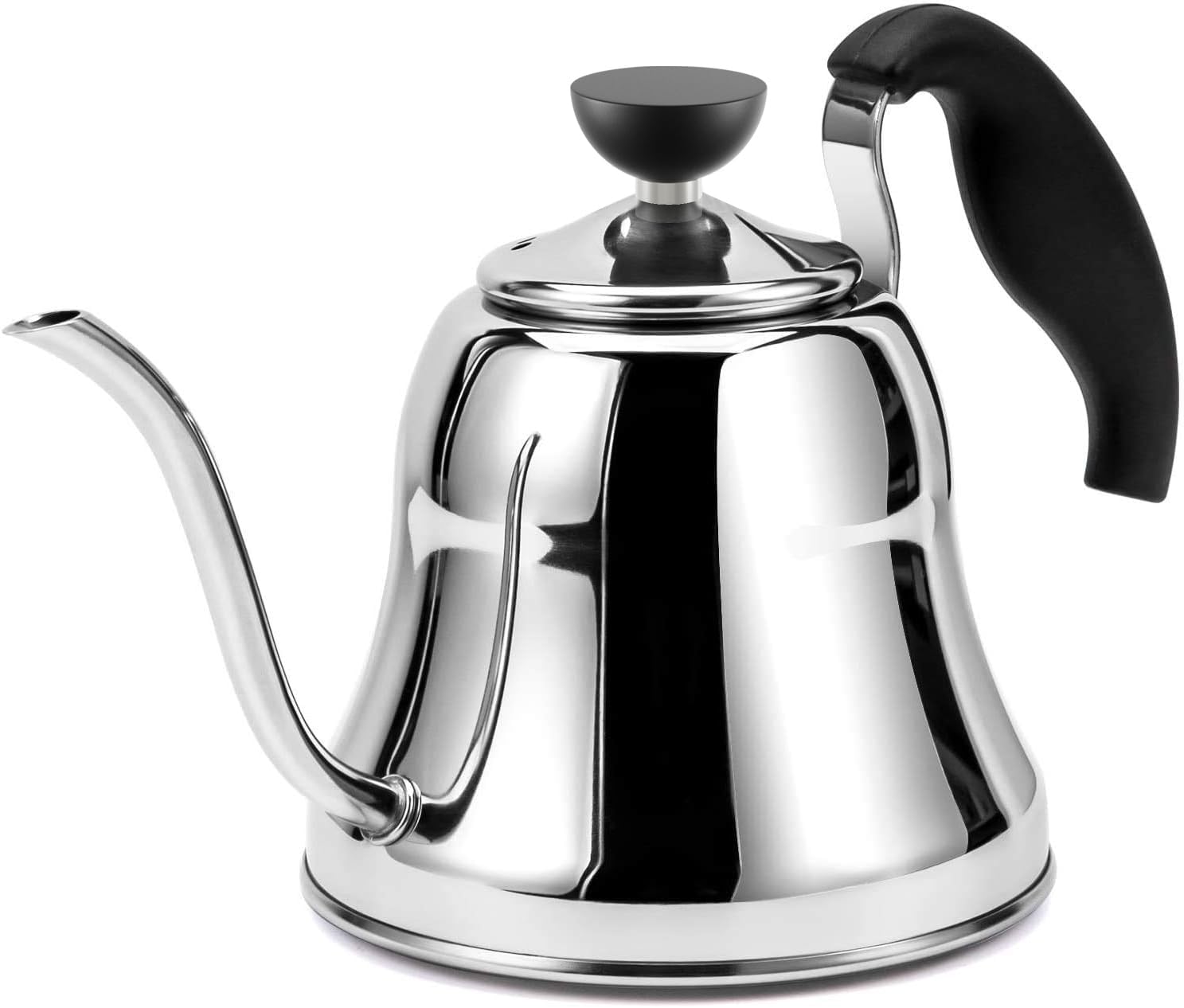
Stainless Steel Gooseneck Electric Kettle
An electric kettle is the better choice for most serious home brewers. It reduces friction, improves repeatability, and makes it easier to brew intentionally every day.
Pros:
precise temperature selection
fast heating
keep-warm functionality
easier experimentation with different coffees and teas
streamlined daily ritual
Cons:
higher initial price
requires counter space for base
electronics add complexity
If you brew pour-over regularly, an electric model is usually the smarter long-term investment. That is especially true if you enjoy light roasts, single-origin coffees, or teas that reward exact temperature control.
Why Stainless Steel Is the Preferred Material
A stainless steel gooseneck kettle remains the gold standard for a reason. It offers the right blend of heat resistance, durability, cleanability, and neutral performance.
The Benefits of Stainless Steel
1. Durability
Stainless steel handles repeated heating and daily use better than fragile alternatives. It resists dents, corrosion, and the general wear of countertop life more gracefully than cheaper finishes.
2. Flavor neutrality
When made well, stainless steel preserves the clean taste of water without adding off-notes.
3. Easier maintenance
It is far easier to descale, rinse, and keep fresh-looking than many coated or lower-quality materials.
4. Premium feel
Weight, texture, and finish all contribute to the sense of quality. A kettle should feel stable, not flimsy.
"The Specialty Coffee Association recommends brewing temperatures between 90°C and 96°C (194°F to 205°F)." - Specialty Coffee Association reference cited via Tower of Records
That range is another reason stainless steel pairs so well with precision-oriented electric kettles: it supports consistent heating and a more serious brewing workflow.
The Most Important Features to Evaluate Before Buying
Not every beautiful kettle is a great brewing kettle. Here is what actually matters.
Pour Control
This is non-negotiable. Look for:
a narrow, stable stream
minimal sputtering
controlled flow at both low and moderate angles
good balance when full and when nearly empty
A premium spout should help you move between bloom pours, center pours, and spiral pours without feeling like you are fighting the kettle.
Temperature Accuracy
For electric models, temperature control should be meaningfully precise, not just decorative. You want:
reliable heating to your selected temperature
minimal overshoot
easy adjustment
a clear display or intuitive interface
This matters most if you brew different roast levels or switch between coffee and tea.
Keep-Warm Function
This is underrated. A good keep-warm mode is valuable if you:
brew multiple cups
share coffee with someone else
want time between bloom and final pour prep
enjoy tea sessions rather than single quick brews
Handle Ergonomics
Handle shape changes everything. A good handle should feel:
secure
natural in the wrist
balanced against the kettle body
comfortable through the full pour arc
If the handle is too thin, too vertical, or poorly counterweighted, precise pouring becomes tiring fast.
Capacity
For most people, 0.8L to 1.0L is the sweet spot. That is enough for one to three cups without making the kettle bulky.
Lid Design
Look for a lid that:
lifts off easily
stays stable while pouring
does not rattle
minimizes dripping or steam risk
Interior Construction
Ideally, the water-contact surfaces should be stainless steel. This is one of the best signals of thoughtful build quality.
Electric Kettle Features That Are Actually Worth Paying For
Not every premium feature is marketing fluff. Some genuinely improve the brewing experience.
Useful Features
Feature |
Why It Matters |
|---|---|
Variable temperature control |
Lets you tailor water to roast level or tea type |
Keep-warm mode |
Makes multi-cup brewing easier |
Brew timer |
Helpful for repeatable pour-over routines |
Real-time temperature display |
Improves control and workflow |
Balanced handle design |
Makes precision pouring more comfortable |
Fast heating |
Reduces waiting without sacrificing routine |
Less Important Features
Feature |
Why It May Matter Less |
|---|---|
Excessive presets |
Often less useful than direct degree selection |
App connectivity |
Nice in theory, often unnecessary in practice |
Overly complex interfaces |
Can make daily use feel less intuitive |
The best electric kettle feels refined, not overengineered.
How Stovetop and Electric Models Compare in Real Use
Category |
Stovetop |
Electric |
|---|---|---|
Temperature precision |
Low to moderate |
High |
Workflow speed |
Moderate |
Fast |
Ease of repeatability |
Lower |
Higher |
Visual simplicity |
Excellent |
Excellent to very good |
Best for beginners |
Good |
Very good |
Best for enthusiasts |
Good |
Excellent |
Best for tea variety |
Moderate |
Excellent |
Countertop presence |
Classic |
Modern, premium |
For many buyers, the answer is simple: if you care deeply about precision and brew often, choose electric. If you want beauty, simplicity, and a lower barrier to entry, stovetop still has charm.
Cleaning and Maintenance: What Keeps a Kettle Looking Premium
A kettle can start beautiful and end looking neglected if you ignore maintenance.
Basic Cleaning Routine
After each use:
empty leftover water
leave the lid open briefly so the interior can dry
wipe exterior splashes if needed
Weekly or as needed:
rinse interior
check for mineral spotting
wipe the base and handle area
Descaling
If you use hard water, scale buildup is inevitable. Descale regularly with:
diluted white vinegar
or a citric acid solution
Then rinse thoroughly and boil fresh water once or twice before brewing again.
What to Avoid
abrasive scrubbers
harsh chemicals
leaving water sitting in the kettle for long periods
putting non-dishwasher-safe electric components in water
A well-made stainless steel kettle rewards simple care.
The Aesthetic Factor: Why Design Belongs in the Buying Decision
Coffee gear has become part of how people shape their homes. And honestly, that is not shallow - it is practical. The items you love seeing are the ones you use more often and more intentionally.
A premium kettle should look at home in:
a minimalist kitchen
a warm wood-and-ceramic coffee corner
a modern apartment setup
a content-creator brew bar
a gift-worthy unboxing moment
This is where Cocinare stands out. The brand does not treat the kettle as a purely technical object. It is designed as part of the ritual - something expressive, modern, and collectible, while still being rooted in barista-style function.
From clean, elevated silhouettes to more expressive artistic releases, Cocinare’s collections make it easier to choose a kettle that fits not only your brew method, but your taste.
What Design-Conscious Buyers Should Look For
If aesthetics matter to you, evaluate these details:
Finish quality
A premium finish should feel intentional, smooth, and durable - not cheap or overly glossy.
Form consistency
The base, body, handle, and spout should look like one coherent design language.
Color and collection choices
A brand with multiple design directions gives you more freedom to match your home and personality.
Giftability
If you are shopping for a coffee lover, presentation matters. Beautiful design increases perceived value before the first brew even happens.
Cocinare’s Artisan Collection, Color-changing Collection, and limited-edition collaborations speak directly to this kind of buyer. You are not just choosing a tool. You are choosing how your brewing ritual feels.
How to Match the Right Kettle to Your Brewing Style
For the pour-over purist
Choose an electric kettle with highly controlled flow and accurate temperature selection.
For the casual coffee-and-tea household
Choose a forgiving, easy-to-use kettle with enough capacity for two or three servings.
For the style-led home setup
Choose a kettle with a premium silhouette and finish that complements your space.
For the gift shopper
Choose a model that combines performance, visual impact, and easy daily usability.
For the social-media-inspired home barista
Choose a kettle that is photogenic, expressive, and functionally serious enough to back up the look.
A Smarter Way to Evaluate Value
Price matters, but value is not the same as low cost.
A kettle is worth more when it delivers:
better pours
more repeatable results
stronger build quality
long-term aesthetic satisfaction
easier daily use
warranty protection and buyer confidence
That is why serious buyers often move beyond bare-minimum budget picks. If you use a kettle every day, the value comes from how it performs over hundreds of mornings.
Cocinare strengthens that value equation with:
free shipping in the U.S.
up to an 18-month hassle-free warranty
a 30-day money-back guarantee
Those details reduce risk and make a premium kettle purchase feel far more comfortable.
Final Verdict: What the Best Stainless Steel Gooseneck Kettle Should Deliver
The best kettle is not simply the one that boils water. It is the one that helps you brew with control, fits naturally into your routine, and feels beautiful enough to keep on display.
A great stainless steel gooseneck kettle should offer:
precise, predictable pouring
durable food-contact materials
thoughtful ergonomics
easy maintenance
strong visual design
temperature control that supports better coffee and tea
If you want timeless simplicity, a stovetop model can absolutely work. But if you want a more elevated and repeatable brewing experience, a stainless steel gooseneck electric kettle is the better choice for most home brewers.
And if you want that performance wrapped in premium design, expressive collections, and a coffee ritual that feels as good as it tastes, Cocinare is an easy brand to shortlist. Its kettles are built for people who care about precision, but also about atmosphere, craft, and the quiet pleasure of using something genuinely well-designed.
For anyone ready to upgrade their brewing ritual, Cocinare offers the rare mix that matters most: barista-minded control, modern beauty, durable construction, and customer-friendly peace of mind.
Share:
Premium Drip Coffee Maker: Best Picks for Home
Temperature Controlled Kettle Benefits in 2026